Right to Repair in Canada: What It Changes for Mechanics and Independent Shops
TL;DR: Canada’s right to repair movement is changing how automotive technicians and independent shops access diagnostic data, software, and repair information. While access has improved, important limits remain around security and proprietary systems. For future technicians, software literacy and diagnostic skills are becoming essential career requirements.
Canada’s right to repair for auto technicians has become a defining issue as vehicles grow more software-driven, connected, and electronically complex. Modern vehicles rely on advanced electronics, proprietary software, and encrypted communication systems to manage everything from engine performance to safety features. As a result, access to accurate diagnostic information has become just as important as mechanical skill in today’s repair environment.
In the past, dealerships often held exclusive access to diagnostic tools, repair procedures, and manufacturer software, limiting what independent shops could service. This created an uneven playing field, where even experienced technicians were restricted by information barriers rather than skill level.
Recent regulatory pressure and industry agreements are shifting that balance. For technicians, this isn’t just a policy discussion; it directly affects how repairs are diagnosed, what tools are required, and which skills employers now expect on the shop floor. As access expands, so does the responsibility to diagnose accurately, work safely, and stay current with evolving systems.
What Does “Right to Repair” Mean in Canada for Vehicle Owners and Technicians?
Right to repair in Canada refers to efforts that give vehicle owners and independent repairers broader access to diagnostic data, service information, and repair tools that were previously limited to dealerships. The goal is to promote competition, reduce repair monopolies, and give consumers more choice in where and how their vehicles are serviced.
For technicians, expanded access to vehicle diagnostics Canada-wide means a greater opportunity to work on newer vehicles across multiple brands. At the same time, it raises the bar for technical competence. With more data available, technicians must understand how to interpret fault codes, software alerts, and system interactions accurately, rather than relying on part replacement alone.
Can Independent Shops Access More Diagnostic Tools and Information Now?
In many cases, yes. Independent repair shops’ access to diagnostics in Canada has improved through voluntary manufacturer agreements, third-party scan tools, and subscription-based service portals. As you’ll discover in automotive school, many OEMs now offer paid access to repair manuals, software updates, and calibration procedures.
However, access does not always mean simplicity. Information is often fragmented across multiple platforms, requires recurring fees, and changes frequently as vehicle technology evolves. Technicians must also learn to navigate different diagnostic ecosystems depending on the manufacturer. Shops that invest in technician education and up-to-date equipment are far better positioned to benefit from right-to-repair changes than those relying on outdated processes.

Does Right to Repair Affect Dealerships and Independent Shops Differently?
Dealerships still maintain advantages through proprietary tools, direct manufacturer support, and early access to technical updates. However, right to repair reduces exclusivity by allowing independent shops to compete more effectively, especially when staffed with highly skilled technicians.
This shift rewards technicians who are adaptable, brand-agnostic, and confident using multiple diagnostic platforms. In today’s market, versatility is becoming just as valuable as specialization.
Employers increasingly look for technicians who can move seamlessly between mechanical repairs, electrical diagnostics, and software-based procedures.
What Limits Still Exist Around Software, Security, or Locked Systems?
Despite progress, significant limitations remain. Encrypted telematics systems, cybersecurity protections, and OEM-controlled software updates can still restrict full access to certain vehicle functions. Some repairs, particularly those tied to safety-critical systems or anti-theft protections, may require manufacturer authorization.
As vehicles become more connected, technicians must balance diagnostic access with compliance, cybersecurity awareness, and safety standards. Right to repair expands opportunity, but it does not eliminate complexity. Understanding where access ends is just as important as knowing how to use the information that is available.
How Should Students Prepare for a More Software-Driven Repair Industry?
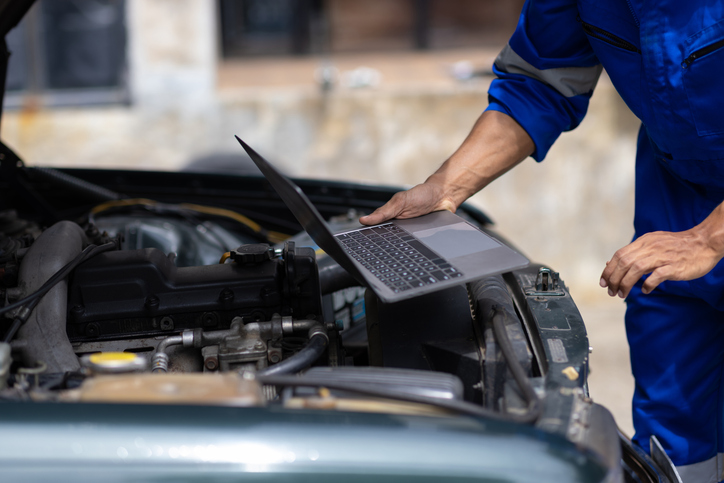
Students entering an auto mechanic school today are preparing for a very different industry than technicians did even ten years ago. Diagnostics, electronics, and data interpretation now sit alongside mechanical fundamentals as core competencies.
A modern automotive school curriculum introduces students to scan tools, digital service information, and evolving vehicle systems early in their training. Learning how to approach diagnostics methodically, follow software-guided repair procedures, and adapt to new technologies creates a smoother transition into the workforce.
Building these skills during training supports long-term auto careers in an industry increasingly shaped by technology, regulation, and data access.
Key Takeaways
- Right to repair expands diagnostic access for independent shops
- Software and data literacy are increasingly critical technician skills
- Security and proprietary limits still exist
- Modern training prepares technicians for a changing repair landscape
Would you like to explore a wide range of auto careers?
Contact ATC Montreal for more information.
FAQ: Right to Repair in Canada
Q: What does “right to repair” mean in Canada for vehicle owners and technicians?
A: It refers to initiatives that allow broader access to diagnostic data, repair tools, and service information beyond dealerships.
Q: Can independent shops access more diagnostic tools and information now?
A: Yes, access has improved through manufacturer subscriptions and industry agreements, though costs and restrictions still apply.
Q: Does right to repair affect dealerships and independent shops differently?
A: Dealerships retain advantages, but independent shops can now compete more effectively when technicians are properly trained.
Q: What limits still exist around software, security, or locked systems?
A: Encryption, cybersecurity protections, and OEM-controlled software updates continue to restrict full access.
Q: How should students prepare for a repair industry that is becoming more software-driven?
A: By developing diagnostics, electronics, and software awareness during automotive training programs.