
Cabin Preheating vs Battery Preconditioning: Why Future EV Techs Need to Know the Difference
In Brief: Cabin Preheating vs EV Battery Preconditioning
Cabin preheating warms an electric vehicle’s interior, while EV battery preconditioning adjusts the high-voltage battery’s temperature to support driving performance or charging. Both features may operate simultaneously, depending on the vehicle’s design and settings. Preheating while plugged in can help preserve driving range, while battery preconditioning can improve DC fast-charging performance in cold weather. Future EV technicians need to understand these differences to distinguish normal thermal management behaviour from potential faults.
On a chilly Surrey morning, an electric vehicle (EV) owner might warm the cabin remotely before leaving home. Later, on the way to a fast-charging station, the vehicle may activate EV battery preconditioning without the driver noticing.
Both processes involve temperature management, but they serve different purposes. Understanding what each system heats, why it operates, and how it uses energy can help future automotive technicians make sense of common winter EV complaints.
What Is the Difference Between Cabin Preheating and Battery Preconditioning?
Cabin preheating prepares the passenger compartment for comfort, while battery preconditioning prepares the high-voltage battery for suitable operating or charging conditions.
Although manufacturers may group both functions under EV preconditioning settings, their objectives differ.
| Feature | Cabin preheating | Battery preconditioning |
|---|---|---|
| Primary purpose | Passenger comfort and visibility | Battery temperature management |
| Target area | Passenger compartment and windows | High-voltage battery pack |
| Typical activation | Mobile app or scheduled departure | Scheduled departure, charging preparation, or automatic control |
| Main benefit | Warmer interior and improved visibility | Improved battery performance or charging capability |
| Energy source | External power or battery | External power or battery |
Some EVs use interconnected thermal management circuits, allowing cabin and battery heating to share components. Others use more independent systems.
What Happens When You Preheat an Electric Car?
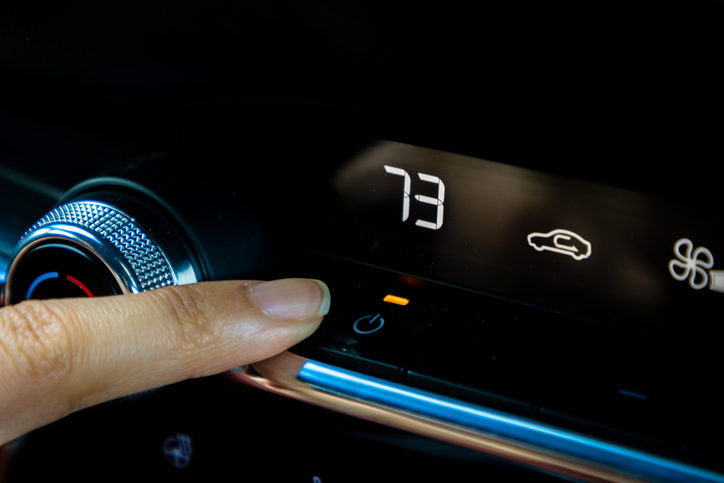
When drivers preheat an electric car, the climate control system warms the interior before departure. Depending on the vehicle, this may involve a heat pump, an electric resistance heater, or both. Cabin preheating can also help defrost windows and reduce the initial heating demand once driving begins.
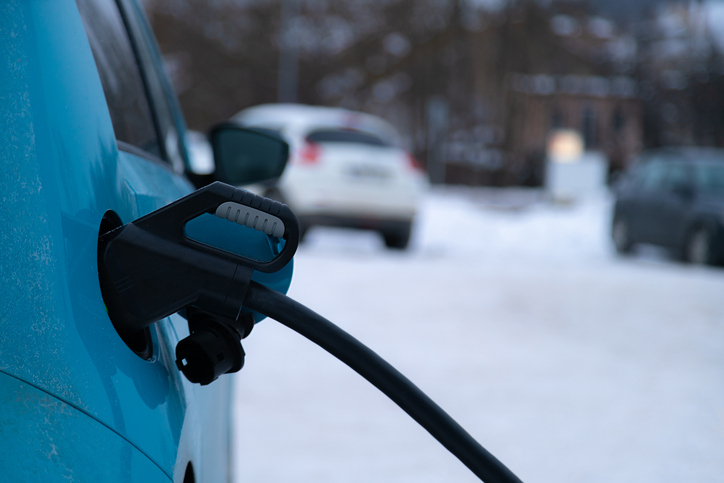
When the vehicle is plugged in, external electricity can supply some or all of the heating energy, depending on available charging power and vehicle design. This can preserve more battery energy for driving. However, preheating an unplugged EV draws energy from its battery. A warm cabin does not necessarily mean the battery has reached its preferred operating temperature.
Why Does EV Battery Preconditioning Help Fast Charging?
Cold temperatures slow electrochemical processes inside lithium-ion battery cells. Charging a very cold battery at high current can increase the risk of lithium plating, which may contribute to permanent battery degradation.
To protect the battery, the battery management system (BMS) may restrict charging current until conditions improve.
Battery preconditioning helps bring the pack closer to a suitable charging temperature before arrival at a DC fast-charging station. Some vehicles automatically initiate this process when a compatible charging station is selected through the onboard navigation system.
A properly conditioned battery may accept higher charging power sooner. However, charging speed still depends on factors such as state of charge, charger capacity, battery condition, and manufacturer-imposed limits. ATC Surrey’s hybrid technology training course offers opportunities to develop knowledge of electrified vehicle technology.
Can Cabin Preheating and Battery Preconditioning Run Together?
Yes. Depending on the EV, scheduling a departure time may activate both functions. Take the example of a commuter in Surrey who departs for work at 7:30 a.m. with their EV plugged into a home charging unit. Before leaving, the car can simultaneously warm up the interior and bring the high-voltage battery to an optimal temperature.
Later, when navigating to a fast-charging station, the vehicle might heat the battery again without changing the cabin temperature. These scenarios illustrate why technicians cannot determine battery temperature simply by checking whether warm air is coming from the dashboard vents.
What Should Technicians Check When EV Preconditioning Is Not Working?
Imagine a customer reporting that their EV’s cabin warms normally, but fast charging remains unusually slow on cold mornings. Rather than assuming the battery heater has failed, a technician needs to establish whether battery preconditioning was requested and whether operating conditions allowed it.
Depending on the vehicle, diagnostic checks may include:
- Battery temperature sensor readings.
- Battery management system commands and diagnostic trouble codes.
- Coolant circulation pumps and thermal management valves.
- Battery heater or heat pump operation.
- Navigation-based charging preparation settings.
- Available charging power and battery state of charge.
Pump noise, increased energy consumption, and temporarily restricted charging power can all occur during normal winter operation. High-voltage system testing requires appropriate training, protective equipment, and manufacturer-specific safety procedures.

Why Does This Matter for Future EV Technicians?
Modern EV diagnostics increasingly involve understanding how electrical, mechanical, and software-controlled systems interact. Through ATC Surrey’s Automotive Service Technician Foundation program, students can build foundational automotive diagnostic and repair skills.
Understanding concepts such as battery temperature management helps aspiring technicians approach unfamiliar vehicle behaviour with better diagnostic questions.
Build Your Automotive Skills for an Electrified Future
Understanding EV thermal management gives aspiring technicians a stronger foundation for investigating cold-weather performance concerns. Recognizing the difference between cabin preheating and EV battery preconditioning helps them ask better diagnostic questions, interpret temperature and charging data, and distinguish normal winter behaviour from potential faults.
Would you like to explore automotive training opportunities at our auto mechanic school in Surrey?
Contact ATC Surrey for more information.
Key Takeaways
- Cabin preheating warms the passenger compartment, while EV battery preconditioning regulates battery temperature.
- A warm cabin does not necessarily indicate that the battery is ready for fast charging.
- Preheating while plugged in can help preserve battery energy for driving.
- Cold battery temperatures may restrict charging power and regenerative braking.
- Battery preconditioning can improve fast-charging performance by bringing the pack closer to a suitable temperature.
- Both functions may operate simultaneously, depending on vehicle design and settings.
- Technicians should examine thermal management commands, sensor readings, and operating conditions before diagnosing a fault.
FAQ
Is cabin preheating the same as battery preconditioning?
No. Cabin preheating warms the passenger compartment for comfort and visibility, while EV battery preconditioning adjusts the high-voltage battery’s temperature to support driving performance or charging. Some vehicles coordinate both functions through shared thermal management systems.
Does preheating while plugged in save EV range?
Yes, it can help preserve driving range by using external electricity to warm the vehicle before departure. The benefit depends on available charging power, ambient temperature, vehicle design, and whether battery heating is also activated.
Why does battery preconditioning help fast charging?
Battery preconditioning brings the battery closer to a suitable charging temperature. This can allow the battery management system to permit higher charging current sooner while protecting the cells from potentially damaging cold-temperature charging conditions.
Can both features run at the same time?
Yes. Many EVs can warm the cabin and condition the battery simultaneously, particularly through scheduled departure settings. Activation depends on the manufacturer’s thermal management strategy, battery temperature, charging connection, and vehicle settings.


