Cabin Air Filter vs Engine Air Filter: What New Techs Should Know
TL;DR
Understanding how often to change the cabin air filter is an important part of routine vehicle maintenance. Cabin air filters help clean the air entering the passenger compartment, while engine air filters protect the engine from dirt and debris. Technicians inspect both during service visits and check for restricted airflow, contamination, and wear before recommending replacement.
Many vehicle owners hear the words “air filter replacement” during routine maintenance appointments, but are not always sure which filter is being discussed. For future technicians, understanding the difference between cabin and engine air filters is an important part of explaining maintenance recommendations clearly to customers.
Knowing how often to change cabin air filter components, and how that differs from engine air filter service helps technicians connect routine inspections to real vehicle performance and comfort issues. Although both filters handle airflow, they serve very different purposes inside the vehicle.
What Is the Difference Between a Cabin Air Filter and an Engine Air Filter?
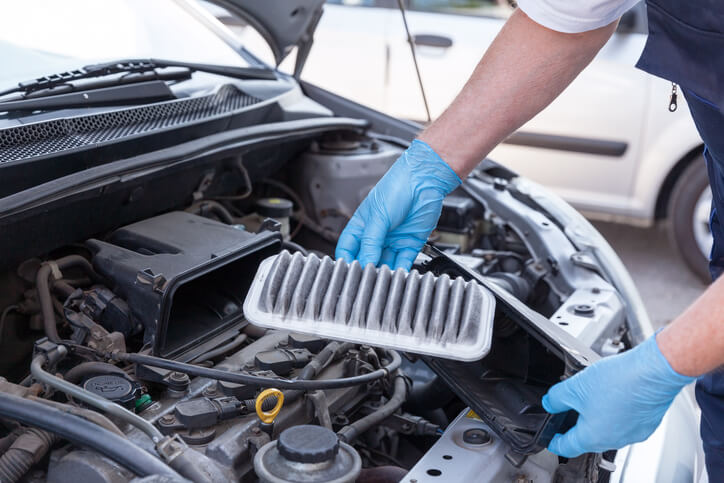
What is the difference between a cabin air filter and an engine air filter? The engine air filter protects the engine itself. It filters dirt, dust, and debris from the air entering the engine intake system. Clean airflow is critical because contaminated air can reduce engine efficiency and potentially damage internal engine components over time.
The cabin air filter, however, filters the air entering the passenger compartment through the heating and air conditioning system. It helps reduce dust, pollen, dirt, and airborne contaminants inside the vehicle cabin.
In simple terms:
- Engine air filters protect the engine
- Cabin air filters protect cabin air quality and HVAC airflow
Technicians inspect both during maintenance services because clogged filters can affect vehicle operation differently.
How Often to Change the Cabin Air Filter
How Often Should You Change a Cabin Air Filter? The answer depends on:
- Driving conditions
- Climate
- Air quality
- Vehicle manufacturer recommendations
In many cases, manufacturers recommend replacement roughly every 20,000 to 30,000 kilometres, although dusty roads, heavy traffic, wildfire smoke, or urban pollution may require earlier replacement.
This is why technicians physically inspect filters instead of relying only on mileage intervals.
Understanding how often to change cabin air filter components also helps technicians explain symptoms customers may already be noticing, including:
- Reduced HVAC airflow
- Dusty cabin air
- Musty smells
- Increased window fogging
In Canadian climates where heating and defrost systems are heavily used throughout the year, airflow restrictions can become especially noticeable during the winter months.
Can a Dirty Cabin Air Filter Affect AC Airflow?
Yes, and this is one of the most common symptoms technicians encounter.
A heavily contaminated cabin air filter can restrict airflow through the HVAC system, making heating and air conditioning performance feel weaker than normal.
Customers may notice:
- Reduced airflow from vents
- Slower cabin cooling
- Weak defrost performance
- Increased blower motor noise
In some cases, customers initially believe the AC system itself is failing when the actual issue is simply a clogged filter. Auto mechanic training students at ATC quickly learn how even small maintenance items can significantly affect customer comfort and vehicle operation.
How Do You Change a Cabin Air Filter?
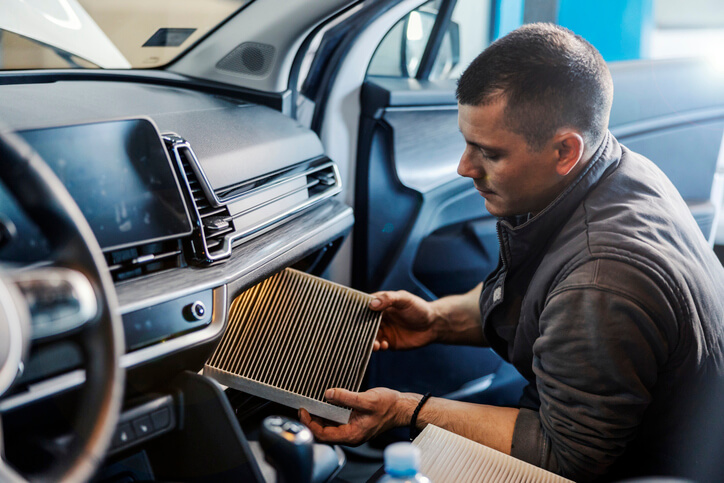
Future technicians also need to understand how to change cabin air filter components properly.
In many vehicles, the cabin filter is located:
- Behind the glove box
- Under the dashboard
- Near the HVAC housing
Replacement procedures vary by manufacturer, but technicians generally:
- Access the filter housing
- Remove the old filter
- Inspect for debris or contamination
- Install the new filter in the correct airflow direction
One important habit is checking airflow direction arrows carefully during installation. Incorrect installation can reduce filter effectiveness or airflow performance.
Students at our auto mechanic school are encouraged to practice these basic maintenance procedures early because they help build strong inspection habits and attention to detail.
Why Filter Inspections Matter for New Technicians
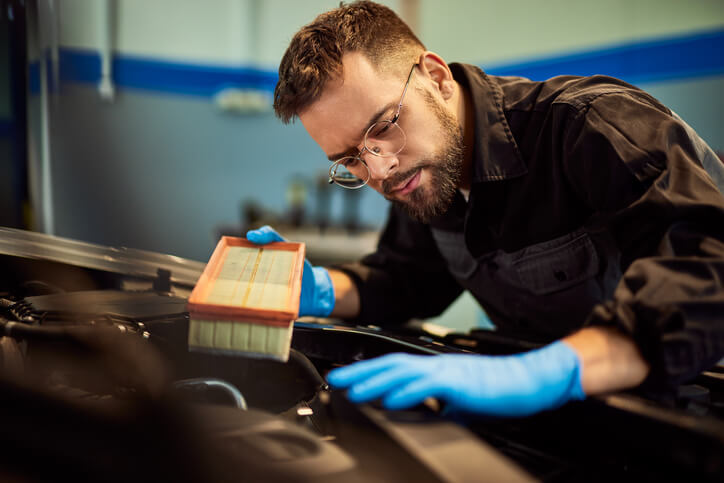
Routine maintenance work may seem simple, but inspections help technicians build diagnostic awareness and customer communication skills.
Understanding how often to replace cabin air filter components allows technicians to:
- Explain maintenance recommendations clearly
- Connect symptoms to airflow issues
- Build customer trust
- Develop inspection consistency
If you’re hoping to become a mechanic, learning how to properly inspect and explain basic service items remains an important foundation for more advanced diagnostics later on.
Do you want to become a mechanic?
Contact ATC Cambridge for more information.
Key Takeaways
- Understanding how often to change cabin air filter helps technicians explain routine maintenance properly
- Cabin air filters improve passenger air quality and HVAC airflow
- Engine air filters protect the engine from dirt and debris
- Dirty cabin filters can reduce heating and AC airflow performance
- Filter inspections help new technicians develop strong maintenance and customer communication skills
FAQ
How often should you change a cabin air filter?
Most manufacturers recommend replacement every 20,000 to 30,000 kilometres, although driving conditions may require more frequent replacement.
How do you change a cabin air filter?
Technicians access the filter housing, remove the old filter, inspect the area, and install a new filter in the proper airflow direction.
What is the difference between a cabin air filter and an engine air filter?
Cabin air filters clean air entering the passenger compartment, while engine air filters protect the engine intake system from debris.
Can a dirty cabin air filter affect AC airflow?
Yes. A clogged cabin air filter can restrict airflow and reduce heating and air conditioning performance.