Brake Vacuum Pump Problems: Hard Pedals, Low Vacuum, and Diagnostic Checks
In Brief: Brake Booster Vacuum Pump Problems
- A brake vacuum pump supplies vacuum for power-assisted braking in vehicles that require one.
- Low vacuum can make the brake pedal feel unusually hard and increase the effort needed to stop.
- Technicians check the pump, hoses, valves, and electrical controls before deciding what needs repair.
- Reduced brake assistance is a safety concern that requires prompt attention.
A brake pedal should respond firmly without requiring excessive force. When it suddenly becomes difficult to press, the problem may involve the system that helps the driver apply the brakes.
In some vehicles, a brake booster vacuum pump supplies the vacuum needed for that assistance. If the pump becomes weak or the vacuum supply is interrupted, the driver may need to press much harder to slow the vehicle.
For future automotive technicians, recognizing these symptoms is only the beginning. Finding the cause means checking how the pump, booster, hoses, valves, and controls work together.
Exploring The Brake Booster Vacuum Pump
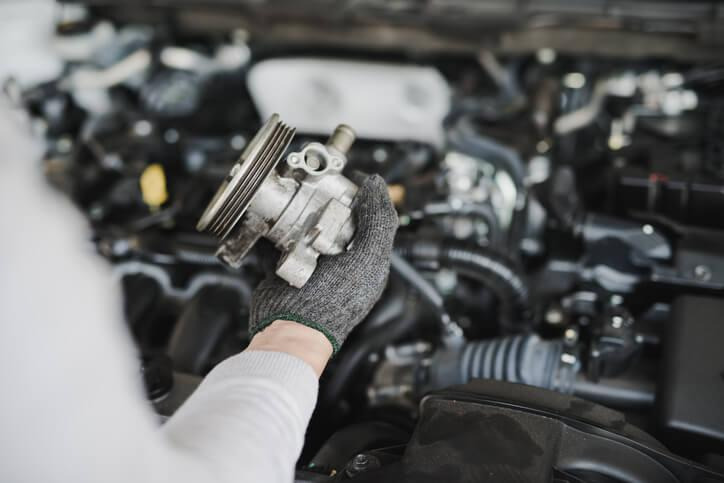
What does a brake vacuum pump do? It supplies vacuum to a vacuum-operated brake booster when the engine cannot provide enough on its own.
The booster uses a pressure difference to reduce the force a driver needs to apply at the brake pedal. Without enough vacuum, the booster provides less assistance.
Some vehicles use an engine-driven pump, while others have an electric brake vacuum pump that operates when additional vacuum is needed. Not every vehicle uses a separate pump, and some braking systems use other methods of assistance.
Understanding these differences is part of effective auto mechanic training. Technicians must first identify how the vehicle’s braking system is designed before diagnosing a fault.
What Are the Symptoms of a Failing Brake Vacuum Pump?
The most noticeable sign is often a hard brake pedal that requires more effort than usual.
Other possible brake vacuum pump symptoms include:
- Reduced power assistance when braking
- A brake-related warning light on some vehicles
- Unusual pump noise or operation
- Diagnostic trouble codes on electronically monitored systems
These vacuum pump symptoms do not automatically mean the pump has failed. A leaking hose, faulty check valve, damaged booster, or electrical problem can also reduce vacuum assistance.
The important diagnostic question is whether the pump is failing to produce enough vacuum or whether that vacuum is being lost elsewhere.
How Do Technicians Test Vacuum Supply to the Brake Booster?
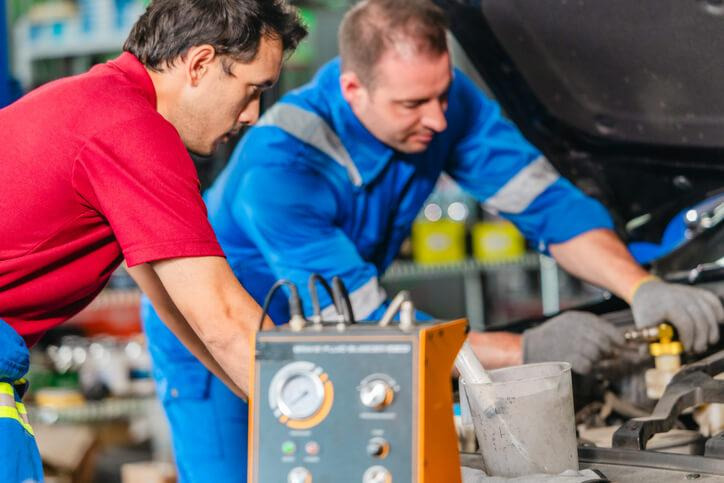
They measure the vacuum reaching the booster and compare their findings with the manufacturer’s specifications.
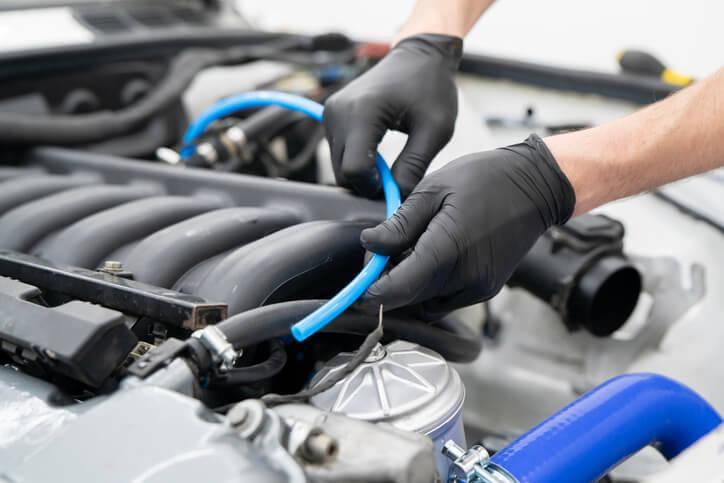
A technician may begin by inspecting hoses for cracks, loose connections, or other damage. A faulty check valve can also prevent the system from maintaining the vacuum needed for brake assistance.
Depending on the vehicle, further checks may include:
- Measuring vacuum: Use suitable testing equipment to check vacuum supply against the specified range.
- Checking the pump: Determine whether it produces the required vacuum under the prescribed test conditions.
- Inspecting the check valve: Confirm that it operates correctly and helps retain vacuum.
- Testing electrical controls: On an electric system, check the power supply, wiring, and control signals as directed by service information.
- Checking the booster: Investigate whether the booster itself is leaking or failing to provide assistance.
These checks help technicians distinguish a faulty vacuum pump brake booster supply system from other braking problems.
Students attending an auto mechanic school can see why systematic testing matters. Replacing a pump without checking the surrounding components may leave the original problem unresolved.
Is It Safe to Drive With a Weak Brake Vacuum Pump?
No. Suspected loss of brake assistance should be treated as a serious safety concern. The mechanical braking system may still function in some vehicles, but the driver may need substantially more pedal force to stop. This can make braking difficult, particularly during an emergency.
A hard pedal can also be caused by issues unrelated to the vacuum pump. Drivers should not assume the vehicle is safe simply because the brakes still respond. If brake assistance appears to be failing, the safest approach is to stop in a safe location and arrange professional inspection rather than continue driving.
If you’re preparing to become a mechanic, this is an essential lesson: brake diagnosis is not just about finding a defective part. It is also about recognizing when a vehicle may be unsafe to operate.
Are you looking for comprehensive auto mechanic training?
Contact ATC Cambridge for more information.
Key Takeaways
- A brake booster vacuum pump provides vacuum for brake assistance in certain vehicles.
- A hard pedal is a common warning sign of reduced vacuum assistance.
- Pump faults, leaking hoses, faulty valves, and booster problems can produce similar symptoms.
- Vacuum measurements and electrical checks help technicians identify the cause.
- Suspected brake-assistance failure requires prompt professional attention.
FAQ
What Does a Brake Vacuum Pump Do?
A brake vacuum pump supplies vacuum to a vacuum-operated brake booster, helping reduce the pedal force required for braking.
What Are the Symptoms of a Failing Brake Vacuum Pump?
Possible symptoms include a hard brake pedal, reduced braking assistance, unusual pump operation, and warning lights or fault codes on some vehicles.
How Do Technicians Test Vacuum Supply to the Brake Booster?
Technicians use suitable vacuum-testing equipment and manufacturer specifications. They may also inspect hoses, check valves, pump operation, electrical controls, and the booster itself.
Is It Safe to Drive With a Weak Brake Vacuum Pump?
No. Reduced brake assistance can increase the force needed to stop. A vehicle showing these symptoms should be safely stopped and professionally inspected.