Brake-by-Wire Systems: What New Auto Technicians Need to Understand
TL;DR
Brake-by-wire systems replace traditional mechanical braking connections with electronic control, allowing more precise braking and integration with systems like regenerative braking. For technicians, this means diagnosis now depends heavily on scan data, system logic, and understanding how electronic and hydraulic systems interact.
Braking systems have always been critical to vehicle safety, but how they operate is changing rapidly. In traditional systems, pressing the brake pedal directly applied hydraulic force to the brakes. In modern vehicles, especially hybrids and EVs, that relationship is no longer purely mechanical.
Instead, brake-by-wire systems interpret driver input electronically and decide how braking force is applied. For students entering the field through automotive training, this represents a major shift in how braking systems are understood and diagnosed.
What Are Brake-by-Wire Systems in a Car?
At its core, a brake-by-wire system replaces the direct mechanical link between the brake pedal and the braking components with electronic control.
When the driver presses the pedal, sensors detect input and send signals to a control module. That module then determines how much braking force is needed and how it should be distributed.
Instead of a purely hydraulic response, the system uses:
- Electronic sensors
- Control modules
- Actuators and hydraulic units
This type of electronic braking system allows for faster response times and more precise control, especially when integrated with other vehicle systems.
How Does Brake-by-Wire Work With Regenerative Braking?
One of the most important reasons for adopting brake-by-wire technology is its ability to manage regenerative braking and friction brakes together.
In hybrid and electric vehicles, regenerative braking uses the electric motor to slow the vehicle while recovering energy. However, it cannot always provide enough stopping power on its own.
Brake-by-wire systems manage this by blending two braking sources:
- Regenerative braking for efficiency
- Friction brakes for stopping power
Technicians refer to evaluating this interaction as blended braking diagnosis. From the driver’s perspective, the transition should feel seamless. From a technician’s perspective, it introduces a new layer of complexity.
Why Does the Brake Feel Change in Modern Vehicles?
One of the first things drivers notice in vehicles with brake-by-wire systems is that brake feel can be different. Because the pedal is no longer directly linked to hydraulic pressure, the system simulates brake feel electronically. The control module adjusts feedback based on speed, load, and braking demand.
In vehicles with regenerative braking, the initial pedal input may rely more on energy recovery than friction braking. As braking demand increases, the system gradually brings in the friction brakes.
This blending can sometimes create a different sensation compared to traditional systems, especially at low speeds or during light braking. Understanding these differences is essential for technicians diagnosing customer concerns related to brake feel.
Why Do Technicians Need Scan Data for Brake Diagnosis?
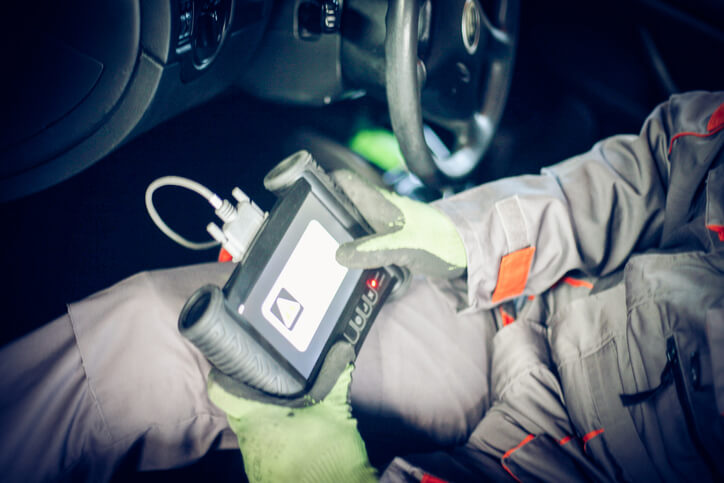
With modern brake system faults, traditional visual inspection is no longer enough. Brake-by-wire systems rely on sensors, control modules, and communication networks, aligning with vehicle safety and braking system standards in Canada that emphasize system reliability and electronic control. This means faults may not be visible without accessing system data.
Technicians must use scan tools to:
- Read fault codes
- Monitor sensor inputs
- Evaluate braking system commands
- Analyze system responses in real time
Without scan data, diagnosing issues in an electronic braking system becomes guesswork. Students at an auto mechanic school learn how to interpret this data and connect it to real-world symptoms.
Is Brake-by-Wire the Same as ABS?
Brake-by-wire systems are often confused with ABS (anti-lock braking systems), but they are not the same. ABS is a feature within the braking system that prevents wheel lockup during hard braking. It works by modulating hydraulic pressure.
Brake-by-wire, on the other hand, is a broader system architecture. It controls how braking input is processed and distributed. In fact, ABS is typically integrated into brake-by-wire systems as one of many functions. This distinction is important because diagnosing ABS issues is only one part of diagnosing a full brake-by-wire system.
What Makes Brake-by-Wire Systems More Complex to Diagnose?
The complexity of brake-by-wire systems comes from the interaction between multiple components.
Instead of a single mechanical pathway, technicians must consider:
- Sensor accuracy
- Module communication
- Software logic
- Hydraulic response
A fault in any one of these areas can affect braking performance.
For example, a sensor reporting incorrect pedal position may cause an inconsistent braking response, even if the hydraulic system is functioning correctly.
For students preparing for auto careers, this highlights the importance of understanding systems, not just individual components.
Why This Matters for Future Auto Technicians
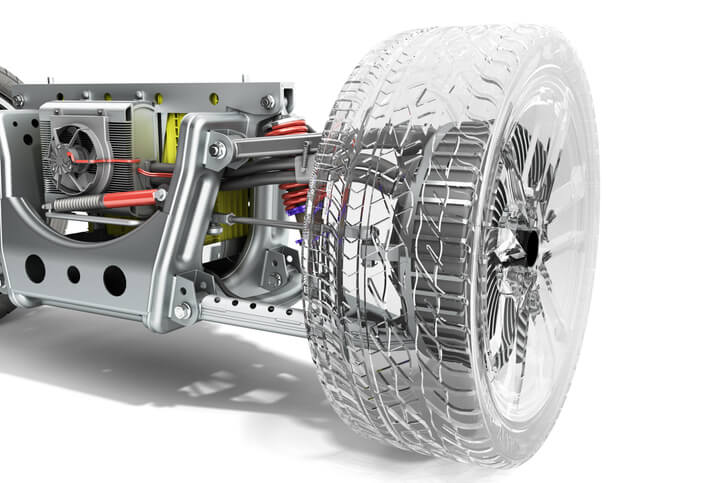
As vehicles continue to evolve, brake-by-wire systems are becoming more common. This shift reflects a broader trend toward electrification and system integration.
Technicians must now think in terms of:
- Data-driven diagnostics
- System interactions
- Electronic control strategies
Automotive training programs at an auto mechanic school increasingly emphasize these skills, preparing students for the realities of modern vehicle service.
Would you like to explore a wide range of auto careers?
Contact ATC Surrey for more information
Key Takeaways
- Brake-by-wire systems use electronic control instead of a direct mechanical linkage.
- They enable integration with regenerative braking and advanced safety systems.
- Brake feel is simulated and may differ from traditional systems.
- Scan tools are essential for diagnosing modern brake system faults.
- Understanding system interaction is critical for future technicians.
FAQ
What are brake-by-wire systems in a car?
Brake-by-wire replaces the direct mechanical link between the brake pedal and braking system with electronic control, allowing more precise and adaptive braking.
Is brake-by-wire the same as ABS?
No. ABS is a feature that prevents wheel lockup, while brake-by-wire is the overall system that controls how braking is applied.
Why do technicians need scan data for brake diagnosis?
Because brake-by-wire systems rely on sensors and control modules, scan data is required to identify faults and understand system behavior.
How does regenerative braking affect brake feel?
Regenerative braking changes how braking force is applied, often making initial braking feel different as the system blends energy recovery with friction braking.