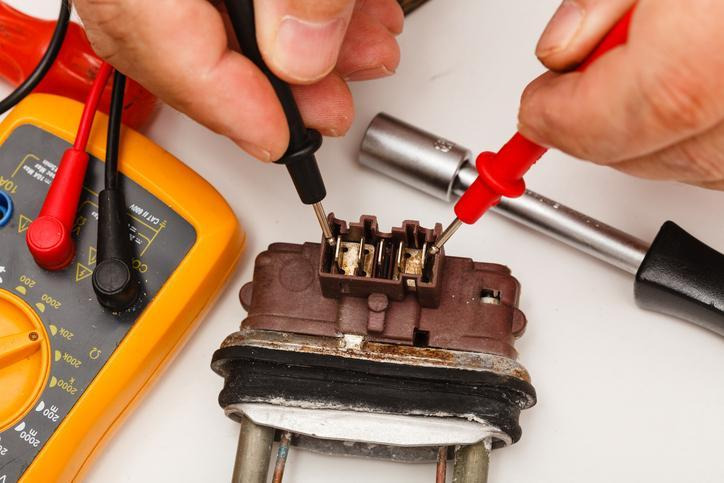
Blower Motor Resistor Problems: Why Cabin Fans Lose Speeds
In Brief: Blower Motor Resistor Symptoms
Common blower motor resistor symptoms include losing one or more fan speeds, especially when the car fan only works on high. In traditional systems, lower speeds route current through different resistance paths, while the highest setting commonly bypasses the resistor. However, technicians should test the circuit before recommending blower motor resistor replacement because the motor, wiring, connector, switch, power supply, or electronic blower-control module may also be responsible.
A cabin fan that suddenly loses its lower speeds can seem like a minor annoyance. On a cold or rainy Cambridge commute, however, reliable airflow also matters for heating, cooling, and clearing condensation from the glass.
For students beginning auto mechanic training, the complaint provides a useful lesson in electrical diagnosis. Recognizing blower motor resistor symptoms is only the beginning. A technician still needs to determine why the fan behaves differently at different speed settings.
What Are Bad Blower Motor Resistor Symptoms?
What are the symptoms of a bad blower motor resistor? A common sign is a cabin fan that operates at some speeds but not others.
Traditional blower circuits use resistance to control the amount of current flowing through the motor. Different resistance paths create different fan speeds. If part of the resistor assembly fails, one or several settings may disappear while others continue operating.
A driver might notice:
- One or more fan speeds no longer work
- The fan works only at its highest setting
- Blower speed behaves inconsistently
- A connector or resistor shows heat damage
However, these symptoms do not automatically prove there is a bad blower motor resistor. Modern vehicles may use solid-state electronic blower-control modules instead of traditional resistor packs, so technicians first need to identify how that particular system operates.
That vehicle-specific approach is an important habit to develop at auto mechanic school.
Why Does My Car Fan Work Only on the Highest Setting?
On many traditional resistor-controlled systems, high speed bypasses the resistor and provides the blower motor with a more direct electrical path.
The lower settings, by comparison, route current through different resistances to reduce motor speed. If those resistance paths fail while the high-speed circuit remains intact, the classic car fan only works on high complaint can result. It is a strong diagnostic clue, but not a universal rule.
Circuit designs differ, particularly on vehicles using automatic climate control and electronic blower modules. Service information and a wiring diagram tell the technician how the specific vehicle controls blower speed. That prevents an easy mistake: replacing a resistor based solely on a familiar symptom.

How Do You Test a Blower Motor Resistor?
Technicians use vehicle-specific service information and electrical measurements to determine whether power, ground, switching, resistance, and motor operation are correct.
Standard’s technician guidance recommends obtaining the wiring diagram and system operation information before testing. On a traditional circuit, diagnosis may include:
- Verifying the customer’s complaint at every fan speed.
- Checking the appropriate fuse and power supply.
- Verifying power at the blower motor.
- Checking the main ground.
- Testing the resistor paths and related terminals.
- Inspecting wiring and connectors for overheating or damage.
- Comparing resistor measurements with vehicle specifications.
Technicians may also test blower-motor current draw. A worn motor that draws excessive amperage can overheat and damage the resistor, module, or connector. Standard specifically recommends considering excessive blower-motor current and a restricted cabin air filter when investigating repeat failures. This is why good diagnosis looks beyond the component that failed.
Can a Bad Blower Motor Resistor Stop the Fan Completely?
It can on some circuit designs, but a fan that does not operate at any speed has several other possible causes. If the blower motor is not working at all, technicians may need to investigate:
- Blown fuses or circuit protection
- Loss of power or ground
- Failed blower motor
- Damaged wiring or connectors
- Fan-speed switch or HVAC control problems
- Resistor or electronic blower-control module faults
The exact diagnostic path depends on the vehicle.
This distinction matters because a completely dead cabin fan not working complaint provides less immediate evidence of a resistor fault than a fan that has simply lost certain speeds. If you’re training to become a mechanic, you need to resist replacing the component most commonly associated with the symptom and instead test the complete circuit.
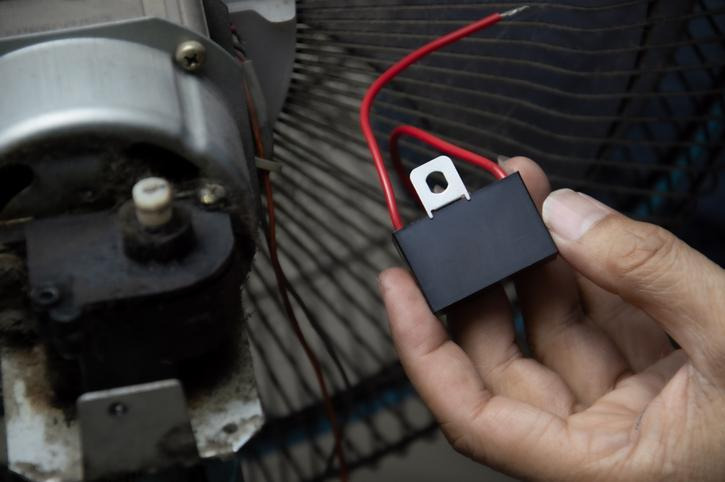
Why Should Technicians Check the Blower Motor Before Replacing the Resistor?
A failed resistor can sometimes be the result rather than the root cause of a problem.
Blower resistors generate heat during normal operation, which is why they are commonly positioned where airflow can cool them. Standard warns that a worn blower motor can draw excessive current, increasing heat in the resistor or control module and potentially damaging electrical connectors. Restricted airflow from a cabin filter can also contribute to overheating.
This means a quick blower motor resistor replacement without investigating the motor and connector could result in a repeat failure.
Technicians should therefore inspect for discoloured or melted connectors, evaluate airflow, and test motor current draw according to vehicle-specific specifications.
That approach illustrates a broader principle of automotive electrical diagnosis: finding the failed part is useful, but understanding why it failed can prevent the vehicle from returning with the same problem.
Are you looking for comprehensive auto mechanic training?
Contact ATC Cambridge for more information.
Key Takeaways
- Common blower motor resistor symptoms include losing one or more cabin-fan speeds.
- A fan that operates only on high is a classic clue on many traditional resistor-controlled systems.
- Modern vehicles may use electronic blower-control modules rather than conventional resistors.
- Technicians should consult vehicle-specific wiring diagrams before testing.
- A completely dead blower can result from the motor, fuse, wiring, controls, resistor, module, or power and ground problems.
- Excessive blower-motor current can contribute to resistor, module, and connector damage. (Standard Motor Products)
- Restricted cabin-filter airflow should also be considered when investigating repeat failures. (Standard Motor Products)
- Good diagnosis identifies both the failed component and conditions that may have caused it.
FAQ
What are the symptoms of a bad blower motor resistor?
Common symptoms include one or more fan speeds failing, a fan that operates only on high, intermittent speed control, or heat damage around the resistor and connector.
Why does my car fan work only on the highest setting?
On many traditional systems, the lower speeds use the resistor while high speed bypasses it. Failure of the resistance paths can therefore leave only the highest speed operating. (Standard Motor Products)
How do you test a blower motor resistor?
Technicians first consult the vehicle’s wiring diagram and specifications, then test relevant power, ground, resistor paths, connectors, and blower operation. Motor current draw may also be checked to identify a problem that could damage a replacement resistor. (Standard Motor Products)
Can a bad blower motor resistor stop the fan completely?
It can on some systems, but complete blower failure can also result from a failed motor, fuse, wiring, connector, switch, electronic control module, or loss of power or ground.