Ball Joints Explained: What They Do and How Technicians Spot Wear
TL;DR: A Quick Guide to Fixing Ball Joints
Ball joints connect the steering knuckle to the suspension while allowing the wheels to move up, down, and turn smoothly. Because they influence steering, suspension, and vehicle stability, worn ball joints can become a serious safety concern. Learning how technicians inspect these components is an important part of auto mechanic training.
When people think about vehicle safety, they often focus on brakes or tires. Yet small suspension components such as ball joints play an equally important role in keeping a vehicle stable and easy to control.
For future technicians, understanding how ball joints work and recognizing the signs of wear is essential. A careful inspection can help prevent poor handling, uneven tire wear, and potentially dangerous suspension failures.
What Do Ball Joints Do on a Car?
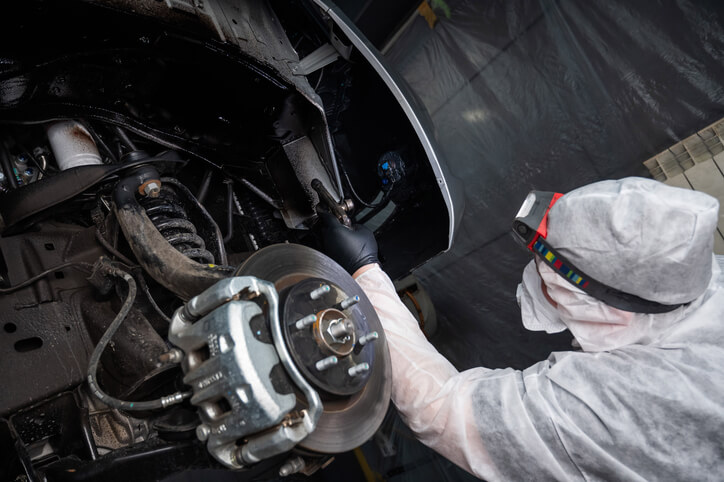
Ball joints act as pivot points between the suspension and steering system, allowing the wheels to move with the suspension while still turning left and right. A typical automotive ball joint resembles a human shoulder joint. It provides flexibility while supporting the vehicle’s weight and maintaining proper wheel alignment.
Depending on the suspension design, a vehicle may have upper and lower ball joints or integrated ball joints built into control arms. Regardless of the design, these components are critical for smooth steering and suspension movement.
What Are the Signs of Bad Ball Joints?
Common symptoms include clunking noises, uneven tire wear, loose steering, wandering while driving, and vibration through the steering wheel. NAPA Canada’s guide on how to check a ball joint explains why careful inspection is important for safe, smooth driving.
Technicians often investigate ball joints when customers report:
- Clunking over bumps
- Steering that feels loose or unstable
- Uneven front tire wear
- Vehicle pulling to one side
- Excessive suspension play
These symptoms may also point to other suspension issues, which is why a thorough inspection is important before replacing parts.
Can Worn Ball Joints Affect Steering Safety?
Yes. Excessively worn ball joints in cars can reduce steering precision, affect wheel alignment, and, in severe cases, contribute to suspension failure.
As wear increases, the vehicle ball joint develops excessive movement. This changes suspension geometry and can make the vehicle more difficult to control, particularly during braking, cornering, or driving over uneven roads.
As learned in auto mechanic training, routine inspections help identify wear before it reaches this stage, improving both safety and handling.
How Do Technicians Inspect Ball Joints?
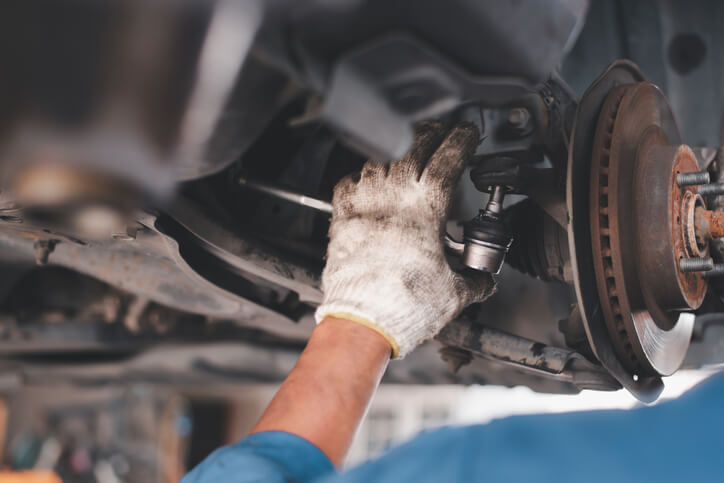
Technicians inspect ball joints by checking for excessive play, damaged protective boots, grease leakage, unusual movement, and suspension noise while following manufacturer inspection procedures.
Inspection may include:
- Raising the vehicle safely
- Checking vertical and horizontal movement
- Inspecting rubber dust boots
- Looking for grease leaks or contamination
- Measuring play where required
- Comparing findings with manufacturer specifications
Students completing auto mechanic school develop these inspection skills through practical training. As part of their training, they’ll also learn to distinguish ball joint wear from problems involving tie rods, control arm bushings, or wheel bearings.
Building Strong Diagnostic Skills
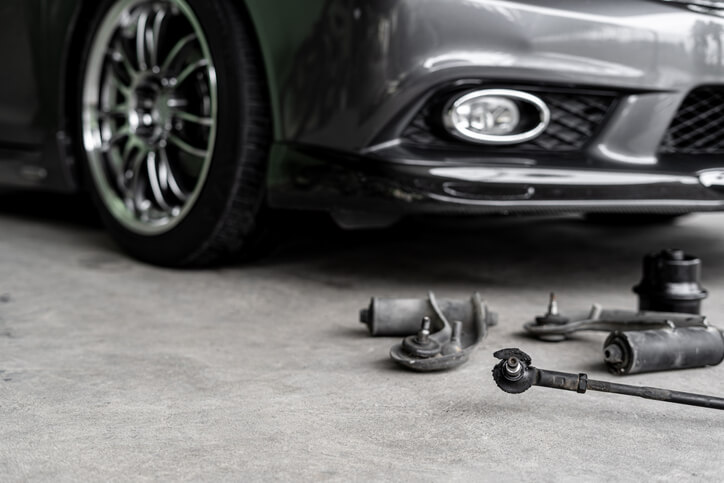
Diagnosing suspension problems requires more than replacing worn parts. Skilled technicians understand how steering and suspension components work together and follow a logical inspection process before making repair recommendations.
Through hands-on auto mechanic training, students gain experience inspecting steering and suspension systems while developing the practical skills employers expect in today’s repair shops.
Would you like to become a mechanic?
Contact ATC Cambridge for more information.
Key Takeaways
- Ball joints connect the steering and suspension systems while allowing controlled wheel movement.
- A worn automotive ball joint can affect steering, alignment, and vehicle safety.
- Common warning signs include clunking noises, loose steering, and uneven tire wear.
- Technicians inspect vehicle ball joints for excessive movement, damaged boots, and grease leaks.
- Practical auto mechanic training helps students develop essential suspension diagnostic skills.
FAQ
What Do Ball Joints Do on a Car?
Ball joints connect the steering knuckle to the suspension, allowing the wheels to move with the suspension while turning for steering.
What Are the Signs of Bad Ball Joints?
Common signs include clunking noises, uneven tire wear, loose steering, vehicle wandering, and suspension play.
Can Worn Ball Joints Affect Steering Safety?
Yes. Worn ball joints can reduce steering control, affect alignment, increase tire wear, and potentially lead to suspension failure if left unrepaired.
How Do Technicians Inspect Ball Joints?
Technicians inspect ball joints by checking for excessive movement, damaged boots, grease leaks, abnormal wear, and suspension play using manufacturer-recommended procedures.