Timing Chain Problems: Rattle, Correlation Codes, and Oil-Service Clues
In Brief: Bad Timing Chain Symptoms
Common bad timing chain symptoms can include rattling noises, a check engine light, camshaft/crankshaft correlation codes, misfires, poor performance, and, in severe cases, an engine that has jumped out of time. Technicians do not diagnose a worn chain from noise alone. They consider scan data, oil condition and service history, mechanical timing, tensioner and guide condition, and manufacturer specifications before recommending a major repair.
A timing chain spends its working life hidden inside the engine, but it performs one of the engine’s most important jobs: keeping the crankshaft and camshaft movements properly synchronized.
When that relationship begins to change, the clues may initially be subtle. A driver might hear a brief rattle during startup, notice a check engine light, or experience rough running. In other cases, timing chain problems become serious enough to affect engine performance or cause extensive internal damage.
For students at ATC auto mechanic school in Surrey, timing-chain diagnosis demonstrates why technicians need to connect mechanical symptoms with scan data and maintenance history. A rattle is a clue.
What Are Bad Timing Chain Symptoms?
Possible bad timing chain symptoms include rattling from the timing area, reduced engine performance, rough running or misfires, a check engine light, and diagnostic trouble codes related to camshaft and crankshaft correlation.
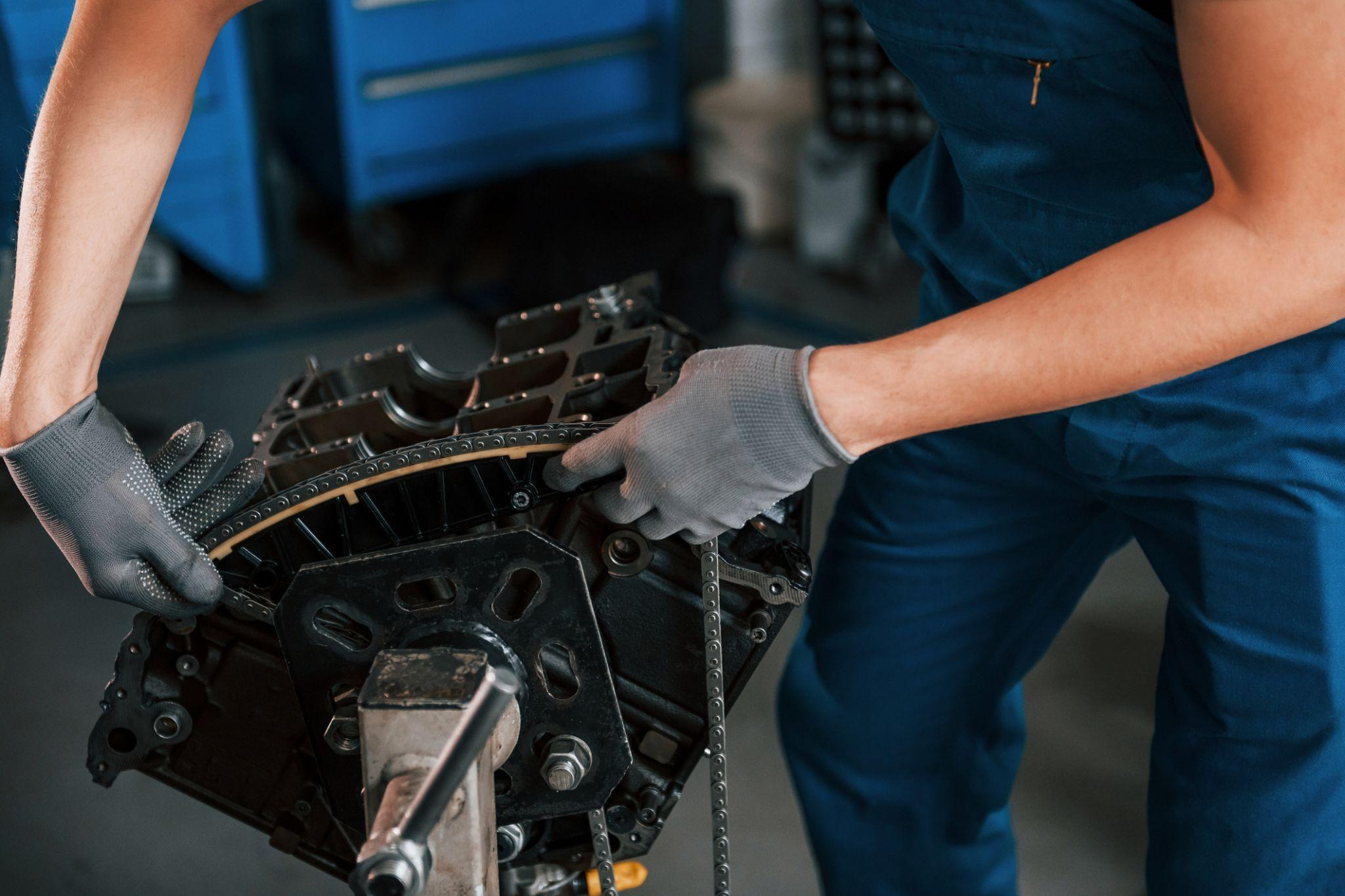
The timing chain itself is only one part of the system. Guides control chain movement, while tensioners maintain appropriate tension. Depending on the engine, camshaft phasers and other variable valve timing components may also be closely connected with timing-system operation.
As a chain and its related components wear, valve timing can move away from its intended position. Camshaft and crankshaft position sensors may detect this change and generate correlation or synchronization codes. Technical guidance for professional repair shops notes that abnormal timing-chain noises and correlation codes should both be investigated carefully.
During ATC Automotive Service Technician Foundation program, students can learn an important diagnostic principle here: several symptoms together generally tell technicians more than any one symptom viewed in isolation.
What Does a Loose Timing Chain Sound Like?
A worn or insufficiently tensioned chain may produce a metallic rattling or clattering noise from the timing area, sometimes most noticeable during startup. A timing chain rattle, however, does not automatically mean that the chain itself requires replacement.
Technicians may also need to consider the tensioner, guides, oil pressure, variable valve timing components, and other potential sources of engine noise. For example, certain vehicle-specific startup rattles can originate from variable valve timing actuators rather than the chain itself.
That is why locating the noise and checking service information are important. Replacing an expensive timing set based on sound alone risks misdiagnosing the vehicle.
The nature of the noise matters too. Technicians may ask whether it happens only during a cold start, remains after the engine warms up, changes with engine speed, or appears after another repair. Those details help narrow the diagnostic path.

Can Poor Oil Maintenance Damage a Timing Chain?
Poor oil condition, an incorrect oil specification, low oil level, or lubrication problems can contribute to wear and interfere with components that depend on oil pressure.
This relationship is particularly important on engines using hydraulically operated timing-chain tensioners or variable valve timing systems. Degraded oil can damage tensioners, while variable valve timing actuators also depend on the engine’s oil supply.
For that reason, an oil-service history can provide valuable context when technicians investigate timing chain failure symptoms.
They may consider:
- Current engine oil level and condition
- Whether the correct oil specification has been used
- Evidence of sludge or contamination
- Oil-change history
- Oil-pressure concerns
- Condition of tensioners and guides
This does not mean that every timing-chain failure results from neglected oil changes. Components can fail for other reasons. Instead, maintenance history becomes one more piece of evidence.
Students completing our auto mechanic course therefore need to understand lubrication as part of timing-system diagnosis rather than treating the chain as an isolated component.
How Do Technicians Diagnose Timing-Chain Problems Before Replacement?
They combine the customer’s complaint with noise evaluation, diagnostic trouble codes, scan data, maintenance history, oil checks, manufacturer procedures, and, when necessary, physical inspection of the timing system.
A scan tool can be particularly useful when correlation codes are present. Engine-management systems monitor the relationship between crankshaft and camshaft position, and deviations from programmed values can trigger relevant trouble codes.
But a correlation code does not automatically condemn the chain.
Technicians may need to investigate variable valve timing operation, sensors, actuators, oil pressure, wiring, and mechanical timing. If evidence continues to point toward the timing system, further inspection may reveal worn guides, tensioner concerns, chain elongation, or other mechanical damage.
This methodical approach matters because timing-chain repairs can involve significant disassembly. Diagnosis should be strong enough to justify the work before the engine is opened.

Why Can Timing Chain Replacement Cost Vary So Much?
Why can timing chain replacement cost vary so much? Timing chain replacement cost depends on the engine design, labour required for access, number of chains, condition of related components, and whether additional damage has occurred.
Timing-chain systems may include camshaft and crankshaft sprockets, guides, tensioners, and one or more chains. Comprehensive timing-chain kits can include these related components depending on the application.
Access is another major consideration. A timing chain is internal to the engine, and reaching it may require substantial removal of covers and surrounding components. A repair involving only worn timing components will also be very different from one performed after the chain has jumped time and internal engine damage is suspected.
That makes an accurate diagnosis especially valuable. The technician needs to identify not only whether the timing system has a problem, but also how far that problem has progressed.
Would you like to explore training opportunities at our auto mechanic school in Surrey?
Contact us for more information.
Key Takeaways
- Bad timing chain symptoms can include rattling, correlation codes, rough running, misfires, and reduced performance.
- A timing chain rattle should be investigated rather than automatically blamed on the chain itself.
- Worn chains can alter the relationship between crankshaft and camshaft timing and contribute to correlation codes.
- Oil condition and service history can provide important clues, especially where hydraulic tensioners and variable valve timing components are involved.
- Technicians use scan data, inspections, maintenance history, oil checks, and manufacturer procedures to confirm timing chain problems.
- Timing chain replacement cost varies considerably according to engine design, accessibility, related components, and the extent of any damage.
FAQ
What are the symptoms of a bad timing chain?
Potential symptoms include rattling noises, a check engine light, camshaft/crankshaft correlation codes, misfires, rough running, and reduced performance. The exact symptoms depend on the engine and severity of the wear.
What does a loose timing chain sound like?
It may create a metallic rattling or clattering sound from the timing area, sometimes particularly noticeable during startup. Other components can create similar noises, so diagnosis is still necessary.
Can poor oil maintenance damage a timing chain?
Poor lubrication can contribute to timing-system problems, particularly by affecting oil-dependent tensioners and variable valve timing components. Technicians therefore consider oil condition, specification, level, and service history during diagnosis.
How do technicians diagnose timing-chain problems before replacement?
They may evaluate engine noise, retrieve trouble codes, examine scan data, review oil-service history, check lubrication concerns, verify mechanical timing, and inspect the chain, tensioners, and guides when appropriate.
Can a timing chain problem cause a check-engine light?
Yes. If wear changes the expected relationship between camshaft and crankshaft position, the engine-management system may detect the discrepancy and store correlation or synchronization trouble codes.