
Radiator Cap Problems: Why Cooling-System Pressure Still Matters in Cold Weather
In Brief: Bad Radiator Cap Symptoms
Common bad radiator cap symptoms include coolant loss, leaks near the cap, overheating, and changes in coolant reservoir levels. A radiator or pressurized expansion-tank cap helps regulate cooling-system pressure, which raises the coolant’s boiling point. Technicians inspect the cap, verify its pressure rating, and use suitable test equipment to identify faults. Never remove a pressure cap while the cooling system is hot.
A radiator cap is small enough to overlook during an engine inspection, yet it performs an important job. When its seal or pressure valve stops working properly, the cooling system may lose coolant or struggle to maintain the pressure needed for reliable operation. Recognizing bad radiator cap symptoms can help technicians identify problems before they lead to more serious overheating.
Cold weather doesn’t eliminate the need for cooling-system pressure. Even during a Toronto winter, an engine generates substantial heat, and its cooling system must regulate operating temperature. For aspiring mechanics, understanding the radiator cap is a useful introduction to how pressure, temperature, and mechanical components work together.
What Does a Radiator Cap Actually Do?
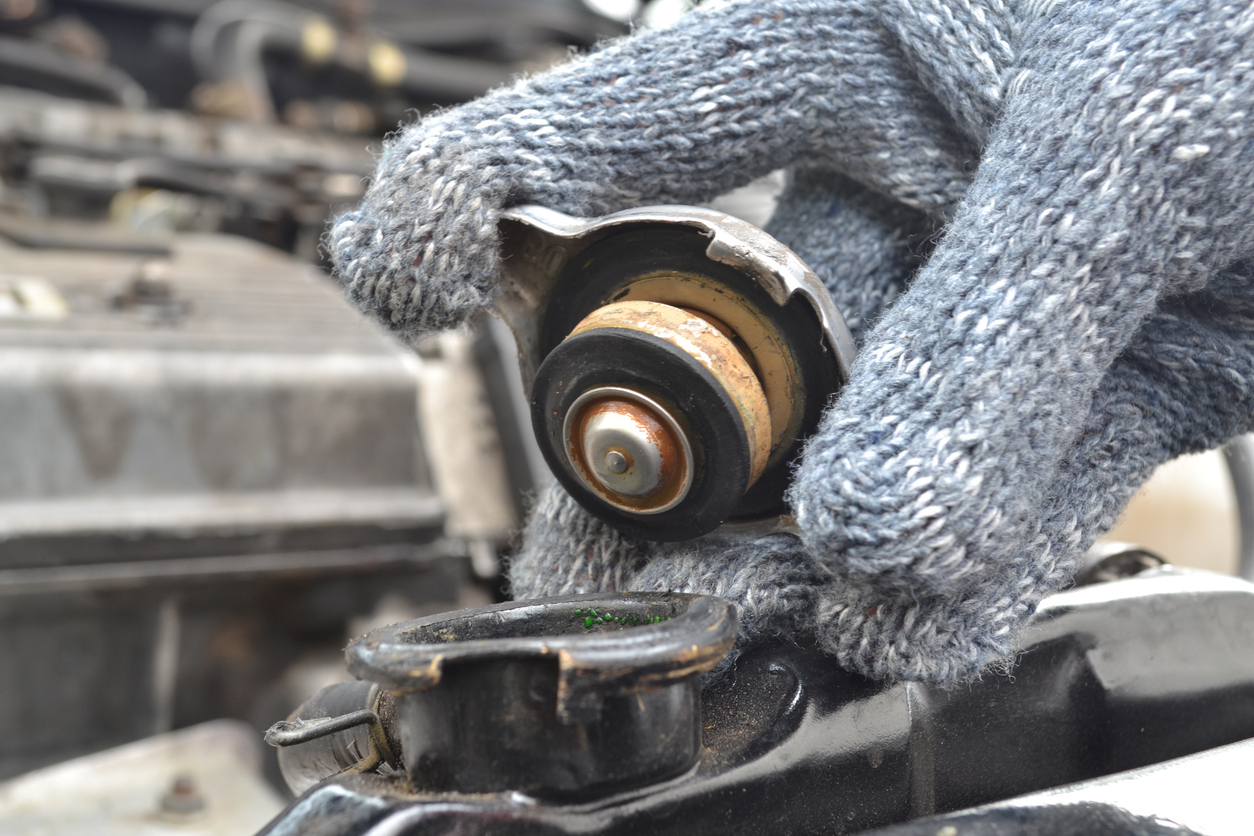
A radiator cap is more than a cover that prevents coolant from spilling. In a conventional pressurized cooling system, the cap contains a spring-loaded pressure valve that helps maintain the manufacturer’s specified operating pressure.
Increasing system pressure raises the coolant’s boiling point, allowing the cooling system to manage engine heat more effectively. Many conventional caps also include a vacuum or return valve that allows coolant to move back from an overflow reservoir as the system cools.
Not every vehicle uses a pressure cap directly on the radiator. Some modern vehicles use a pressurized expansion tank with a specially designed cap. The operating principle is similar, but the component’s location and service procedure can differ.
What Are the Most Common Bad Radiator Cap Symptoms?
A failing cap may produce several warning signs, although these symptoms can also indicate other cooling-system problems.
| Symptom | Possible explanation |
|---|---|
| Coolant leaking near the cap | Damaged seal, sealing surface, or pressure-control problem |
| Coolant loss without an obvious hose leak | Coolant may escape through the cap or overflow system |
| Engine overheating | Inadequate pressure may contribute to boiling or coolant loss |
| Unusual reservoir level changes | Pressure or vacuum-return function may be faulty |
| Dried coolant residue around the filler neck | Coolant may have escaped during operation |
These bad radiator cap symptoms are diagnostic clues, not proof that the cap is defective. A technician should also consider other possible causes, including coolant leaks, thermostat problems, air trapped in the system, and radiator or cooling-fan faults.
Why Does Radiator Cap Pressure Matter in Cold Weather?
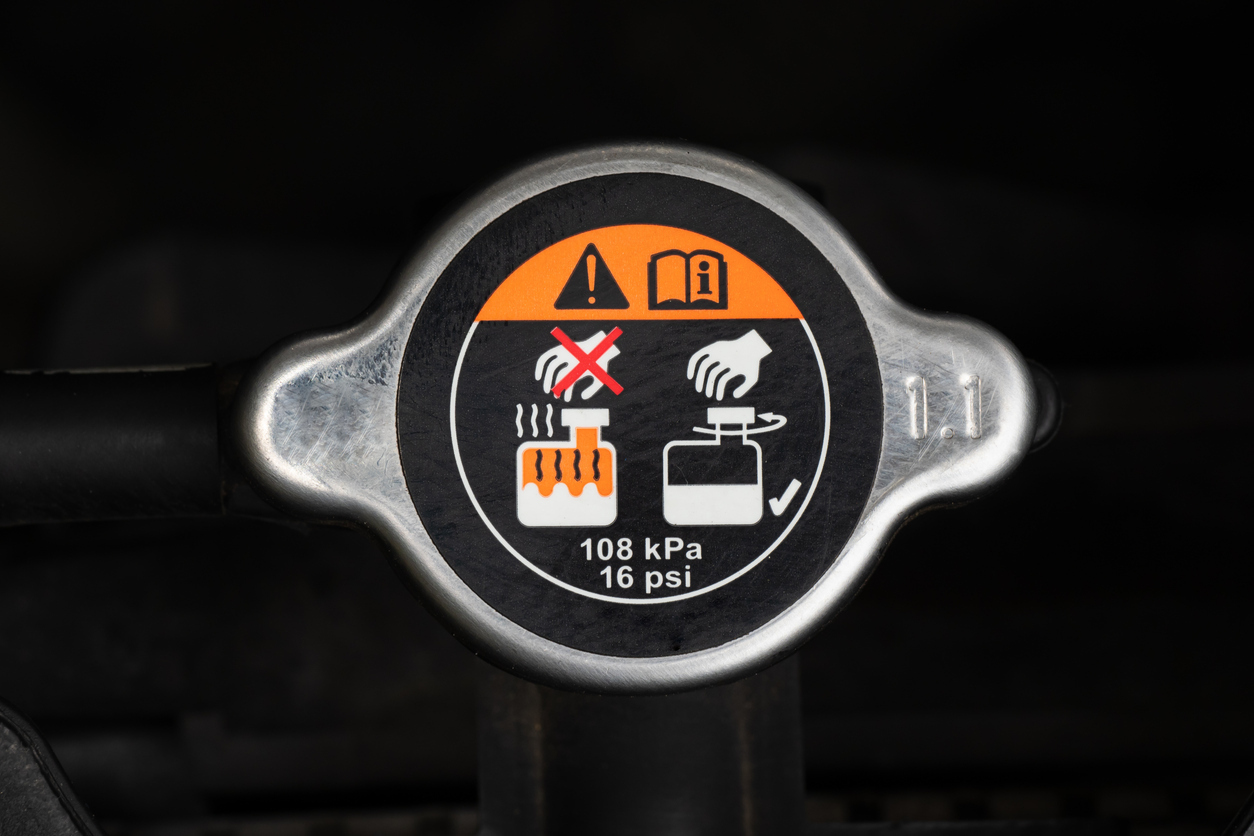
The purpose of radiator cap pressure is to help the cooling system operate within its intended pressure range. When coolant is pressurized, its boiling point increases. If the cap opens too early or cannot maintain pressure, coolant may boil at a lower temperature than intended.
This can contribute to coolant loss, air entering the system, and engine overheating. Winter temperatures do not prevent these problems because the engine still reaches normal operating temperatures.
Cold weather may also expose existing weaknesses in seals and connections as components experience repeated heating and cooling cycles. Technicians must therefore check cooling-system pressure alongside coolant concentration, condition, and freeze protection. A properly functioning cap is only one part of a reliable cooling system.
Can a Faulty Coolant Reservoir Cap Cause Similar Problems?
Yes, but the answer depends on the vehicle’s cooling-system design. Some vehicles have an unpressurized overflow reservoir with a simple cover. Others use a pressurized expansion tank whose cap performs the pressure-regulating function.
On a pressurized system, coolant reservoir cap symptoms may resemble those of a faulty radiator cap, including leaks, coolant loss, and overheating. A damaged expansion-tank cap seal may prevent the system from maintaining its intended pressure.
However, an unpressurized overflow reservoir cover does not serve the same pressure-control function. Before diagnosing the cap, technicians should identify the system layout and consult the manufacturer’s service information.
How Do Technicians Perform a Radiator Cap Test?
A radiator cap test checks whether the cap maintains and releases pressure according to the manufacturer’s specifications. The procedure must be performed with the engine and cooling system fully cooled.
A typical inspection involves:
- Confirm the correct cap: Identify the vehicle’s required pressure rating and cap design.
- Inspect the seals: Look for cracking, hardening, deformation, or other visible damage.
- Check the filler neck or expansion tank: Examine sealing surfaces for damage or contamination.
- Use the correct tester: Attach the cap to a compatible pressure-testing adapter.
- Apply pressure gradually: Follow the tester and vehicle manufacturer’s instructions.
- Compare the result: Determine whether the cap holds and releases pressure within the specified range.
- Check related components: Investigate additional cooling-system faults if the cap passes testing.
A cap that fails to maintain the specified pressure may need replacement. Technicians should never substitute a higher-pressure cap simply to stop coolant loss. Excessive pressure can place unnecessary stress on hoses, radiators, and other components.
Why Is Cooling-System Pressure Testing a Safety Concern?
Cooling systems can remain pressurized long after the engine has been switched off. Removing a radiator or expansion-tank pressure cap while the system is hot can release boiling coolant and steam, causing serious burns.
Technicians must allow the system to cool fully before opening it and follow the manufacturer’s recommended depressurization procedure. Other important precautions include using appropriate protective equipment, inspecting test equipment before use, and avoiding pressure above the specified limit.
Coolant should also be handled and disposed of according to applicable safety and environmental requirements. These precautions demonstrate why automotive training emphasizes safe inspection practices alongside technical diagnosis.
What Should Technicians Check If the Cap Passes Testing?
If a pressure cap meets its specifications, technicians should continue investigating rather than replacing it without evidence. Depending on the complaint, further checks may include:
- Inspecting hoses, clamps, radiator seams, and the expansion tank for leaks.
- Pressure-testing the cooling system using approved procedures.
- Checking coolant concentration and level.
- Evaluating thermostat operation.
- Inspecting cooling-fan operation.
- Checking for trapped air or other circulation problems.
For example, a driver may report that coolant disappears during winter driving. If the cap passes its pressure test, a small leak elsewhere in the system may become apparent during a controlled cooling-system pressure test.
Good diagnosis means following the evidence instead of assuming that one symptom identifies one faulty part. Explore ATC Toronto’s programmes to learn more about vehicle maintenance, troubleshooting, and the skills associated with modern auto careers.
How Does Cooling-System Diagnosis Connect to Automotive Careers?
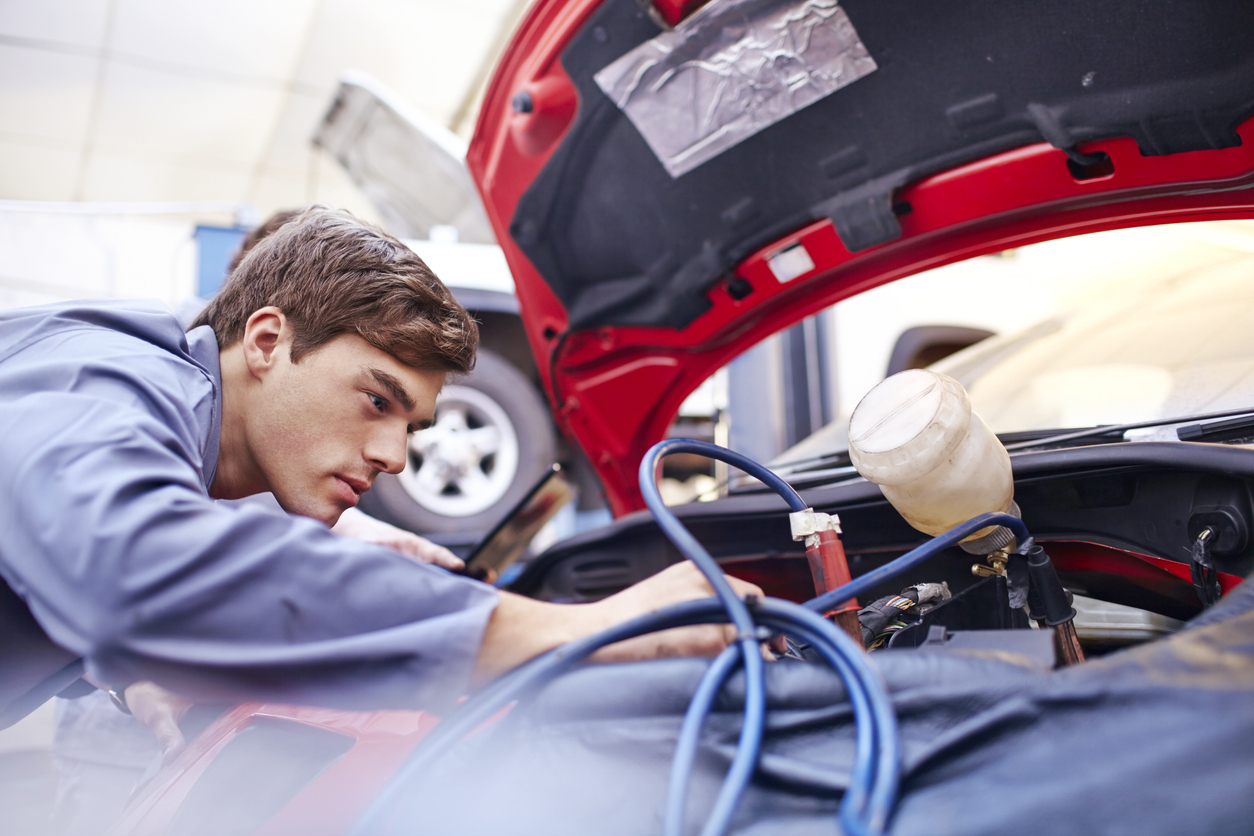
Cooling-system inspections teach future technicians to understand how components interact. A radiator cap problem involves pressure, temperature, sealing surfaces, and the physical properties of coolant.
Identifying the cause of overheating or coolant loss requires careful observation, correct testing procedures, and the ability to interpret results. The same diagnostic approach applies across many systems: understand how a component should work, test it safely, and confirm the findings before recommending repairs.
Explore Automotive Training at ATC Toronto
A small cooling-system component can have a significant effect on engine performance and reliability. Understanding how to inspect and test a radiator cap is one example of the technical knowledge required in professional automotive service.
Would you like to explore automotive training options at our auto mechanic school?
Contact ATC Toronto for more information.
Key Takeaways
- Common bad radiator cap symptoms include coolant leaks, coolant loss, overheating, and unusual reservoir level changes.
- A radiator cap helps regulate cooling-system pressure and raise the coolant’s boiling point.
- Some vehicles use pressurized expansion-tank caps instead of radiator-mounted pressure caps.
- A faulty cap can contribute to overheating even during cold weather.
- Technicians should verify the correct cap pressure rating and inspect seals before testing.
- Pressure testing must follow manufacturer specifications and appropriate safety procedures.
- Never remove a cooling-system pressure cap while the engine or coolant is hot.
- A passing cap test means technicians should investigate other possible causes of coolant loss or overheating.
FAQ
What are the symptoms of a bad radiator cap?
Common symptoms include coolant leaking around the cap, unexplained coolant loss, overheating, and unusual changes in coolant reservoir levels. Dried coolant residue near the cap may also indicate leakage. These symptoms can have other causes, so testing is needed to confirm the problem.
Can a bad radiator cap cause coolant loss?
Yes. A cap with a damaged seal or faulty pressure valve may allow coolant to escape. In some systems, a defective vacuum-return valve can also interfere with coolant returning from the overflow reservoir as the engine cools.
How do technicians pressure-test a radiator cap?
With the cooling system fully cooled, technicians inspect the cap, attach it to a compatible pressure tester, and gradually apply pressure according to the equipment manufacturer’s instructions. They compare the cap’s pressure-holding and release behaviour with the vehicle manufacturer’s specifications.
Can a bad cap cause engine overheating?
Yes. A faulty cap may prevent the cooling system from maintaining its intended pressure, reducing the coolant’s boiling point and potentially contributing to coolant loss or overheating. However, overheating can also result from leaks, thermostat faults, circulation problems, or cooling-fan issues.


