
PCV Valve Problems: Oil Consumption, Rough Idle, and Vacuum Leak Clues
In Brief: Bad PCV Valve Symptoms
Common bad PCV valve symptoms can include rough idle, unusual oil consumption, vacuum-related drivability problems, and abnormal crankcase pressure. Because similar symptoms can come from other engine faults, technicians inspect the PCV valve, hoses, vacuum behaviour, and related components before recommending replacement.
A rough idle and rising oil consumption might seem like two separate problems. Sometimes, however, they can lead technicians toward the same relatively small part of the engine: the positive crankcase ventilation (PCV) system.
Understanding bad PCV valve symptoms is useful for future technicians because a PCV problem can resemble several other engine concerns. Students at our auto mechanic school in Surrey can develop the diagnostic habits needed to connect symptoms with inspections and test results rather than replacing a component based on guesswork.
What does a PCV valve do?
Some combustion gases can escape past the piston rings and enter the crankcase during normal engine operation. The PCV system helps route these gases back toward the intake so they can be burned rather than allowing pressure and vapours to accumulate in the crankcase.
The exact PCV valve function and system design vary between vehicles. Some engines use a conventional replaceable valve, while others integrate crankcase ventilation components into larger assemblies.
That variation matters during diagnosis. Technicians need to understand the specific system before deciding that one component is responsible for the complaint.
What Happens With a PCV Valve Stuck Open?
A PCV valve stuck open may allow more airflow through the crankcase ventilation system than intended. Cars.com explains that a failed PCV valve may become stuck open or closed, which can contribute to rough idle, oil consumption, check engine warnings, or crankcase pressure concerns. Depending on the engine design, this can behave similarly to a vacuum leak.
The driver might notice a rough or unstable idle, unusual engine behaviour, or a warning light. Fuel-trim readings and diagnostic trouble codes may also provide clues when unwanted air affects the engine’s air-fuel calculations.
During our Automotive Service Technician Foundation program, students learn why symptoms need context. A rough idle alone does not confirm PCV failure because intake leaks, ignition problems, fuel-delivery faults, and other conditions can produce similar behaviour.
What Happens With a PCV Valve Stuck Closed?
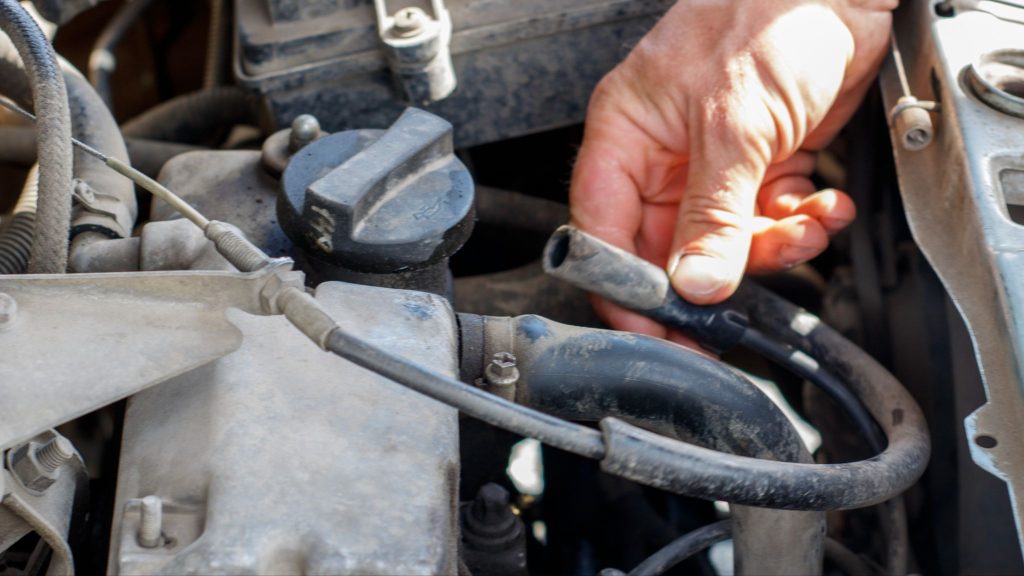
A PCV valve stuck closed, restricted hose, or blocked passage creates a different problem. Instead of allowing crankcase gases to move through the ventilation system correctly, the restriction can contribute to excessive crankcase pressure.
That pressure may encourage oil to move through seals or other vulnerable areas. Technicians may therefore investigate the PCV system when faced with oil leaks, abnormal pressure, or other signs that crankcase ventilation isn’t working as designed.
Again, the goal is to establish cause and effect rather than assuming every oil leak points to a failed PCV valve.
Can a bad PCV Valve Cause Excessive Oil Consumption??
They can. Certain PCV system faults may allow excessive oil mist or vapour to enter the intake, potentially contributing to increased oil consumption.
However, excessive oil use has many possible causes. Internal engine wear, leaks, turbocharger concerns on applicable vehicles, and other mechanical problems may also need consideration.
This is why students taking an auto mechanic course need a systematic approach. Oil consumption is a symptom to investigate, not a diagnosis by itself.
How Do Technicians Test a PCV Valve?
PCV diagnosis depends on vehicle design, so there isn’t one universal test for every engine. A technician may begin by visually inspecting the valve, hoses, connections, and related components for damage, restrictions, contamination, or obvious leaks.
Depending on manufacturer procedures, further checks may include evaluating crankcase pressure or vacuum, observing engine behaviour, reviewing diagnostic trouble codes, and examining scan-tool fuel-trim data.
Technicians can also consider whether symptoms change when the PCV system is tested according to approved service procedures. Manufacturer specifications remain important because modern systems can be more complex than a simple standalone valve.
Bad PCV Valve Symptoms: Why Vacuum Leak Clues Matter
A PCV fault can be particularly interesting diagnostically because it connects the crankcase ventilation and intake systems. When airflow moves through the system incorrectly, engine-management data may reveal the effect even when the failed component isn’t immediately obvious.
Fuel trims, idle behaviour, unusual noises, and vacuum readings can therefore help technicians build a stronger diagnostic picture.
The important skill is combining these clues. One unusual scan reading may not prove anything, but several related findings can point technicians toward the right system.
What Determines PCV Valve Replacement Cost?
PCV valve replacement cost depends heavily on vehicle design. A simple, accessible valve may be relatively straightforward to replace, while another vehicle may integrate ventilation components into a valve cover or other assembly. Labour requirements can therefore differ considerably.
For future technicians, this reinforces a fundamental principle: estimate the repair only after identifying what has actually failed. Correct diagnosis protects customers from unnecessary parts replacement and helps repair shops provide more accurate recommendations.
Would you like to explore training options at our auto mechanic school in Surrey?
Contact ATC Surrey for more information.
Key Takeaways
- Bad PCV valve symptoms may include rough idle, oil consumption, vacuum-related drivability concerns, and abnormal crankcase pressure.
- The PCV valve function is connected to managing crankcase gases and pressure.
- A PCV valve stuck open may create symptoms resembling a vacuum leak.
- A PCV valve stuck closed or a restricted system may contribute to excessive crankcase pressure.
- Oil consumption alone does not prove that the PCV system has failed.
- Technicians combine inspections, vacuum or pressure checks, scan data, and manufacturer procedures before recommending repairs.
FAQ
What does a PCV valve do?
The PCV system helps manage gases that enter the crankcase during engine operation by directing them back toward the intake to be burned. It also helps control crankcase pressure.
Can a bad PCV valve cause excessive oil consumption?
Yes, certain PCV system faults can contribute to oil entering the intake and increased oil consumption. However, technicians should investigate other possible causes before confirming the PCV system as the source.
What are the symptoms of a bad PCV valve?
Possible symptoms include rough idle, unusual oil consumption, oil leaks, abnormal crankcase pressure, warning lights, and drivability problems associated with unwanted airflow.
How do technicians test a PCV valve?
Testing varies by vehicle. Technicians may inspect the PCV valve and hoses, evaluate crankcase pressure or vacuum, review fuel trims and diagnostic codes, and follow manufacturer-specific testing procedures.