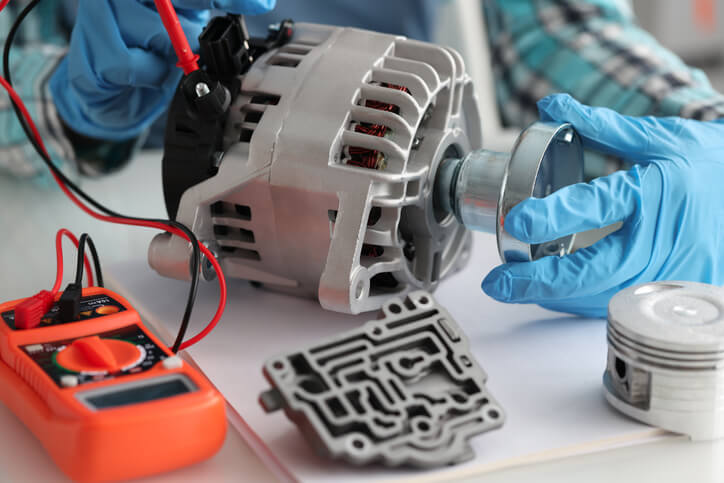
Bad Alternator Symptoms: What Techs Look For and How Charging Tests Work
TL;DR
Bad alternator symptoms often include dim lights, warning lights on the dashboard, electrical issues, and difficulty starting the vehicle. The alternator is responsible for charging the battery and powering electrical systems while the engine runs. Technicians confirm alternator problems by testing charging voltage, inspecting wiring, and verifying battery condition.
Modern vehicles rely heavily on electrical systems. From ignition components to sensors and infotainment systems, nearly every part of a vehicle depends on a steady power supply.
That power comes from the charging system, and the alternator plays a central role in keeping everything running. When an alternator begins to fail, drivers may notice several warning signs before the vehicle eventually stops running.
Understanding bad alternator symptoms helps technicians diagnose charging system problems quickly and accurately. This blog post explains the most common bad alternator symptoms, how technicians diagnose them, and why charging system testing matters.
What Does an Alternator Do?
Before diagnosing charging system problems, it helps to understand what an alternator does.
The alternator is responsible for generating electricity while the engine is running. It performs two main functions:
- Charging the vehicle’s battery
- Supplying electrical power to the vehicle’s systems
When the engine turns, the alternator produces electrical energy that keeps the battery charged and powers components such as lights, sensors, and control modules.
Without a functioning alternator, the battery becomes the vehicle’s only source of electricity. Eventually, the battery will drain, and the engine will stall. What happens if you keep driving with a failing alternator? If the alternator fails, the vehicle will rely solely on battery power. Once the battery is drained, the engine will stall, and the vehicle will no longer run.
What Are the Most Common Bad Alternator Symptoms?
There are several signs of a bad alternator that technicians watch for when diagnosing charging system issues.
Common symptoms include:
Dim or Flickering Lights
Headlights or dashboard lights may appear dim or fluctuate in brightness. This often occurs when the alternator cannot maintain a consistent voltage.
Warning Lights on the Dashboard
Many vehicles illuminate a battery or charging system warning lamp when the alternator stops producing proper voltage.
Weak or Difficult Starts
A failing alternator may not fully recharge the battery, causing the vehicle to struggle when starting.
Electrical System Malfunctions
Drivers may notice issues such as:
- Power windows are moving slowly
- Infotainment systems resetting
- Dashboard gauges are behaving erratically
These electrical irregularities are common signs of bad alternator performance.
Strange Noises
Worn bearings or internal components may cause grinding or whining sounds coming from the alternator.
How do you tell the difference between a bad alternator and a bad battery? Technicians measure battery voltage and charging voltage. If the battery tests good but charging voltage remains low while the engine runs, the alternator may be failing.
Through hands-on learning in our automotive service technician program, students gain practical experience identifying signs of a bad alternator and other charging system problems.

How Do Technicians Test the Charging System?
Diagnosing bad alternator symptoms involves more than simply replacing parts. Technicians perform several tests to confirm the source of the problem.
Visual Inspection
The first step is checking for obvious issues such as:
- Loose or corroded battery terminals
- Damaged wiring
- A worn or broken serpentine belt
A slipping belt can prevent the alternator from spinning fast enough to generate power.
Battery Voltage Test
Technicians measure the battery’s voltage with the engine off.
A healthy battery typically reads around:
- 12.6 volts
This confirms whether the battery itself is functioning properly.
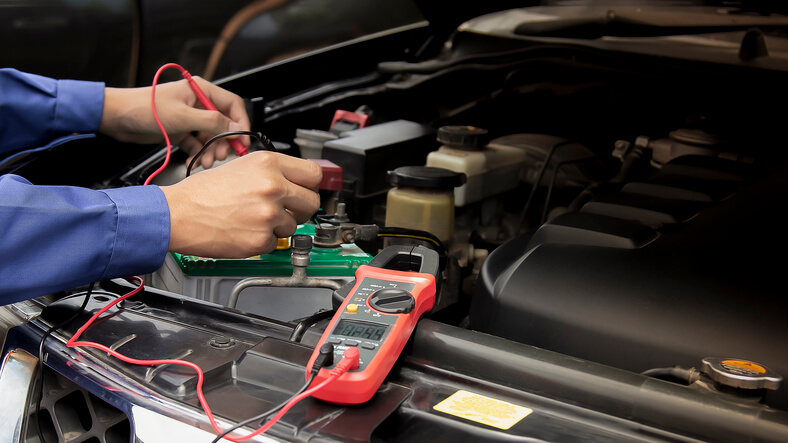
Charging Voltage Test
With the engine running, technicians measure voltage again.
A properly working alternator usually produces between:
- 13.7 and 14.7 volts
If the voltage remains near 12 volts, the alternator may not be charging the battery.
Electrical Load Testing
Technicians may also test the charging system under load by turning on headlights, defrosters, and other electrical accessories.
If the voltage drops significantly during these tests, the alternator may be failing.
Why Charging System Diagnosis Matters
Modern vehicles rely on stable voltage for sensors, computers, and communication networks. Understanding vehicle electrical systems and safety standards in Canada helps technicians see how critical reliable electrical power is for safe vehicle operation.
Even small voltage fluctuations can cause performance issues or warning lights. Students attending our auto mechanic school in Surrey learn how to diagnose charging systems using multimeters, scan tools, and electrical testing procedures.
Completing an auto mechanic course that includes electrical diagnostics helps technicians build the skills needed for long-term success in modern automotive repair.
Are you looking for a comprehensive auto mechanic course?
Contact ATC Surrey for more information.
Key Takeaways
- Bad alternator symptoms often include dim lights, warning lights, and weak starts.
- The alternator powers electrical systems and charges the battery while the engine runs.
- Technicians diagnose alternator problems using voltage and load tests.
- Charging system issues can cause multiple electrical problems.
- Proper training helps technicians accurately diagnose electrical system faults.
FAQ
What are the most common signs of a bad alternator?
Common signs include dim headlights, a battery warning light on the dashboard, difficulty starting the vehicle, and electrical system malfunctions.
How do you tell the difference between a bad alternator and a bad battery?
Technicians measure battery voltage and charging voltage. If the battery tests good but charging voltage remains low while the engine runs, the alternator may be failing.
What happens if you keep driving with a failing alternator?
If the alternator fails, the vehicle will rely solely on battery power. Once the battery is drained, the engine will stall, and the vehicle will no longer run.