Automotive Electrical Careers: How EVs Are Changing Technician Skills
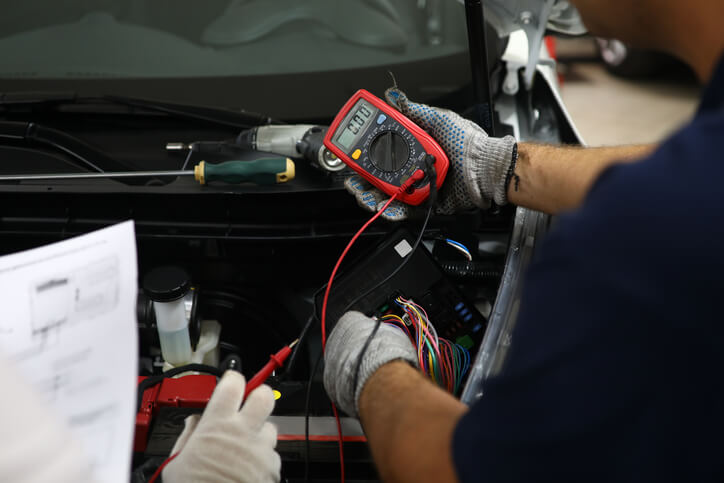
Electric and hybrid vehicles are changing what employers look for in new technicians. While mechanical knowledge remains essential, the ability to diagnose wiring faults, interpret scan tool data, and safely work around high-voltage systems is becoming equally valuable.
For anyone interested in becoming an automotive electrician, this shift creates exciting career opportunities. Understanding how electrical systems, sensors, and control modules work not only prepares you to service EVs but also equips you to diagnose many of the electronic systems found in conventional vehicles.
TL;DR
What Skills Does an Automotive Electrician Need?
An automotive electrician needs a strong understanding of electrical circuits, wiring diagrams, sensors, control modules, diagnostic tools, and safe repair procedures.
Modern technicians regularly work with:
- Electrical wiring and connectors
- Batteries and charging systems
- Electronic control modules
- Vehicle communication networks
- Digital scan tools
- High-voltage safety procedures
At our auto mechanic school in Surrey, students learn that successful diagnosis requires logical thinking and careful testing rather than simply replacing components.
How Are EVs Changing Automotive Electrical Work?
EVs are increasing the importance of electrical diagnostics because they rely on sophisticated electronic systems, battery management, and high-voltage components.
Unlike traditional vehicles, electric vehicles depend heavily on electrical communication between sensors, inverters, battery management systems, and control modules.
This growing technology is creating greater demand for technicians who understand both conventional vehicle systems and EV technology. Students completing a hybrid technology training course develop knowledge of high-voltage systems, safety procedures, and the specialized tools used when servicing hybrid and electric vehicles.
Do Mechanics Need to Understand Wiring and Modules?
Yes. Modern mechanics must understand wiring and electronic control modules because nearly every vehicle system depends on them.
Many warning indicators, including the electronic throttle light, electronic throttle warning light, or dashboard lightning bolt symbol, can result from communication problems between sensors and control modules rather than mechanical failures alone.
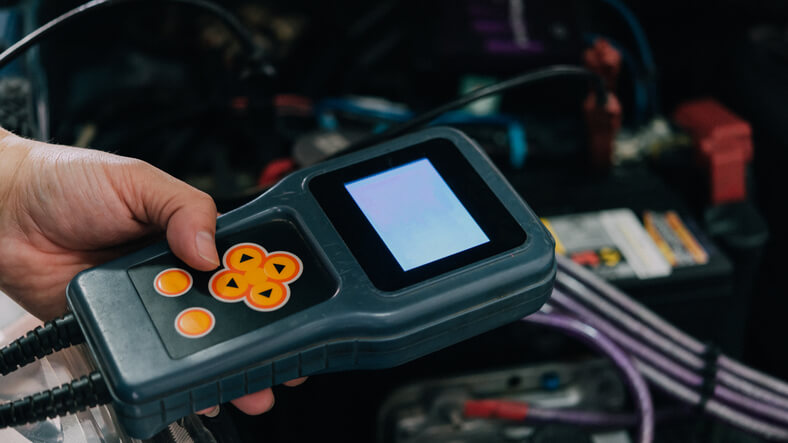
Technicians use wiring diagrams, digital multimeters, scan tools, and manufacturer service information to identify faults accurately. Understanding how electronic systems interact helps reduce unnecessary parts replacement and improve repair efficiency.
Is Electrical Diagnosis Important for EV Mechanic Training?
Yes. Electrical diagnosis is one of the most important skills future EV technicians can develop.
A hybrid and electric vehicle mechanic may troubleshoot battery systems, charging circuits, regenerative braking components, electric motors, or communication networks. Safe handling of high-voltage systems is also essential.
Students pursuing automotive careers benefit from learning systematic diagnostic procedures early. Strong electrical knowledge not only prepares technicians for today’s vehicles but also helps them adapt as automotive technology continues to evolve.

Preparing for the Future of Automotive Service
The automotive industry is changing rapidly, and electrical expertise is becoming one of the most valuable skills a technician can have. As vehicles continue to integrate more electronic systems, opportunities for trained professionals will continue to grow.
Whether you’re interested in conventional vehicles or planning to become an EV specialist, developing the skills of an automotive electrician provides a strong foundation for a successful and future-focused career.
Are you looking for a comprehensive hybrid technology training course?
Contact ATC Surrey for more information.
Key Takeaways
- An automotive electrician diagnoses and repairs modern vehicle electrical systems.
- EV technology is increasing the demand for technicians with electrical and electronic diagnostic skills.
- Wiring, sensors, and control modules are essential components of modern vehicle operation.
- Warning indicators, such as the electronic throttle light, may require advanced electrical diagnosis.
- High-voltage safety is an important part of hybrid and EV servicing.
- Hands-on training helps prepare students for careers in modern automotive technology.
FAQ
What Skills Does an Automotive Electrician Need?
An automotive electrician needs knowledge of electrical circuits, wiring, sensors, control modules, diagnostic tools, and safe repair procedures.
How Are EVs Changing Automotive Electrical Work?
EVs are increasing the importance of electrical diagnostics because they rely heavily on battery systems, electronic controls, and high-voltage components.
Do Mechanics Need to Understand Wiring and Modules?
Yes. Modern vehicle systems depend on wiring and electronic control modules, making electrical knowledge essential for accurate diagnosis.
Is Electrical Diagnosis Important for EV Mechanic Training?
Yes. Electrical diagnosis is one of the most important skills future EV technicians need because modern vehicles rely extensively on electronic systems.