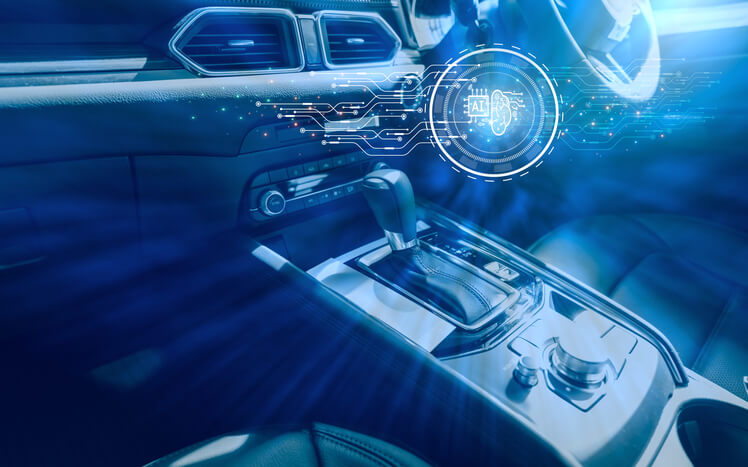
Today’s auto mechanic systems are more connected than ever before. From GPS and infotainment systems to Bluetooth and mobile apps, cars now rely on software just as much as they do on hardware.
But this connectivity comes at a price: cybersecurity risks.
This blog explores the growing importance of automotive cybersecurity, how it’s impacting the auto repair industry, and why anyone considering a career as a mechanic should be aware of it.
What Is Automotive Cybersecurity?
Automotive cybersecurity is about protecting the software, sensors, and communication systems inside a vehicle from hackers or unauthorized access.
With vehicles now linked to Wi-Fi, smartphones, and cloud-based diagnostics, cyberattacks can come from anywhere, not just a physical tool or wire. Researchers have demonstrated ways to:
- Hack into a car’s central locking system
- Disable GPS navigation or infotainment
- Access steering or braking functions through connected modules
What was once considered sci-fi is now a real concern in the automotive world.

Why Does Cybersecurity Matter for Mechanics?
Automakers are investing heavily in cybersecurity, developing firewalls, encrypted software, and regular system updates. Governments in Canada and around the world are also beginning to enforce cybersecurity standards for new vehicles.
That means the automotive repair industry needs to adapt as well. While most cybersecurity fixes are handled by manufacturers, technicians need to understand the types of systems they’re working with. As even a small oversight could lead to a bigger issue down the line.

Why Auto Mechanics Should Stay Informed
Even if you’re not writing code or building security software, as an auto mechanic, you’re interacting with many of the systems that could be affected by cyber threats. From diagnostic tools to electronic control units (ECUs), the role of the technician is evolving.
Being aware of cybersecurity challenges can help you:
- Recognize red flags in customer complaints
- Handle vehicles with connected tech more carefully
- Follow best practices when using digital scan tools
- Understand why updates, patches, and reprogramming matter
At auto mechanic school, your focus will be mechanical, but staying informed about digital trends can help you prepare for the consistent industry technological advancements.
How the Industry Is Responding
The automotive industry is quickly adapting to the need for stronger cybersecurity. Automakers are investing in encryption, over-the-air (OTA) update systems, and internal firewalls to protect vehicle systems. Governments are also stepping in; new regulations are being developed in Canada and globally to ensure cybersecurity compliance in the transportation sector.
For auto mechanic students, this means one thing: being digitally fluent is no longer optional. As vehicles evolve, so must the skillset of those who repair and maintain them.
How ATC Cambridge Gives You the Edge
As vehicles continue to evolve, so will the skills needed in the shop. Today’s automotive training still covers the fundamentals: brakes, engines, diagnostics, and repair. But tomorrow’s technicians will likely need to know a little more about how those systems interact with technology, data, and wireless networks.
By staying curious and up to date on topics like automotive cybersecurity, you’ll be one step ahead in a rapidly changing industry. ATC Cambridge’s hands-on training, with passionate instructors and comprehensive student services, sets you up for success from day one.
Are you interested in beginning a comprehensive automotive training?
Contact ATC Cambridge today.