Auto Electrician Skills: Why EV Mechanics Need Strong Electrical Basics
TL;DR: A Summary of Modern Auto Electrician Skills
An auto electrician diagnoses and repairs the electrical systems that power today’s vehicles. As hybrid and electric vehicles become more common, technicians need a solid understanding of wiring, sensors, control modules, and high-voltage safety. Building these skills helps future technicians diagnose problems accurately and prepare for the next generation of automotive technology.
Every time a warning light appears, a sensor stops communicating, or a vehicle develops an electrical fault, technicians rely on more than mechanical knowledge to find the cause. They use diagnostic tools, wiring diagrams, and systematic testing to identify problems quickly and safely.
If you’re interested in becoming an auto electrician or a hybrid and electric vehicle mechanic, strong electrical fundamentals provide a valuable foundation for long-term success.
What Does an Auto Electrician Do?
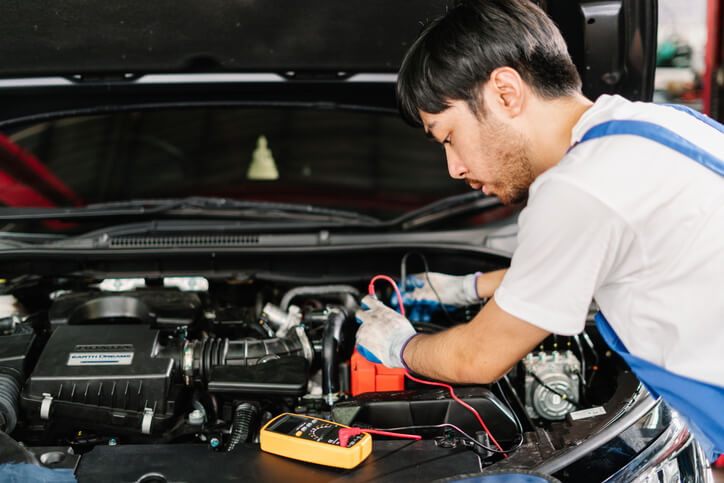
An auto electrician diagnoses, repairs, and maintains the electrical and electronic systems found in modern vehicles.
Common responsibilities include:
- Testing batteries and charging systems
- Diagnosing wiring faults
- Repairing electrical circuits
- Troubleshooting sensors and control modules
- Using scan tools to interpret diagnostic trouble codes
- Verifying repairs after testing
As vehicles become more electronically controlled, the role of an automotive electrician continues to expand beyond traditional wiring repairs.
Why Do EV Mechanics Need Electrical Skills?
EV mechanics need electrical skills because electric and hybrid vehicles depend on high-voltage batteries, electric motors, sophisticated control modules, and electronic communication systems.
Unlike conventional vehicles, EVs rely heavily on electrical components to operate the powertrain, manage battery performance, and monitor vehicle safety.
Students taking our hybrid technology training course learn how high-voltage systems operate, how to isolate electrical faults safely, and why following proper mechanic safety procedures is essential whenever servicing hybrid or electric vehicles.
Is Automotive Electrical Work Part of Mechanic Training?
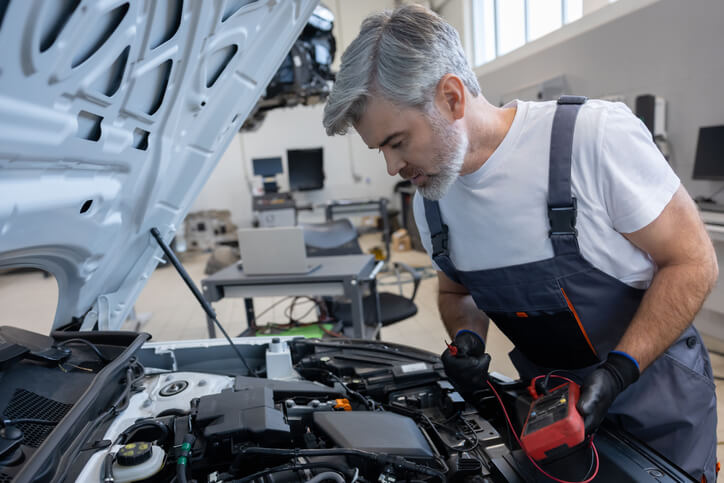
Yes. Modern mechanic training includes electrical diagnostics, electronic systems, scan tool operation, and safe testing procedures.
Students at our auto mechanic school in Surrey develop practical experience working with:
- Wiring diagrams
- Digital multimeters
- Electrical circuits
- Sensors and actuators
- Electronic control modules
- Computer-based diagnostic equipment
These skills complement traditional mechanical training and prepare graduates to diagnose today’s increasingly sophisticated vehicles.
How Can Technicians Build Confidence With Electrical Diagnosis?
Technicians build confidence through structured training, hands-on practice, and a systematic approach to troubleshooting.
Rather than replacing parts based on assumptions, experienced technicians gather information, test circuits, verify signals, and confirm repairs before returning a vehicle to the customer.
Students who want to know how to become a car technician often discover that strong diagnostic habits are just as valuable as mechanical ability. Budding mechanics benefit even more from developing these electrical skills early in their training.

Building Skills for Tomorrow’s Automotive Industry
Electrical systems continue to play a larger role in vehicle performance, safety, and diagnostics. From conventional gasoline vehicles to fully electric models, technicians who understand electrical fundamentals are well-positioned for a wide range of automotive careers.
By building the knowledge and confidence of an auto electrician, students prepare themselves to diagnose modern vehicles safely, accurately, and efficiently as automotive technology continues to evolve.
Do you want to become a hybrid and electric vehicle mechanic?
Contact ATC Surrey for more information.
Key Takeaways
- An auto electrician diagnoses and repairs vehicle electrical and electronic systems.
- Hybrid and electric vehicles make electrical diagnostic skills more valuable than ever.
- Understanding the powertrain, sensors, wiring, and control modules helps technicians solve complex problems.
- Strong mechanic safety habits are essential when working around high-voltage systems.
- Practical training helps students build confidence with electrical diagnosis.
- A Hybrid technology training course prepares future technicians for evolving vehicle technology.
FAQ
What Does an Auto Electrician Do?
An auto electrician diagnoses, repairs, and maintains vehicle electrical systems, including wiring, batteries, sensors, and electronic control modules.
Why Do EV Mechanics Need Electrical Skills?
EV mechanics need electrical skills because hybrid and electric vehicles rely heavily on high-voltage electrical systems, batteries, and electronic controls.
Is Automotive Electrical Work Part of Mechanic Training?
Yes. Automotive training includes electrical diagnostics, wiring, electronic systems, and the safe use of diagnostic equipment.
How Can Technicians Build Confidence With Electrical Diagnosis?
Technicians build confidence through hands-on practice, structured training, systematic testing, and experience using professional diagnostic tools.