ADAS Calibration: An Essential Skill for Tomorrow’s Auto Technicians
TL;DR
ADAS calibration is now a required skill in modern repair shops. As advanced driver assistance systems become standard in vehicles, technicians must understand camera and radar calibration, sensor alignment, and post-collision procedures. Training that includes diagnostics and calibration workflows is essential for long-term success in today’s auto careers.
Modern vehicles are increasingly dependent on electronics, sensors, and integrated safety systems. Advanced driver assistance systems (ADAS) are no longer limited to luxury models. They are standard across many vehicle segments.
That shift means ADAS calibration has become part of routine repair work. Technicians entering the industry must understand how these systems operate and how proper calibration protects both drivers and repair facilities.
What Are Advanced Driver Assistance Systems?
What is ADAS in modern vehicles? Advanced driver assistance systems are safety technologies designed to enhance driver awareness and reduce collision risk.
Common systems include:
- Forward collision warning
- Automatic emergency braking
- Lane departure warning and lane-keep assist
- Adaptive cruise control
- Blind spot monitoring
- Rear cross-traffic alert
These systems rely on cameras, radar sensors, ultrasonic sensors, and control modules that constantly interpret environmental data. When components are replaced, adjusted, or disturbed, calibration ensures those systems function accurately.
Why do Sensors And Cameras Need Calibration After Car Repairs?
Repairs such as windshield replacement, bumper removal, or alignment work can alter sensor positioning. Calibration restores system accuracy.Calibration is often required after:
- Windshield replacement
- Bumper removal or replacement
- Collision repair
- Suspension repairs
- Wheel alignment
- Radar or camera replacement
Even minor structural changes can alter sensor positioning. A small shift in angle can impact how a vehicle detects distance, lane markings, or obstacles.
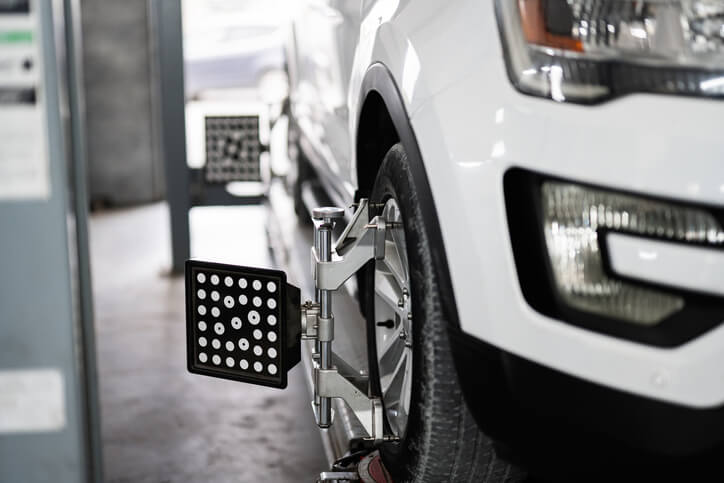
Without proper camera and radar calibration:
- Emergency braking systems may misjudge distance
- Lane-keep systems may drift or overcorrect
- Warning systems may trigger incorrectly
- Liability risk increases for repair facilities
Automotive school students explore how ADAS calibration restores manufacturer-specified accuracy.
Which Systems in Cars Require Calibration (Cameras, Radar, etc.)? Forward-facing cameras, radar modules, ultrasonic sensors, and steering angle sensors often require calibration after service or collision repair.
Static and Dynamic Calibration Methods
There are two primary calibration approaches used in modern shops.
Static Calibration
- Performed inside the shop
- Uses specialized targets and measurement tools
- Requires precise vehicle positioning
- Follows strict OEM specifications
Dynamic Calibration
- Performed during controlled road tests
- Requires specific speeds and environmental conditions
- Scan tools confirm completion
Some vehicles require one method. Others require both.Technicians must follow manufacturer procedures exactly throughout their auto careers. Calibration is precision-based work that depends on proper setup and documentation.
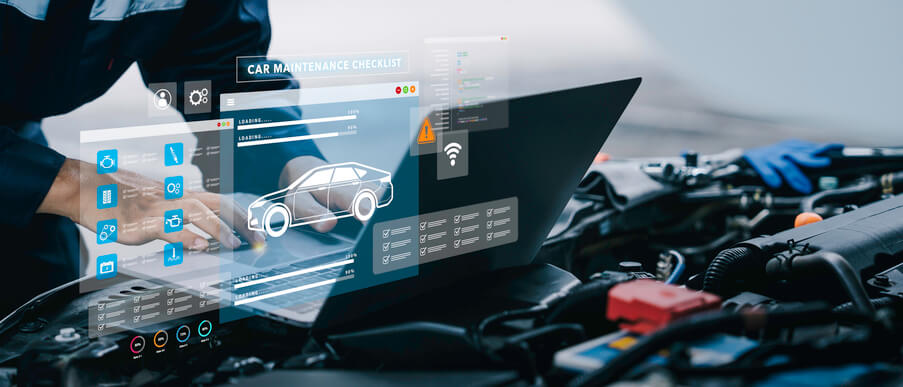
The Skills Behind Proper ADAS Calibration
Shops equipped with modern collision repair technology need technicians who understand both mechanical systems and electronic diagnostics.
ADAS technician skills typically include:
- Advanced scan tool operation
- Electrical diagnostics
- Reading OEM service information
- Precise measurement and alignment awareness
- Understanding radar and camera positioning
- Clear repair documentation
As advanced driver assistance systems become more complex, technicians must integrate electronic troubleshooting into traditional repair workflows.
This is no longer a specialty skill; it is part of mainstream automotive service.
Training for Modern Automotive Technology in Montreal
As vehicle systems evolve, automotive training programs must evolve with them.
Students exploring an auto mechanic school in Montreal should look for programs that introduce:
- Electrical and electronic diagnostics
- Modern scan tool use
- System-based troubleshooting
- Awareness of ADAS calibration procedures
Auto Training Centre’s automotive school programs are designed to prepare students for real-world shop environments where electronic systems and calibration procedures are increasingly common. Building knowledge in these areas opens the door to long-term auto careers in a rapidly advancing industry.
Explore the Auto Training Centre’s auto mechanic school to learn how structured training can prepare you for evolving auto careers in a technology-driven industry.
Key Takeaways
- ADAS calibration is now standard repair work, not a niche specialty.
- Advanced driver assistance systems rely on precisely aligned cameras, radar, and sensors to function safely.
- Calibration is often required after windshield replacement, bumper repair, collision work, suspension repairs, and wheel alignment.
- Improper calibration can lead to safety risks, system malfunction, and shop liability concerns.
- Modern technicians need a blended skill set: electrical diagnostics, scan tool proficiency, measurement accuracy, and procedural discipline.
- Automotive training programs must now include electronic diagnostics and ADAS awareness to prepare students for real-world repair environments.
- Shops increasingly value technicians who can complete ADAS calibration correctly the first time.
FAQ
Q: What is ADAS in modern vehicles?
A: Advanced driver assistance systems are safety technologies designed to enhance driver awareness and reduce collision risk.
Q: Why do sensors and cameras need calibration after car repairs?
A: Repairs such as windshield replacement, bumper removal, or alignment work can alter sensor positioning. Calibration restores system accuracy.
Q: Which systems in cars require calibration (cameras, radar, etc)?
A: Forward-facing cameras, radar modules, ultrasonic sensors, and steering angle sensors often require calibration after service or collision repair.