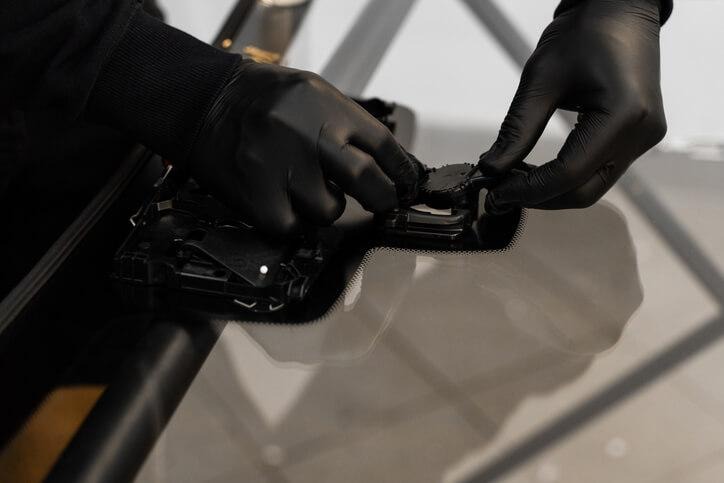
ADAS After a Repair: Why Calibration Is Becoming Part of Everyday Mechanic Work
TL;DR
ADAS calibration after repair is now a routine part of modern auto service. As vehicles rely more on cameras and sensors for safety features, mechanics must understand when calibration is required, how it’s performed, and why accuracy matters.
Modern vehicles rely heavily on technology to keep drivers safe. Features like lane-keeping assist, automatic emergency braking, blind-spot monitoring, and adaptive cruise control all depend on cameras, radar, and sensors working with precision. When those systems are disturbed, even slightly, the vehicle may no longer behave as designed. That’s why ADAS calibration after repair is no longer a specialty task; it’s becoming routine work for today’s mechanics.
For technicians, this shift represents both a challenge and an opportunity. Understanding how and when to calibrate advanced driver assistance systems is now a core part of delivering safe, professional repairs in modern shops.
What Is ADAS Calibration, and Why Does It Matter for Safety?
ADAS calibration is the process of resetting and aligning a vehicle’s cameras and sensors so they accurately interpret the road environment. Even small deviations, such as millimetres in camera position or slight changes in ride height, can affect how systems detect lanes, vehicles, or obstacles.
Improper calibration can lead to late warnings, false alerts, or systems that disengage unexpectedly. That’s why manufacturers specify calibration procedures after certain services. For mechanics, calibration isn’t about convenience—it’s about restoring safety-critical systems to factory-intended operation.
When Is ADAS Calibration Required After a Repair or Service?
When is ADAS Calibration Required? Calibration is typically required anytime a repair affects sensor alignment or vehicle geometry. This includes wheel alignments, suspension work, windshield replacement, bumper repairs, and even some steering or ride-height adjustments.
Many technicians are surprised to learn how often calibration is triggered. A simple alignment can change sensor angles enough to require recalibration. Understanding when ADAS calibration is required helps mechanics prevent comebacks, liability issues, and unsafe vehicles leaving the shop.
What Repairs Commonly Trigger ADAS Recalibration?
The most common triggers include windshield replacement (due to forward-facing cameras), front-end collision repairs, bumper removal, suspension repairs, and alignment services. Even replacing a side mirror or adjusting ride height can affect certain sensors.
As vehicles become more integrated, ADAS diagnostics for mechanics now extend beyond scanning fault codes. Verifying calibration status has become a standard step in post-repair checks.
Advanced driver assistance systems calibration is now part of everyday mechanic work
Static vs. Dynamic Calibration: What’s the Difference?
What’s the difference between static and dynamic calibration? Static uses shop targets; dynamic requires controlled driving conditions.
- Static calibration is performed in the shop using specialized targets, precise measurements, and controlled lighting conditions.
- Dynamic calibration, on the other hand, requires driving the vehicle under specific road conditions so the system can relearn its reference points.
Many vehicles require one or both methods, depending on the system and repair performed. Understanding these differences is emphasized in our auto mechanic school in Surrey, where students learn how modern repair workflows now include calibration planning.
What Happens When an ADAS System Is Miscalibrated?
What symptoms can show that an ADAS system is miscalibrated? Misaligned systems may trigger warning lights, disable safety features, or behave inconsistently—such as lane-keeping that drifts or adaptive cruise control that reacts late. In some cases, there may be no warning at all, which makes proper calibration even more critical.
From a shop’s perspective, these issues increase liability. From a technician’s perspective, they reinforce why calibration accuracy is now part of professional responsibility.
ADAS diagnostics help mechanics verify sensor accuracy after repairs
ADAS Calibration After Repair: How Shops and Training Programs Are Adapting
Do independent shops handle ADAS calibration in-house or sublet it? Some shops invest in calibration equipment and training, while others sublet calibration to specialized facilities. Both approaches require technicians to understand calibration requirements so repairs are completed correctly.
How are mechanic training programs preparing students for ADAS-related work? Programs like the Automotive Service Technician program at ATC Surrey now introduce ADAS concepts, diagnostics, and calibration theory so graduates understand how these systems fit into modern repair processes. This foundation helps new technicians adapt quickly in real shops.
ADAS technology isn’t going away. As more vehicles rely on sensors and cameras, technicians who understand calibration become more valuable to employers. Shops need professionals who can diagnose, document, and restore these systems properly.
Choosing the right auto mechanic course ensures you’re prepared for a future where mechanical skill and technical understanding go hand in hand.
Are you looking for a comprehensive auto mechanic course?
Contact ATC Surrey for more information.
Key Takeaways
- ADAS calibration after repair is now routine, not optional
- Alignments, windshield replacement, and suspension work often require recalibration
- Static and dynamic calibration serve different purposes
- ADAS knowledge improves safety, professionalism, and career prospects
FAQ: ADAS Calibration After Repair
What is ADAS calibration, and why does it matter for safety?
ADAS calibration is the process of resetting and aligning a vehicle’s cameras and sensors so they accurately interpret the road environment.
When is ADAS calibration required?
Calibration is typically required anytime a repair affects sensor alignment or vehicle geometry.
What’s the difference between static and dynamic calibration?
Static uses shop targets; dynamic requires controlled driving conditions.