ABS Light On? What It Means and What Technicians Check First
TL;DR
Why is my ABS light on? The issue may involve wheel speed sensors, damaged wiring, low brake fluid, or communication faults within the anti-lock braking system. Technicians usually begin diagnostics with a scan tool, visual inspection, and brake system checks before recommending repairs. Understanding ABS warning lights is an important part of modern brake diagnostics and automotive service training.
Few dashboard lights make drivers nervous faster than an illuminated ABS warning light. Many people immediately wonder whether the vehicle is still safe to drive or whether expensive brake repairs are coming next.
For future technicians, understanding the answer to “Why is my ABS light on?” is less about guessing and more about following a logical diagnostic process. The anti-lock braking system relies on sensors, wiring, modules, and hydraulic components working together properly. A fault anywhere in that system can trigger the warning light.
That is why modern brake diagnostics require both technical knowledge and careful inspection skills.
What Does the ABS Light Mean?
Before diagnosing a fault, technicians first need to understand it in practical terms.
The ABS, or anti-lock braking system, helps prevent wheels from locking during sudden braking situations. By rapidly modulating brake pressure, the system helps drivers maintain steering control during hard stops, especially on wet or slippery roads.
When the ABS warning light turns on, it usually means the system has detected a fault and may disable anti-lock braking functionality until repairs are completed.
In many vehicles, normal braking may still function, but ABS assistance may no longer operate correctly. This is why technicians take ABS warnings seriously, even if the vehicle appears to drive normally.
Why Is My ABS Light On?
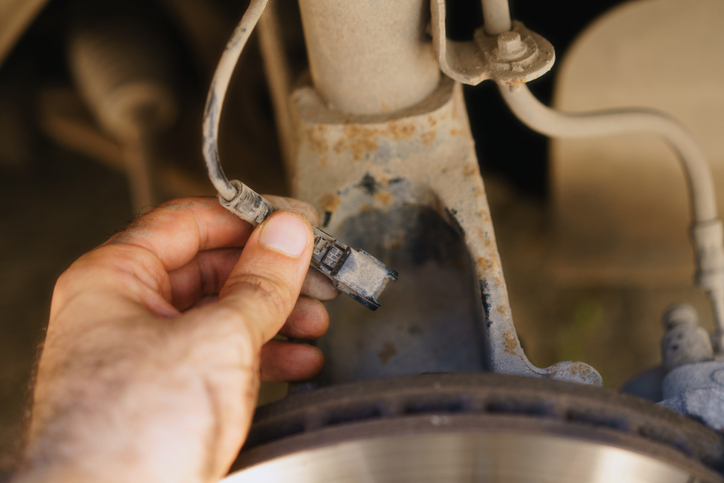
There are several common reasons an ABS light may appear. One of the most frequent causes involves faulty wheel speed sensors. These sensors monitor wheel rotation and send information to the ABS control module. If one sensor stops communicating properly, the system may trigger the warning light.
Other possible causes include:
- Damaged wiring or corroded connectors
- Faulty ABS modules
- Tone ring damage
- Low brake fluid
- Blown fuses
- Hydraulic system faults
In winter climates like Toronto, road salt and moisture can also contribute to sensor corrosion and wiring damage over time.
Understanding what ABS anti-lock light means requires recognizing that the light itself does not identify the exact failed component. Proper testing is still necessary before repairs are recommended.
What Technicians Check First During ABS Diagnostics
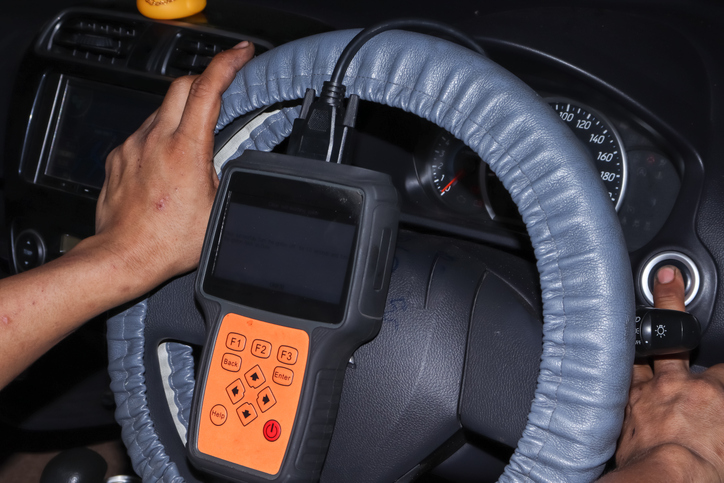
When diagnosing ABS issues, technicians usually begin with a scan tool rather than immediately replacing parts.
The first step often involves retrieving diagnostic trouble codes from the ABS module. These codes help narrow down which wheel circuit or system area may be affected.
After scanning the vehicle, technicians typically inspect:
- Wheel speed sensors
- Wiring harnesses
- Electrical connectors
- Brake fluid level
- Wheel bearings
- Tone rings
Visual inspections remain extremely important because physical damage or corrosion may sometimes be obvious once components are examined closely.
Students at our auto mechanic school discover that successful diagnostics involve observation and testing rather than simply replacing parts based on warning lights alone.
How Do You Fix an ABS Light on a Car?
The answer depends entirely on the root cause. For example, fixing an ABS light could involve:
- Replacing a faulty wheel speed sensor
- Repairing damaged wiring
- Cleaning corroded connectors
- Replacing an ABS module
- Correcting brake fluid issues
This is one reason technicians avoid making assumptions too early in the diagnostic process. A warning light may appear similar across vehicles, but the underlying fault can vary significantly.
For students pursuing automotive training, ABS diagnostics illustrate how modern vehicles integrate electronics, braking systems, and computer communication.

How Do You Reset the ABS Light?
Many drivers assume disconnecting the battery or clearing codes will permanently solve the issue, but ABS lights usually return if the fault itself has not been repaired.
In most cases, technicians clear the codes after completing repairs and then confirm the fix through road testing and system checks.
If the warning light remains off and the ABS module detects normal operation, the repair is considered successful. For students considering future careers in auto, learning diagnostic logic becomes increasingly important as vehicles continue to rely more heavily on electronic safety systems.
Are you looking for hands-on automotive training opportunities?
Contact ATC Toronto for more information.
Key Takeaways
- Why is my ABS light on may involve wheel speed sensors, wiring faults, brake fluid issues, or ABS module problems
- Understanding what does abs light mean helps technicians diagnose anti-lock braking system faults properly
- Scan tools and visual inspections are often the first steps in ABS diagnostics
- ABS repairs depend on identifying the actual root cause before replacing parts
- Modern brake diagnostics are an important part of automotive service education
FAQ
Why is my ABS light on?
The ABS light may turn on because of wheel speed sensor failures, wiring problems, low brake fluid, damaged tone rings, or ABS module faults.
What does the ABS light mean?
The ABS warning light indicates the anti-lock braking system has detected a fault and may temporarily disable ABS functionality.
How do you fix an ABS light on a car?
Technicians diagnose the root cause using scan tools and inspections before repairing or replacing faulty components such as sensors, wiring, or modules.
How do you reset the ABS light?
The ABS light is usually reset after repairs are completed and diagnostic codes are cleared successfully.