
2027 Toyota Crown: THS 5 vs Hybrid MAX for Future Hybrid Technicians
In Brief: 2027 Toyota Crown: THS 5 vs Hybrid MAX Powertrain Differences
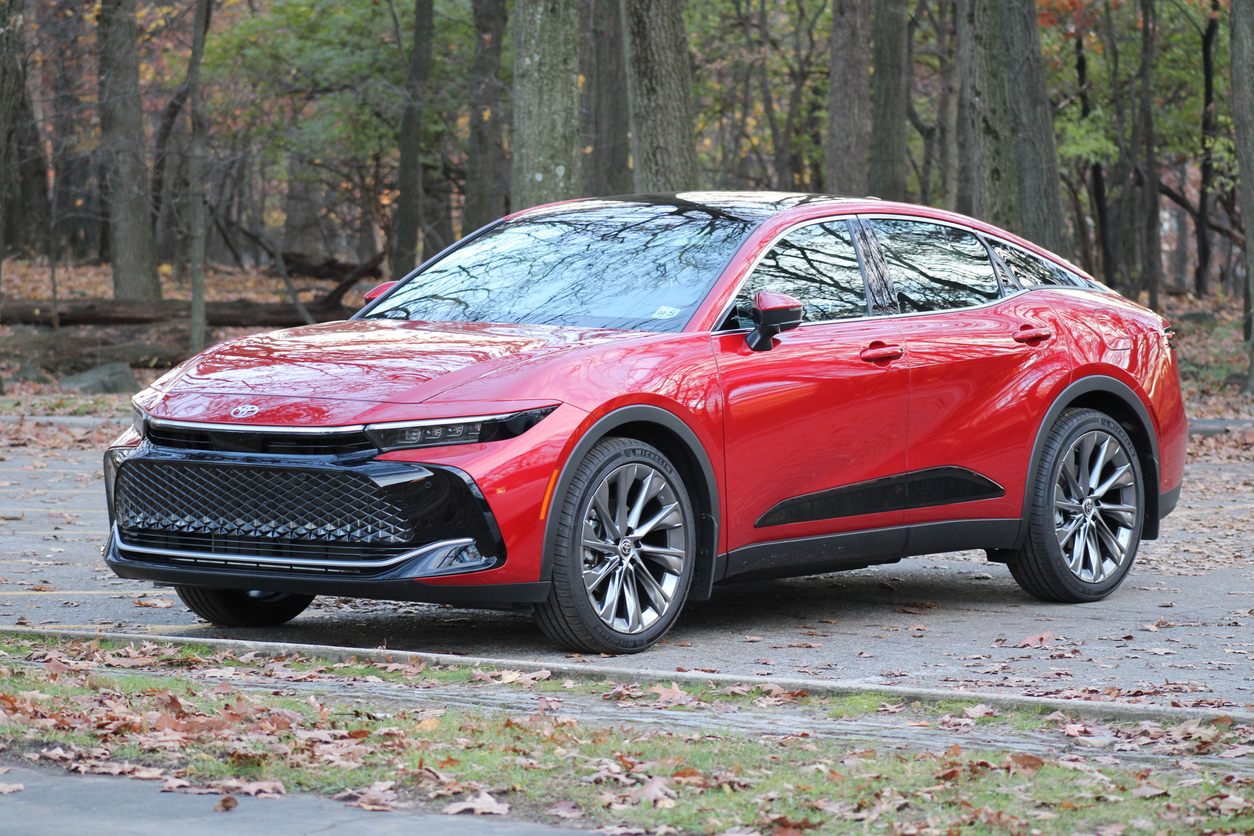
The 2027 Toyota Crown offers two hybrid powertrains in Canada. The Limited uses the fifth-generation Toyota Hybrid System (THS 5), pairing a 2.5-litre engine with an electronically controlled continuously variable transmission and Electronic On-Demand AWD. The Platinum uses the more powerful Toyota Crown Hybrid MAX system, combining a 2.4-litre turbocharged engine, six-speed automatic transmission and Full-Time Electronic AWD. These differences affect power delivery, efficiency and the components technicians may need to diagnose.
Two vehicles can share the same nameplate while requiring very different approaches to powertrain diagnosis. The 2027 Toyota Crown demonstrates this particularly well, offering Canadian drivers a choice between Toyota’s efficiency-focused fifth-generation hybrid system and its performance-oriented Hybrid MAX configuration.
For aspiring automotive technicians in Montreal, the distinction goes beyond horsepower. Understanding how these systems combine gasoline engines, electric motors, transmissions, and all-wheel drive provides a useful introduction to the technical knowledge required for modern hybrid vehicle service.
What Are the Two Hybrid Systems in the 2027 Toyota Crown?
The Canadian-market 2027 Crown comes in two grades: Limited and Platinum. Both feature all-wheel drive, but their powertrains operate differently.
According to Toyota Canada, the Limited uses THS 5, while the Platinum features Hybrid MAX.
| Feature | Crown Limited: THS 5 | Crown Platinum: Hybrid MAX |
|---|---|---|
| Gasoline engine | 2.5-litre four-cylinder | 2.4-litre turbocharged four-cylinder |
| Hybrid system | Fifth-generation Toyota Hybrid System | Performance-focused Hybrid MAX |
| Transmission | Electronically controlled CVT (eCVT) | Direct-shift six-speed automatic |
| All-wheel drive | Electronic On-Demand AWD | Full-Time Electronic AWD |
| Rear drive system | Separate rear electric motor | Rear eAxle |
| Combined fuel consumption | 5.8 L/100 km | 7.8 L/100 km |
| Primary emphasis | Efficiency and smooth power delivery | Stronger acceleration and torque |
The Platinum’s Hybrid MAX powertrain produces 340 net combined horsepower and 400 lb-ft of torque, according to Toyota Canada. These are manufacturer-published specifications for the Canadian market. Equipment and grade availability may differ in other countries.
How Does Toyota THS 5 Work?
Toyota THS 5 is the fifth generation of Toyota’s established hybrid system. In the Crown Limited, it combines a 2.5-litre gasoline engine with electric motor-generators and an electronically controlled continuously variable transmission.
Unlike a conventional automatic transmission with fixed gear ratios, the hybrid eCVT uses a power-split arrangement to coordinate engine and electric motor operation. This allows the vehicle to manage power delivery and engine operation according to driving conditions.
The system can use electric assistance during acceleration and recover energy during deceleration. Toyota also incorporates electronically controlled braking that coordinates regenerative braking with conventional hydraulic braking.
For technicians, this creates several important areas of study:
- Motor-generator operation: Understanding how electrical machines contribute to propulsion and energy recovery.
- Hybrid battery management: Recognizing how the system monitors and manages stored electrical energy.
- Power electronics: Understanding the inverter and related electrical controls.
- Regenerative braking: Learning how electrical energy recovery interacts with friction braking.
The Crown Limited also uses a separate rear electric motor for its Electronic On-Demand AWD system, allowing rear-wheel drive assistance when required.
How Does Toyota Crown Hybrid MAX Deliver More Power?
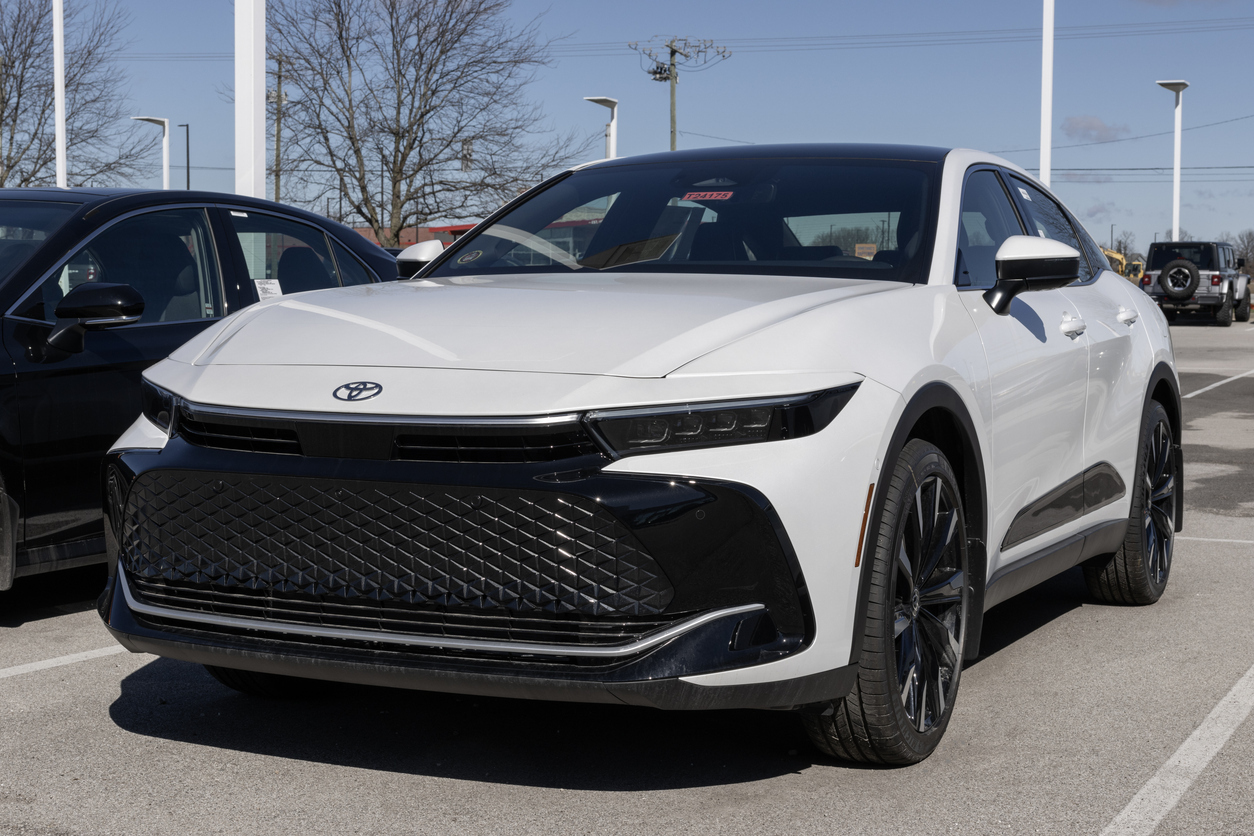
The Toyota Crown Hybrid MAX takes a different approach to combining gasoline and electric power. Instead of the Limited’s naturally aspirated 2.5-litre engine and hybrid eCVT, the Platinum pairs a 2.4-litre turbocharged engine with a direct-shift six-speed automatic transmission.
The turbocharged engine provides strong low-speed torque, while electric motor assistance contributes to the system’s combined performance. Toyota reports 340 net combined horsepower and 400 lb-ft of torque for this configuration.
The Platinum also uses Full-Time Electronic AWD with a rear eAxle that helps manage power delivery between the front and rear wheels. These differences explain why Hybrid MAX emphasizes acceleration and responsiveness rather than achieving the lowest possible fuel consumption.
For future technicians, the configuration introduces additional diagnostic considerations involving turbocharging, transmission operation and electronic AWD control.
Why Do the Different Transmissions Matter to Technicians?
The transmission is one of the clearest mechanical differences between the two systems. The Limited’s eCVT coordinates engine and motor-generator operation through a hybrid power-split arrangement. It does not operate like a conventional belt-driven CVT.
This distinction affects how technicians interpret symptoms. For example, a driver reporting unusual engine-speed behaviour in the Limited may be describing normal hybrid eCVT operation rather than transmission slipping.
A shift-quality complaint in the Platinum, however, may require investigation of transmission controls, hydraulic operation, or interactions with hybrid torque management. Technicians must identify the exact powertrain before interpreting diagnostic data or selecting service procedures.
How Do the Crown’s All-Wheel-Drive Systems Differ?
Both Canadian Crown grades feature AWD, but their systems have different operating strategies. The Limited’s Electronic On-Demand AWD uses a separate rear electric motor to provide additional rear-wheel propulsion when needed.
The Platinum’s Full-Time Electronic AWD uses a rear eAxle and actively adjusts power distribution to support performance and handling. These configurations demonstrate that all-wheel drive in a hybrid vehicle does not necessarily rely on the same mechanical arrangement as a conventional gasoline-powered AWD system.
Technicians investigating traction complaints, warning lights, or unusual drivetrain behaviour need to understand how the electric drive components communicate with vehicle control systems. They must also distinguish normal system operation from actual faults.
What Hybrid Components May Technicians Need to Service?
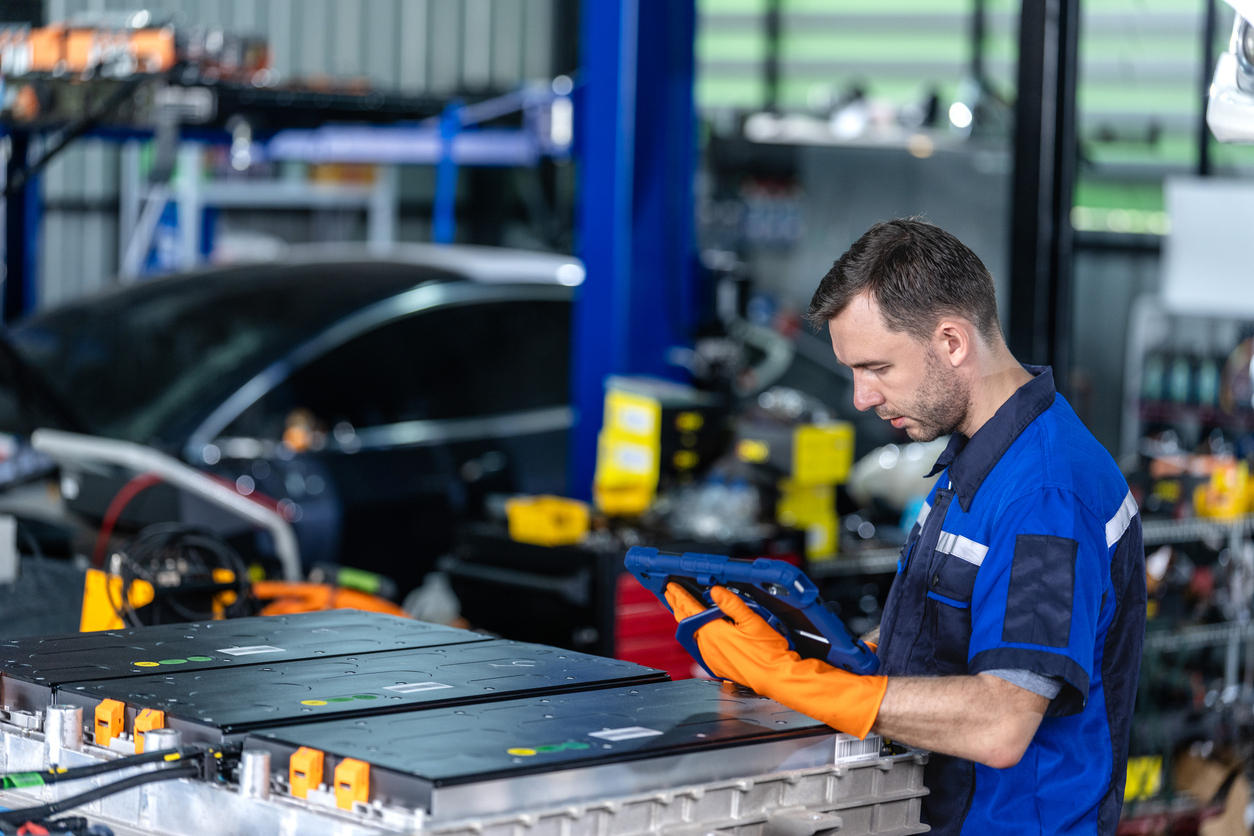
Both Crown configurations combine mechanical and electrical systems, although their specific layouts differ.
Potential service and diagnostic areas include:
| Component or system | Technician consideration |
|---|---|
| Hybrid battery | Battery condition, monitoring data and thermal management |
| Inverter and power electronics | Electrical control, cooling and diagnostic fault information |
| Electric motors and generators | Motor operation, electrical faults and system communication |
| Regenerative braking | Coordination between electrical energy recovery and hydraulic braking |
| Engine systems | Combustion, cooling, sensors and emissions-related faults |
| Transmission | Powertrain-specific operating characteristics and service procedures |
| AWD components | Rear electric drive operation and torque-control systems |
Not every component is intended for routine disassembly or independent repair. High-voltage hybrid systems require manufacturer-approved isolation procedures, suitable equipment and appropriate technician qualifications.
This is one reason hybrid and electrical mechanic training is relevant to technicians preparing for electrified vehicle service.
Why Does the 2027 Toyota Crown Matter for Future Hybrid Technicians?
The Crown illustrates how manufacturers can use different hybrid architectures to achieve different driving characteristics.
The Limited prioritizes efficiency through its fifth-generation hybrid system, while the Platinum emphasizes stronger performance through turbocharging and a six-speed automatic transmission. Both rely on electronic control systems that coordinate mechanical and electrical components.
As hybrid technologies evolve, technicians must be comfortable reading technical specifications, interpreting diagnostic information, and following manufacturer procedures.
Explore Hybrid Automotive Training at ATC Montreal
The 2027 Toyota Crown shows that hybrid technology is not a single mechanical design. Different combinations of engines, motors, transmissions and drive systems can produce very different operating characteristics.
For budding mechanics, understanding these distinctions is a useful starting point. Explore programmes at our automotive school to learn more about automotive diagnostics, hybrid systems and the technical skills involved in servicing modern vehicles.
Would you like to explore automotive training opportunities at our auto mechanic school?
Contact ATC Montreal for more information.
Key Takeaways
- The Canadian-market 2027 Toyota Crown offers two hybrid configurations: THS 5 on Limited and Hybrid MAX on Platinum.
- THS 5 pairs a 2.5-litre engine with an eCVT and Electronic On-Demand AWD.
- Hybrid MAX combines a 2.4-litre turbocharged engine with a six-speed automatic transmission.
- The Platinum’s Hybrid MAX system produces 340 net combined horsepower and 400 lb-ft of torque.
- Toyota Canada lists combined fuel consumption of 5.8 L/100 km for Limited and 7.8 L/100 km for Platinum.
- The two AWD systems use different rear electric-drive arrangements and control strategies.
- Technicians must understand the specific hybrid architecture before diagnosing powertrain, braking, or AWD concerns.
- High-voltage system service requires appropriate training and manufacturer-approved safety procedures.
FAQ
What is the difference between THS 5 and Hybrid MAX?
THS 5 emphasizes efficiency using a 2.5-litre gasoline engine, electric motor-generators and an electronically controlled CVT. Hybrid MAX prioritizes performance through a 2.4-litre turbocharged engine, electric assistance and a six-speed automatic transmission. The systems also use different AWD configurations.
Does the 2027 Toyota Crown offer two hybrid systems?
Yes. In Canada, the 2027 Toyota Crown Limited features the fifth-generation Toyota Hybrid System, while the Platinum uses Hybrid MAX. Both have standard all-wheel drive, but their engines, transmissions, and rear electric-drive systems differ.
How does Hybrid MAX deliver more power?
Hybrid MAX combines a turbocharged 2.4-litre engine with electric motor assistance and a six-speed automatic transmission. This arrangement delivers strong low-rpm torque and responsive acceleration. Toyota Canada rates the system at 340 net combined horsepower and 400 lb-ft of torque.
What hybrid components may technicians need to service?
Depending on the vehicle and complaint, technicians may inspect or diagnose hybrid battery systems, power electronics, electric motors, cooling systems, regenerative braking, engine components, transmissions, and electronic AWD systems. High-voltage work requires appropriate training, equipment and manufacturer-approved procedures.


