
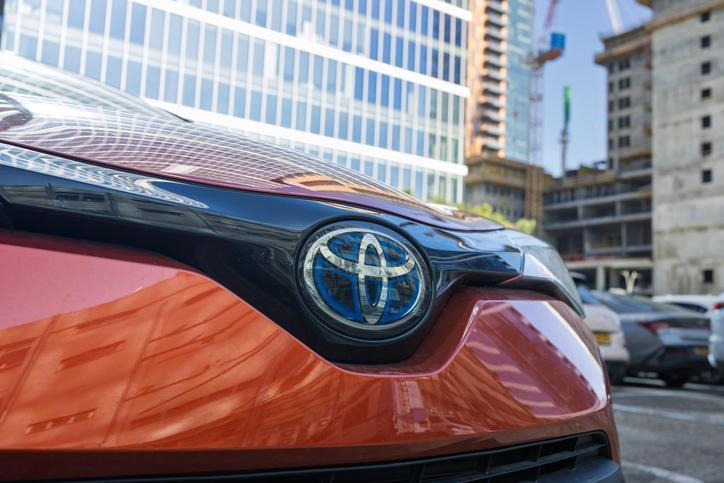
2027 Toyota C-HR: Dual-Motor AWD, NACS Charging, and Battery Preconditioning for Future EV Techs
In Brief: 2027 Toyota C-HR EV: AWD, NACS, and Charging Technology
The 2027 Toyota C-HR is an all-electric compact SUV featuring a 77-kWh battery, available dual-motor all-wheel drive, NACS charging, and battery preconditioning. Canadian models offer an estimated range of up to 496 km, depending on the configuration. These technologies highlight the electrical, mechanical, and diagnostic knowledge future automotive technicians will need as electric vehicles become more common.
Electric vehicles are changing what happens inside an automotive repair shop. Alongside familiar mechanical components, technicians increasingly encounter high-voltage batteries, sophisticated power electronics, and charging systems that communicate with external infrastructure. Understanding how these technologies work is becoming an important part of automotive education.
The 2027 Toyota C-HR offers a useful example of this shift. With its available dual-motor AWD system, NACS charging port, and cold-weather battery management technology, Toyota’s electric compact SUV brings several important EV systems together in one vehicle. For aspiring technicians in Surrey, examining these features offers insight into the skills modern automotive service may require.
Explore our hybrid technology training course for a closer look at electrified powertrains and other exciting aspects of automotive service.
What Makes the 2027 Toyota C-HR Different?
The Toyota C-HR electric SUV is built on Toyota’s e-TNGA platform, which positions its 77-kWh lithium-ion battery low in the chassis. This arrangement lowers the vehicle’s centre of gravity and supports handling stability.
Canadian buyers can choose between front-wheel-drive and all-wheel-drive configurations, each offering different performance and range characteristics.
| Configuration | Power | Estimated range |
|---|---|---|
| SE FWD | 221 hp | Up to 496 km |
| XSE AWD | 338 hp | Up to 452 km |
| XSE Premium AWD | 338 hp | Up to 438 km |
These differences demonstrate how motor configuration, equipment, and vehicle efficiency influence Toyota C-HR electric range.
How Does the Toyota C-HR’s Dual-Motor AWD System Work?
Unlike a conventional AWD vehicle that may distribute engine power through mechanical driveshafts, the C-HR’s AWD configuration uses two electric motors: one at the front axle and another at the rear.
Together, they produce 338 horsepower, allowing the AWD models to accelerate from 0 to 100 km/h in approximately 5.2 seconds.
For technicians, this arrangement introduces important diagnostic considerations. Electric motor operation depends on power electronics, sensors, control modules, and communication between vehicle systems.
A drivetrain complaint may therefore require electrical testing and electronic diagnostics alongside conventional mechanical inspection.
What Does NACS Charging Mean for the Toyota C-HR?
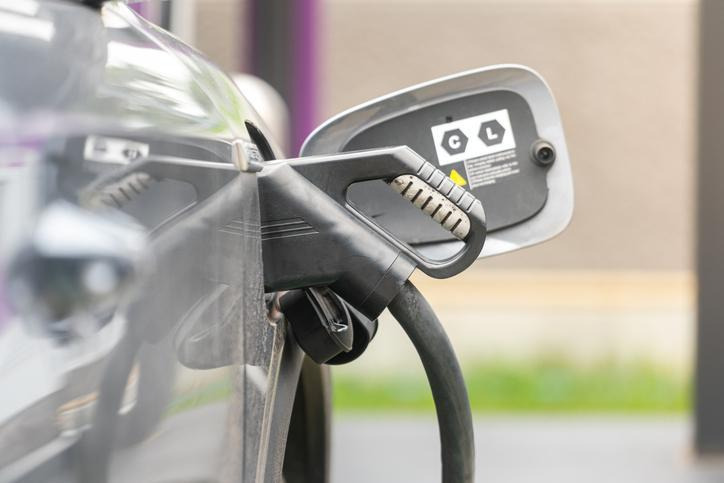
The Toyota C-HR NACS charging port uses the North American Charging System, supporting access to compatible charging infrastructure. The vehicle also includes CCS and J1772 adapters, providing additional flexibility when using different charging connectors.
Under ideal conditions, DC fast charging can replenish the battery from approximately 10% to 80% in about 30 minutes. Actual charging times depend on battery temperature, charger capability, and other conditions.
Understanding Toyota C-HR charging technology requires familiarity with more than the physical connector. Technicians may need to investigate charging communication faults, onboard charging equipment, electrical connections, and battery management systems.
Why Does Battery Preconditioning Matter in Canadian Winters?
Cold weather can slow battery charging, making thermal management particularly important for Canadian EV owners. Toyota C-HR battery preconditioning helps bring the high-voltage battery toward an optimal temperature before DC fast charging, supporting faster and more consistent charging in cold conditions. This can reduce charging delays when temperatures are low.
The C-HR supports battery preconditioning as part of its charging technology, helping maintain more consistent charging performance in colder conditions. For future technicians, this highlights the connection between battery temperature, charging efficiency, and vehicle electronics.
If an EV charges unusually slowly, the cause may involve battery temperature, thermal management, charger conditions, or another electrical issue. Proper diagnosis requires understanding how these systems interact rather than assuming the charging port is defective.
What Can Future Automotive Technicians Learn From the Toyota C-HR EV?
The Toyota C-HR EV illustrates how automotive service is expanding beyond traditional mechanical repairs.
Future technicians may encounter:
- High-voltage battery systems and electrical safety procedures.
- Electric motors, inverters, and drivetrain control systems.
- AC and DC charging equipment and communication protocols.
- Battery cooling, heating, and thermal management.
- Electronic diagnostics involving interconnected control modules.
These developments make foundational automotive knowledge increasingly valuable. Students considering an Automotive Service Technician Foundation program can build their understanding of vehicle systems before pursuing more specialized electrification topics.
Explore Automotive Training at ATC Surrey
The 2027 C-HR shows how electric drivetrains, charging technology, and battery management are reshaping automotive service. Technicians who understand these systems will be better prepared to adapt as vehicle technology evolves.
ATC’s training offers the perfect launchpad into fulfilling careers in the Canadian automotive industry.
Would you like to explore auto training opportunities at our auto mechanic school in Surrey?
Contact ATC Surrey for more information.
Key Takeaways
- The 2027 Toyota C-HR is a fully electric compact SUV built on Toyota’s e-TNGA platform.
- Canadian models use a 77-kWh battery and offer an estimated range of up to 496 km, depending on configuration.
- AWD versions feature two electric motors producing a combined 338 horsepower.
- NACS charging, CCS and J1772 adapters, and DC fast-charging capability provide charging flexibility.
- Battery preconditioning helps improve charging performance in colder temperatures.
- These technologies demonstrate why future automotive technicians need knowledge of high-voltage systems, charging equipment, and electronic diagnostics.
Frequently Asked Questions
Is the 2027 Toyota C-HR fully electric?
Yes. The 2027 Toyota C-HR is a battery-electric SUV powered entirely by electricity. It uses a 77-kWh lithium-ion battery and is offered in front-wheel-drive and all-wheel-drive configurations in Canada.
Does the 2027 Toyota C-HR offer all-wheel drive?
Yes. The XSE AWD and XSE Premium AWD configurations use two electric motors, one at each axle. Together, they produce 338 horsepower. The SE model uses a single front-mounted motor and front-wheel drive.
Does the Toyota C-HR use NACS charging?
Yes. The 2027 C-HR features a North American Charging System port and includes CCS and J1772 adapters. It supports Level 1 and Level 2 AC charging as well as compatible DC fast charging.
What is battery preconditioning in the Toyota C-HR?
Battery preconditioning helps bring the high-voltage battery toward an appropriate temperature before DC fast charging. This is particularly useful in cold weather, when low battery temperatures can reduce charging speed. The system helps improve charging consistency but does not guarantee the same charging time in every condition.


