
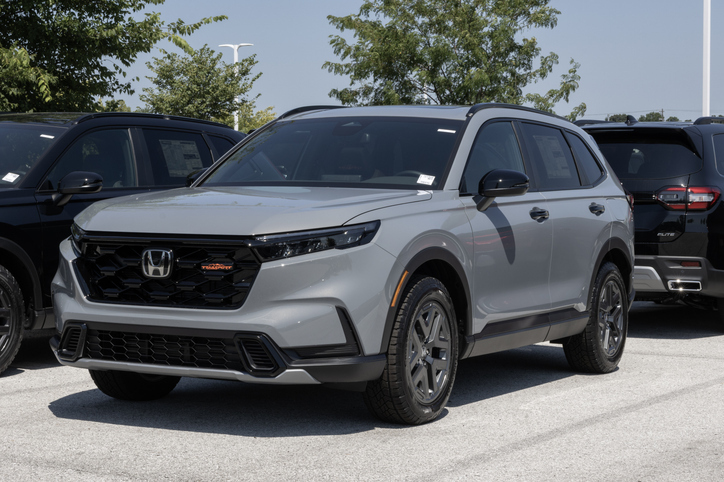
2027 Honda Passport TrailSport: What a Lifted Suspension Changes for Service and Alignment
In Brief: 2027 Honda Passport TrailSport: Lifted Suspension and Alignment
The 2027 Honda Passport TrailSport features a redesigned suspension that increases ground clearance from 210 mm to 245 mm. Honda revised springs, dampers, control arms, steering knuckles, and related chassis components to accommodate the increased ride height. Future automotive technicians can learn how suspension geometry influences wheel alignment, tire wear, steering response, and post-off-road service inspections.
The 2027 Honda Passport TrailSport sits 35 mm higher than its predecessor, but there’s much more to the upgrade than extra space beneath the vehicle. Honda has redesigned much of the suspension to improve off-road capability while maintaining comfortable, predictable handling on paved roads.
Whether it’s navigating uneven trails or encountering frost-damaged roads around Cambridge, Ontario, a vehicle’s suspension has a demanding job. The new Passport provides an excellent example of why technicians need to understand how ride height, steering geometry, and tire condition work together.
What Suspension Changes Does the 2027 Honda Passport TrailSport Use?
Honda has extensively reengineered the TrailSport’s suspension rather than simply installing taller springs. Nearly 70% of its major suspension components have been redesigned.
These changes include:
- Springs and dampers.
- Suspension control arms.
- Stabilizer bars and steering knuckles.
- Rear driveshafts and the front subframe.
The redesigned components accommodate additional suspension travel and increased ride height while maintaining appropriate suspension geometry.
According to Honda Canada, the additional Passport ground clearance improves the vehicle’s ability to negotiate uneven terrain.
| Specification | 2026 TrailSport | 2027 TrailSport |
|---|---|---|
| Ground clearance | 210 mm | 245 mm |
| Approach angle | 23° | 25° |
| Departure angle | 23° | 25° |
| Breakover angle | 20° | 23° |
Improved approach, departure, and breakover angles help reduce the likelihood of bodywork or underbody contact when negotiating obstacles.
How Can Increased Ride Height Affect Wheel Alignment?
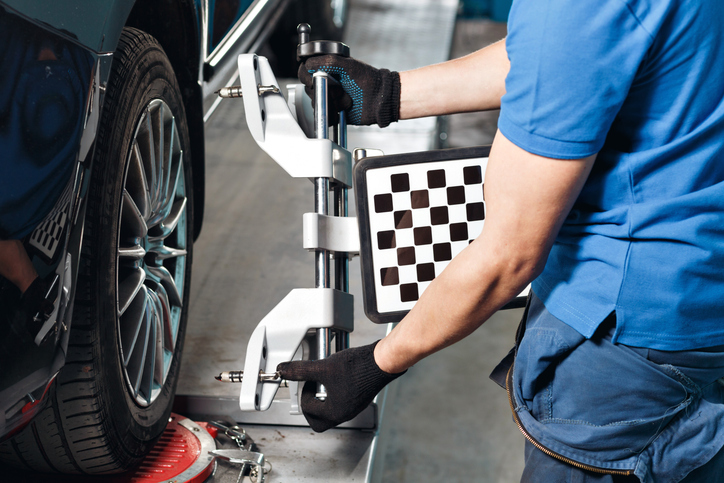
Changing suspension ride height can alter the position and operating angles of control arms, steering linkages, and wheels.
Three alignment measurements are particularly important:
- Camber: The inward or outward tilt of a wheel when viewed from the front. Incorrect camber can contribute to uneven tire wear.
- Caster: The forward or rearward inclination of the steering axis. It influences directional stability and steering return.
- Toe: The inward or outward direction of the wheels when viewed from above. Incorrect toe can produce tire scrub and accelerated tread wear.
Because Honda engineered the TrailSport’s suspension around its increased ride height, the factory lift does not automatically create an alignment problem.
However, technicians must use the correct model-year specifications when measuring alignment or replacing suspension components. As explored in ATC Cambridge’s auto mechanic school, applying specifications from the previous model without verification could result in incorrect adjustments.
What Checks Matter After Off-Road Suspension Use?
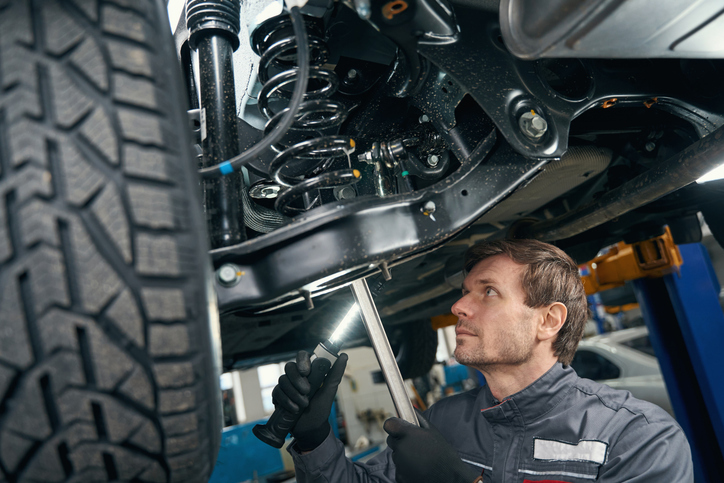
Imagine a customer bringing their Honda Passport TrailSport into a Cambridge workshop after driving on rocky, uneven terrain. They report that the steering wheel now sits slightly off-centre. An alignment adjustment might appear to be the obvious solution, but technicians should first check for damage that could have altered the vehicle’s geometry.
A post-off-road inspection may include:
- Checking control arms, bushings, and ball joints for damage or excessive movement.
- Inspecting tie rods and steering connections.
- Examining dampers for fluid leakage or physical damage.
- Checking CV joint boots for tears.
- Inspecting wheels and tires for impact damage.
- Measuring ride height according to manufacturer procedures.
- Checking underbody protection for impact damage or loose fasteners.
Damaged or excessively worn components should be addressed before alignment adjustments are made. Technicians should also perform steering-angle sensor resets or driver-assistance system calibrations when required by manufacturer procedures.
How Do All-Terrain Tires Affect Ride and Handling?
The 2027 Honda Passport TrailSport uses P275/60 R18 all-terrain tires, according to Honda Canada’s published specifications.
Compared with road-oriented tires, all-terrain designs typically feature more pronounced tread blocks and patterns intended to improve traction on loose surfaces.
These characteristics can also influence everyday driving:
| Tire characteristic | Potential effect |
|---|---|
| Larger tread blocks | Increased road noise |
| More aggressive tread pattern | Improved traction on certain loose surfaces |
| Different sidewall construction | Changes in ride comfort and steering response |
| Increased rolling resistance | Potential changes in fuel consumption |
Technicians should check tire pressure, tread wear, wheel balance, and tire compatibility before attributing vibration or steering complaints to suspension faults. All-terrain tires are not automatically dedicated winter tires, either. This distinction matters when advising Ontario drivers about seasonal tire selection.
What Can Future Mechanics Learn From the New Passport?
The redesigned TrailSport demonstrates why suspension service requires more than replacing worn components. A technician must understand how steering, suspension geometry, wheel alignment, and tires influence one another.
Through our auto mechanic training, students can build foundational knowledge of steering and suspension systems while developing a systematic approach to automotive diagnosis. Recognizing these relationships is particularly valuable as manufacturers introduce increasingly specialized chassis configurations.
Build Your Automotive Skills at ATC Cambridge
Interested in learning how to diagnose suspension problems, interpret tire wear, and understand vehicle handling? Our auto mechanic school in Cambridge helps aspiring technicians develop practical automotive knowledge.
Would you like to become a mechanic?
Contact ATC Cambridge for more information.
Key Takeaways
- The 2027 Honda Passport TrailSport features 245 mm of ground clearance, an increase of 35 mm over the 2026 model.
- Honda redesigned nearly 70% of the major suspension components to accommodate increased ride height and wheel travel.
- Increased ride height can influence suspension geometry, including camber, caster, and toe.
- A factory-engineered suspension lift does not automatically cause alignment problems.
- Post-off-road inspections should identify damaged or worn components before alignment adjustments.
- All-terrain tires can influence road noise, ride comfort, traction, and steering response.
- Technicians must follow model-specific service specifications and applicable calibration procedures.
FAQ
What suspension changes does the 2027 Passport TrailSport use?
The 2027 Honda Passport TrailSport features redesigned springs, dampers, control arms, stabilizer bars, and steering knuckles, along with revised rear driveshafts and a front subframe. These changes accommodate additional suspension travel and increase ground clearance to 245 mm.
How can increased ride height affect alignment?
Increased ride height can change the operating angles of suspension and steering components, potentially affecting camber, caster, and toe. However, a factory-engineered lift is designed around the vehicle’s intended geometry. Technicians should use the correct manufacturer alignment specifications.
What checks matter after off-road suspension use?
Technicians should inspect suspension arms, bushings, ball joints, tie rods, dampers, CV joint boots, wheels, tires, and underbody protection. They should identify damage or excessive wear before performing alignment adjustments.
How do all-terrain tires affect ride and handling?
All-terrain tires can improve traction on loose surfaces, but their tread patterns and construction may also affect road noise, steering response, ride comfort, and rolling resistance. Technicians should evaluate tire condition and pressure when investigating handling complaints.


