
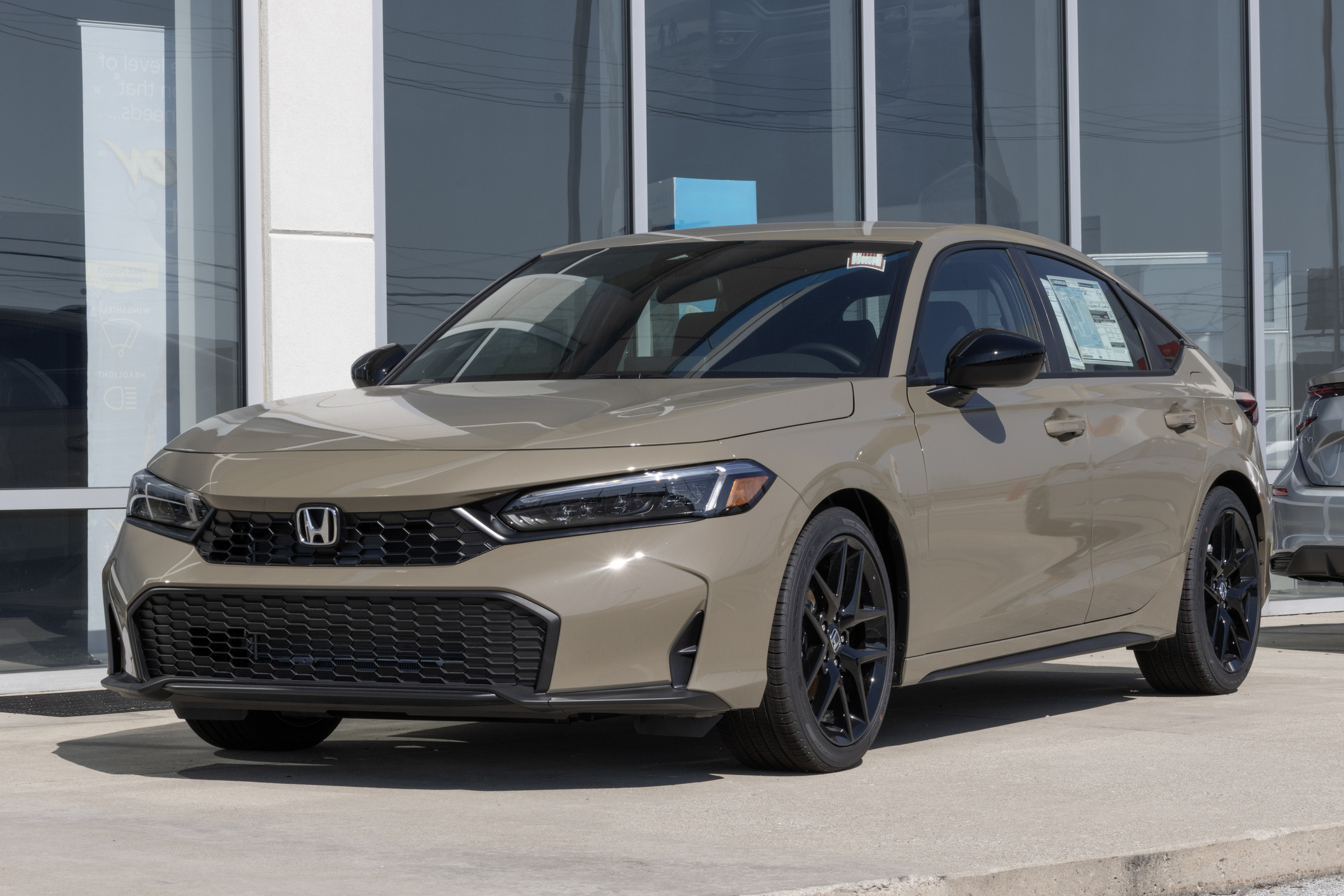
2027 Honda Civic Hybrid S+ Shift: What Simulated Gear Changes Teach Future Hybrid Techs
In Brief: 2027 Honda Civic Hybrid S+ Shift: Shifts Explained
The 2027 Honda Civic Hybrid introduces Honda S+ Shift on select models, allowing drivers to experience simulated gear changes without a conventional multi-speed automatic transmission. The system coordinates engine speed, electric-motor output, and sound to create a familiar shifting sensation. For aspiring technicians, it demonstrates why understanding software-controlled hybrid systems is essential for accurate diagnosis.
The 2027 Honda Civic Hybrid has an interesting trick: it can feel as though it’s changing gears, even though its hybrid powertrain doesn’t use a conventional stepped automatic transmission. With Honda S+ Shift, software helps recreate the engine sounds and changes in acceleration that drivers associate with shifting.
It’s a useful example of how automotive technology is changing. For students preparing to service modern vehicles, understanding what the driver feels is only part of the job. They also need to know what’s happening inside the powertrain and whether that behaviour is normal.
What Is Honda S+ Shift in the 2027 Civic Hybrid?
Honda S+ Shift is a driving feature designed to make Honda’s two-motor hybrid system feel more like a vehicle with a conventional transmission.
After introducing the technology in the Prelude, Honda is bringing it to the 2027 Civic Sport Touring Hybrid sedan and hatchback.
The system offers several features:
- Simulated upshifts and downshifts during acceleration and deceleration.
- Steering-wheel paddle controls for selecting virtual gears.
- Engine-speed changes that resemble traditional gear shifts.
- Enhanced engine sounds synchronized with driving response.
- Virtual gear holding during certain driving conditions.
The important distinction is that Honda S+ Shift changes how the powertrain behaves and feels without physically shifting through multiple conventional transmission gears.
Does the Civic Hybrid Have a Conventional Automatic Transmission?
No. The Civic Hybrid uses Honda’s two-motor hybrid system, which operates differently from a traditional multi-speed automatic. During many driving conditions, an electric motor powers the wheels while the gasoline engine generates electricity. At suitable speeds and loads, the engine can also drive the wheels through a direct mechanical connection.
A conventional automatic transmission changes physical gear ratios to manage engine speed and vehicle speed. Honda’s system instead coordinates the gasoline engine, electric motors, and electronic controls. That’s why Civic hybrid simulated gears are best understood as a controlled driving sensation rather than actual mechanical gear changes.
At ATC Montreal auto mechanic school, we help students build the foundational knowledge needed to understand modern vehicle operation.
How Does Honda S+ Shift Create Simulated Gear Changes?
The system coordinates engine speed and electric-motor output to imitate the sensations of shifting.
Honda uses technologies called Step Shift Control and Sports Adaptive Control to manage these responses.
During an upshift, the system rapidly reduces engine speed while briefly adjusting drive-motor output. This produces a sound and acceleration change similar to an automatic transmission changing gears.
During a downshift, engine speed increases to imitate rev matching. These responses are intentional features of the powertrain’s electronic controls.
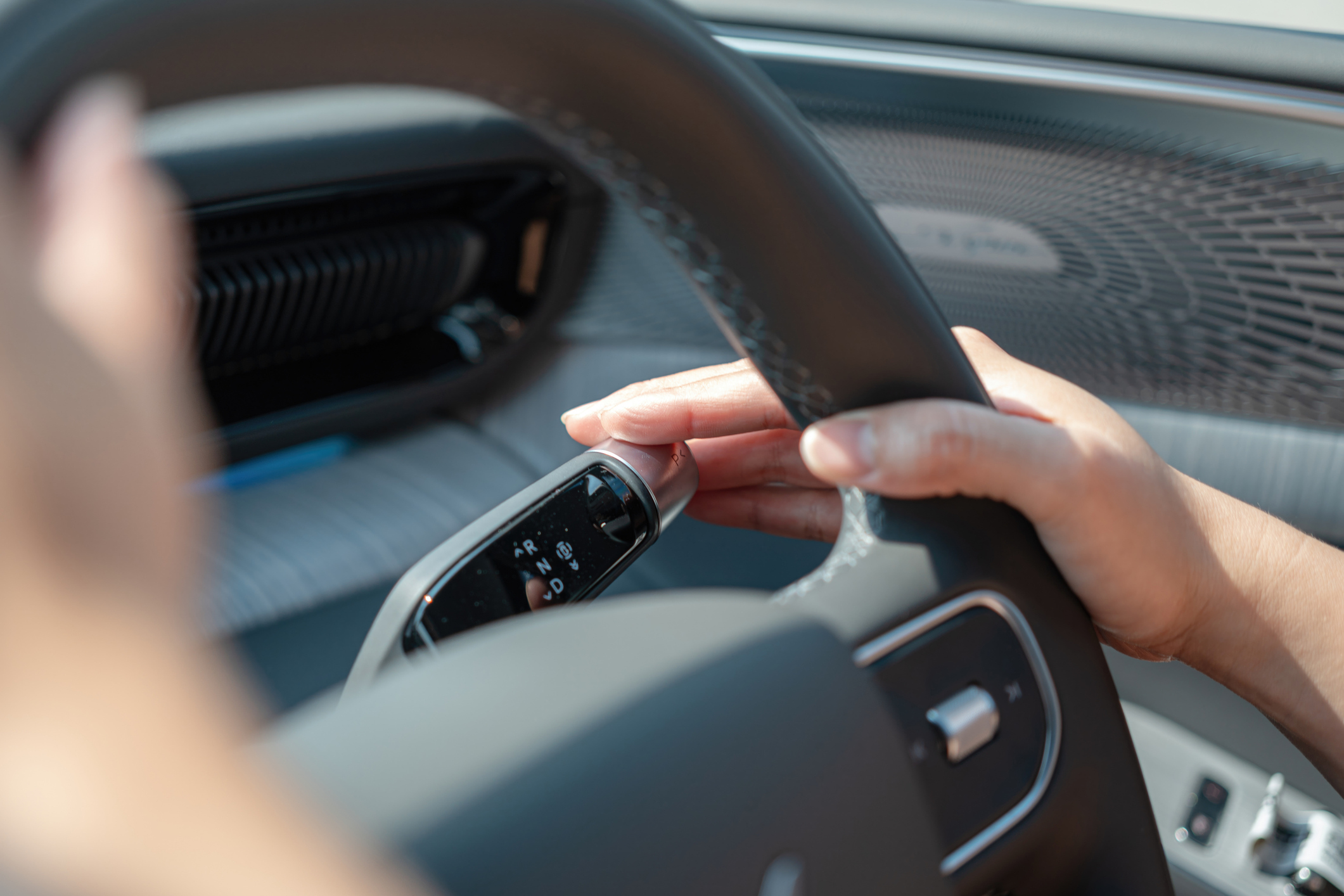
Why Does Software-Controlled Shift Feel Matter to Technicians?
Imagine a driver visiting a workshop because their Civic Hybrid’s engine speed rises during braking.
On a conventional vehicle, unexpected engine-speed changes might raise questions about transmission operation.
On a Civic equipped with S+ Shift, however, that behaviour could be part of the selected driving mode.
Before diagnosing a problem, technicians need to establish whether the vehicle is operating as designed.
A sensible diagnostic approach involves:
- Confirming the vehicle’s model, trim, and equipment.
- Checking whether S+ Shift is active.
- Noting the driving conditions when the symptom occurs.
- Reviewing diagnostic trouble codes and relevant vehicle data.
- Comparing the behaviour with Honda’s service information.
The challenge is distinguishing an intended simulated shift from genuine hesitation, abnormal vibration, or a powertrain fault. Replacing parts without understanding the control strategy could lead to an unnecessary repair.
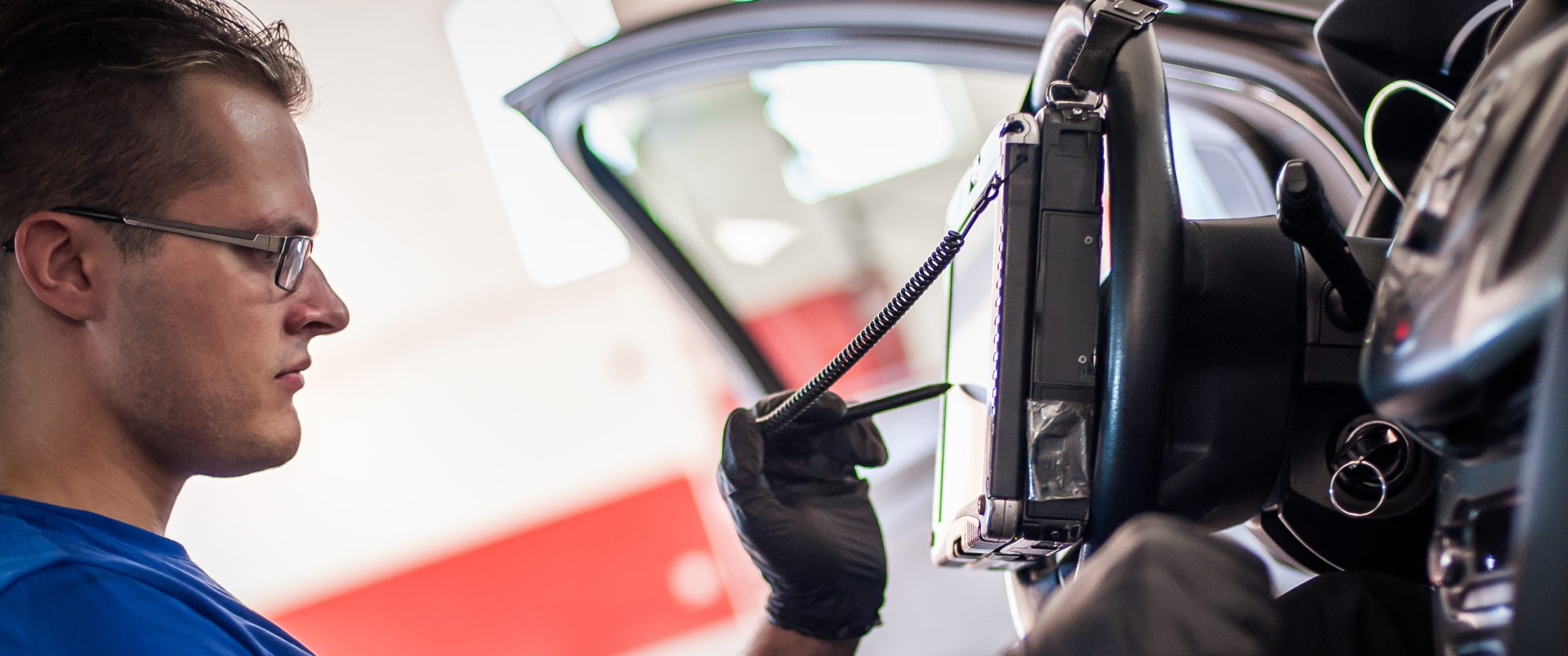
What Can Future Hybrid Technicians Learn From S+ Shift?
The Honda Civic S+ Shift system demonstrates how software can influence driving characteristics without changing the underlying transmission architecture.
It also shows why technicians need to understand the relationship between gasoline engines, electric motors, and electronic control modules.
These are important concepts for anyone entering automotive service. Through our hybrid and electrical mechanic training, students can explore the principles behind electrified powertrains and how they differ from conventional vehicle systems. Understanding these differences helps future technicians approach unfamiliar technology with a clearer diagnostic process.
Explore Automotive Training at ATC Montreal
The 2027 Honda Civic Hybrid shows how much automotive engineering now depends on electronic control systems. What feels like a mechanical gear change may actually be a carefully coordinated software response. Explore our training options to learn more about preparing for a career in automotive service.
Would you like to explore automotive training options at our automotive school?
Contact ATC Montreal for more information.
Key Takeaways
- The 2027 Honda Civic Hybrid introduces S+ Shift on select Sport Touring Hybrid models.
- Honda S+ Shift simulates gear changes without a conventional stepped automatic transmission.
- The system coordinates engine speed, electric-motor output, and sound to create shifting sensations.
- Steering-wheel paddles allow drivers to request virtual gear changes.
- Honda’s two-motor hybrid system operates differently from a traditional multi-speed automatic.
- Technicians must distinguish intentional software-controlled behaviour from genuine faults.
- Understanding electronic controls is increasingly important for diagnosing modern hybrid vehicles.
FAQ
What is Honda S+ Shift in the Civic Hybrid?
Honda S+ Shift is a software-controlled feature that simulates the sensations of gear changes. It adjusts engine speed, electric-motor output, and sound to create a more engaging driving experience without using a conventional stepped automatic transmission.
Does the Civic Hybrid have a conventional automatic transmission?
No. The Civic Hybrid uses Honda’s two-motor hybrid system. An electric motor provides propulsion during many driving conditions, while the gasoline engine can generate electricity or provide direct mechanical drive when appropriate.
How are simulated gear changes created?
The system coordinates changes in engine speed and electric-motor output to imitate upshifts and downshifts. It can also respond to steering-wheel paddle inputs and hold virtual gears during certain driving conditions.
Why do technicians need to understand software-controlled shift feel?
Because normal software-controlled behaviour can resemble symptoms associated with transmission problems. Technicians must understand the vehicle’s operating modes and electronic control strategies before determining whether a fault exists.


