
2027 Toyota Grand Highlander Woodland: What All-Terrain Tires and Added Ground Clearance Mean for Service
In Brief: 2027 Grand Highlander Woodland Edition
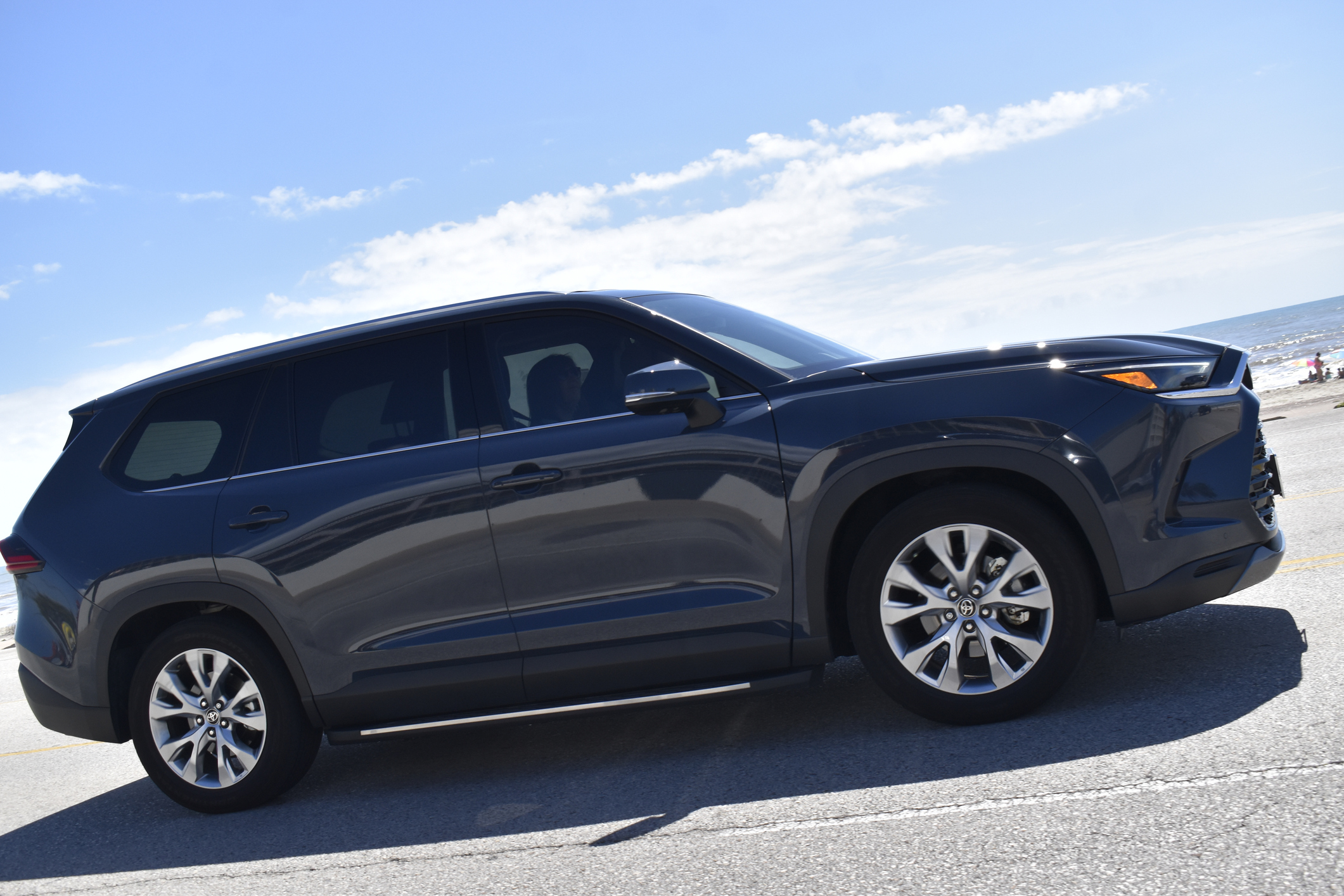
The 2027 Toyota Grand Highlander introduces a Woodland Edition with standard all-terrain tires, 18-inch matte-black alloy wheels, and approximately 12 mm of additional ground clearance. Toyota achieves the extra height through a combination of tires and taller springs. For automotive technicians, these changes highlight the importance of correct tire fitment, suspension inspection, ride-height measurements, and manufacturer-specific wheel alignment procedures.
The Grand Highlander Woodland Edition gives Toyota’s three-row SUV a more adventurous setup for 2027. Its all-terrain tires and raised ride height may seem like straightforward upgrades, but both affect the components technicians inspect when servicing wheels, tires, and suspension systems.
For students considering automotive careers, the new Woodland offers a useful example of how factory engineering changes influence routine maintenance. Understanding those differences helps technicians distinguish normal vehicle characteristics from genuine service concerns.
What’s New in the 2027 Toyota Grand Highlander Woodland Edition?
Toyota has introduced the Woodland as a new hybrid all-wheel-drive grade for 2027.
According to Toyota Canada’s October 2026 announcement, its distinguishing features include:
- 18-inch matte-black alloy wheels with all-terrain tires.
- Approximately 12 mm of additional ground clearance compared with other Grand Highlander models.
- Taller suspension springs contributing to the increased ride height.
- Standard 2.5-litre hybrid powertrain with all-wheel drive.
- Additional equipment such as a tow hitch, mud guards, and all-weather accessories.
The Grand Highlander ground clearance increase comes from the combination of its tires and taller springs, rather than a simple aftermarket lift. That distinction matters because technicians should evaluate the Grand Highlander using its own factory specifications.
How Do All-Terrain Tires Affect Service Checks?
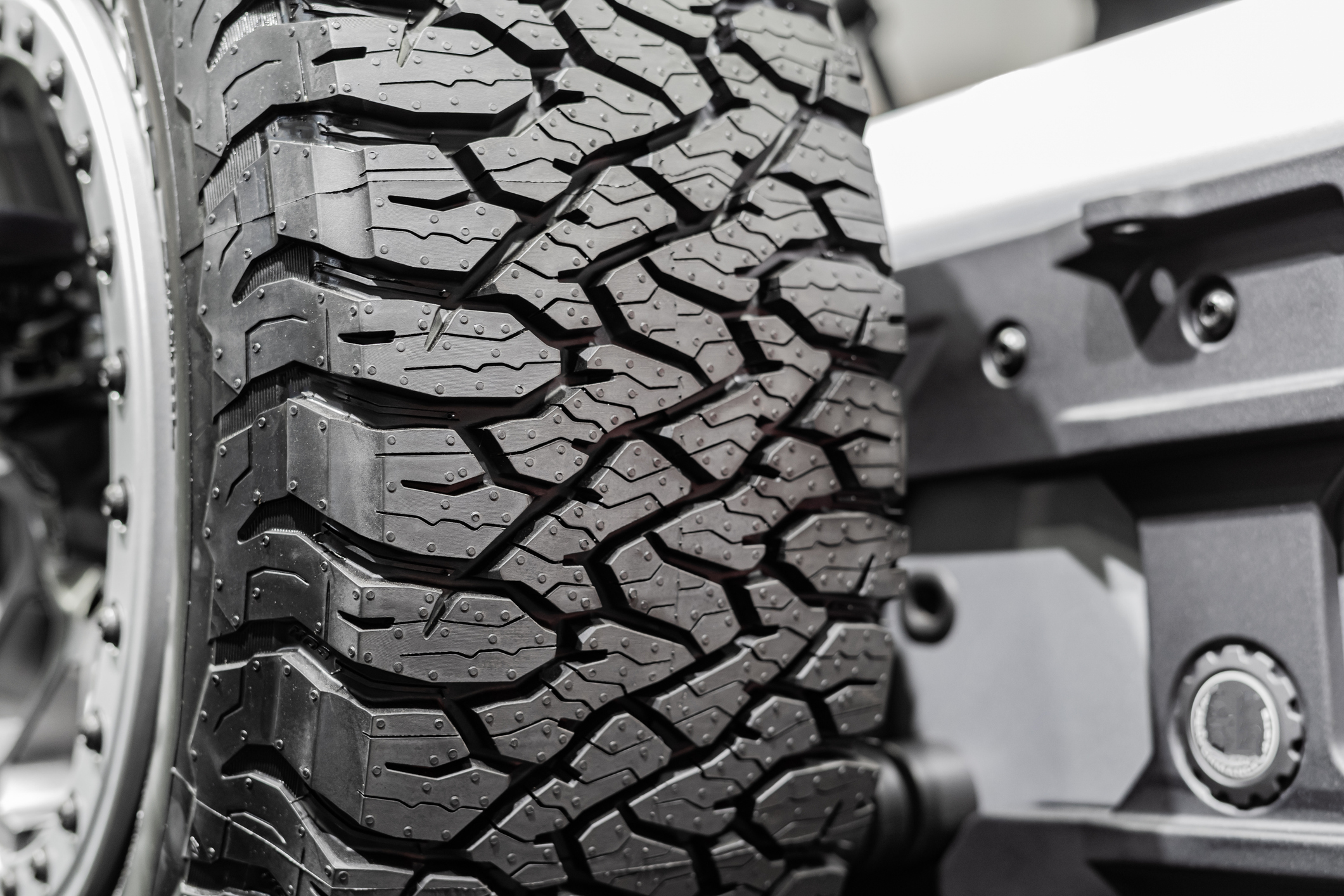
All-terrain tires are designed to provide traction across a wider variety of surfaces than typical highway-focused tires. Their tread patterns and construction may also influence road noise, steering response, rolling resistance, and ride comfort.
For technicians inspecting Grand Highlander all-terrain tires, several checks are particularly important.
| Service check | Why it matters |
|---|---|
| Tire size and load rating | Confirms the replacement meets vehicle requirements |
| Inflation pressure | Supports proper handling, tire wear, and load carrying |
| Tread condition | Helps identify uneven wear, damage, or embedded debris |
| Wheel balance | Helps diagnose vibration complaints |
| Wheel and tire clearance | Checks for contact with suspension or body components |
A driver might notice more tread noise than expected from conventional road tires. That alone does not establish a defect. However, new vibration, pulling, or irregular wear should prompt further inspection.
Technicians should use the vehicle’s tire placard and Toyota service information rather than assume that specifications from another Grand Highlander grade apply.
How Does Extra Ground Clearance Affect Suspension Checks?
The Woodland’s additional 12 mm of clearance is modest, but it demonstrates an important relationship between ride height and suspension geometry.
Suspension components operate through specific angles as the wheels move over the road. Changes in ride height can influence those angles, depending on suspension design.
When inspecting the Woodland, technicians should consider:
- Whether the vehicle sits at its specified ride height.
- Whether springs and suspension components show damage or deterioration.
- Whether the vehicle has been modified from its factory configuration.
- Whether tire wear or steering behaviour suggests an alignment concern.
A factory-engineered height increase is not automatically an alignment problem. Toyota designs the Woodland’s suspension and tire combination as part of the vehicle’s original configuration. The technician’s job is to determine whether the vehicle still meets the appropriate factory specifications.
What Wheel-Alignment Checks Follow Suspension Height Changes?
Wheel alignment describes the position and orientation of the wheels relative to the vehicle and road.
Three important measurements are:
- Camber: The inward or outward tilt of a wheel when viewed from the front.
- Caster: The steering-axis angle when viewed from the side.
- Toe: Whether the wheels point inward or outward when viewed from above.
Incorrect alignment can contribute to uneven tire wear, steering pull, and handling complaints. If a vehicle’s suspension height has changed because of repairs, modifications, or component deterioration, an alignment inspection may be necessary.
For the factory-equipped Grand Highlander Woodland Edition, technicians should select the correct model and grade specifications before taking measurements. They should also inspect tire pressures, suspension condition, and steering components before attempting adjustments.
Can All-Terrain Tires Change Ride and Handling?
Yes. All-terrain tires can behave differently from highway-oriented tires, although the effects depend on their specific construction and tread design.
Drivers may notice differences in:
- Road noise at certain speeds.
- Steering response on paved roads.
- Ride firmness over uneven surfaces.
- Traction on loose or unpaved surfaces.
- Rolling resistance and fuel consumption.
These characteristics are not necessarily faults.
A technician investigating a complaint should establish whether the behaviour is consistent with the tire’s design or points to a mechanical problem. For example, a steady tread hum may be normal, while a vibration that increases with speed could indicate a wheel-balance issue.
What Should Technicians Check After Tire or Suspension Work?
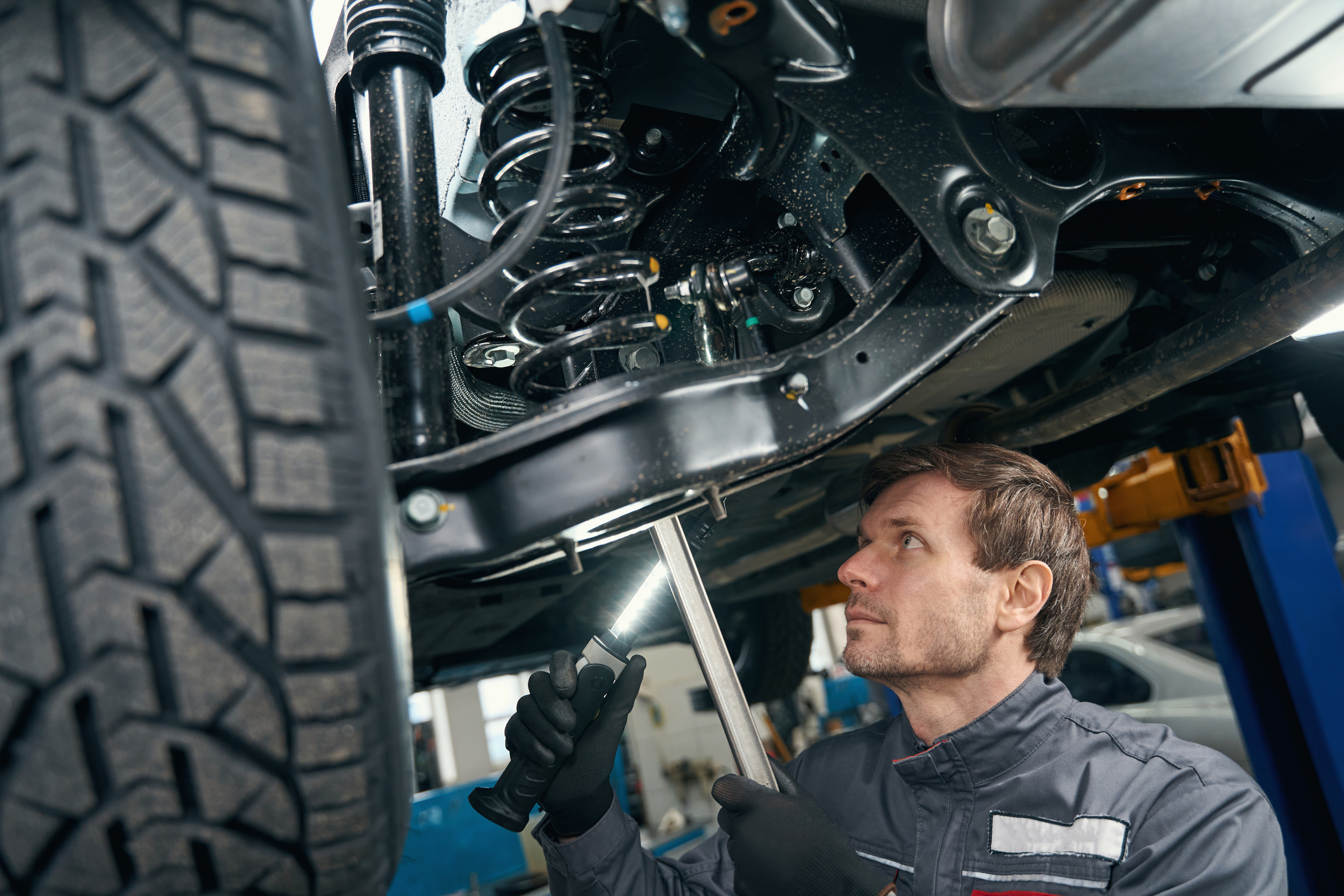
Service work involving wheels, tires, or suspension components requires a careful final inspection.
A practical checklist includes:
- Confirming replacement tires match the approved specifications.
- Checking inflation pressures and tire pressure monitoring system requirements.
- Inspecting wheel fasteners and applying the specified tightening procedure.
- Checking tire clearance through the relevant steering and suspension range.
- Measuring alignment when required by the repair procedure or symptoms.
- Completing any manufacturer-required calibration or verification steps.
- Road-testing the vehicle where appropriate.
On a hybrid SUV, technicians must also follow relevant safety procedures when working near electrical components. The exact service sequence depends on the repair and Toyota’s current technical information.
Why Does the Woodland Edition Matter for Future Automotive Technicians?
The 2027 Toyota Grand Highlander illustrates how tire selection and suspension design work together. A technician cannot assess ride height, handling, or tire wear by looking at one component in isolation.
A steering complaint might involve tire pressure, tread characteristics, alignment, or worn suspension parts. Similarly, an incorrect replacement tire could affect vehicle behaviour even when the suspension itself is functioning properly.
These connections are important for students in automotive training. Learning to approach service complaints systematically helps future technicians understand why correct specifications and thorough inspections matter.
Explore Automotive Training at ATC Toronto
Vehicles such as the Grand Highlander Woodland show how even modest engineering changes can influence maintenance and diagnosis.
At our auto mechanic school, we help students build foundational knowledge of automotive systems, inspection procedures, and troubleshooting. If you’re considering auto careers, explore our training options and discover how automotive education can prepare you to understand evolving vehicle technology.
Would you like to explore a wide range of auto careers?
Contact ATC Toronto for more information.
Key Takeaways
- The Grand Highlander Woodland Edition joins Toyota’s lineup for 2027 as a hybrid AWD model.
- It features standard all-terrain tires on 18-inch matte-black alloy wheels.
- Its additional 12 mm of ground clearance comes from taller springs and its tire configuration.
- All-terrain tires may influence road noise, handling, rolling resistance, and tire wear.
- Technicians should confirm tire size, load rating, inflation pressure, and wheel clearance.
- Ride-height changes can affect suspension geometry, but factory-engineered changes are not automatically defects.
- Alignment measurements must be compared with the correct manufacturer specifications.
- Effective diagnosis considers tires, suspension, steering, and vehicle operating conditions together.
FAQ
What is new in the 2027 Grand Highlander Woodland?
The 2027 Toyota Grand Highlander adds a Woodland Edition featuring standard all-terrain tires, 18-inch matte-black wheels, approximately 12 mm of additional ground clearance, taller springs, and a hybrid AWD powertrain. It also includes adventure-oriented equipment such as a tow hitch and all-weather accessories.
How does extra ground clearance affect suspension checks?
Increased ride height can influence suspension operating angles, depending on the vehicle’s design. Technicians inspect springs, suspension components, and ride height, then compare measurements with the correct factory specifications. The Woodland’s original suspension configuration should not be treated as an aftermarket modification.
Can all-terrain tires change ride and handling?
Yes. All-terrain tires may produce different road noise, steering response, ride characteristics, and rolling resistance compared with highway tires. Their behaviour depends on tire construction and tread design. Technicians investigate unusual symptoms rather than assuming every difference indicates a defect.
What wheel-alignment checks follow suspension height changes?
Technicians may check camber, caster, and toe after suspension height changes, particularly when required by manufacturer procedures or when symptoms suggest misalignment. They should also inspect tire pressures, steering components, and suspension condition before making adjustments.


