
2027 GM Small-Block V8: Dual Injection, Variable Oil Pumps, and What New Techs Should Know
In Brief: 2027 GM Small-Block V8: Dual Injection and Oil-Pump Tech
The GM Gen 6 V8 introduces dual injection alongside a continuously variable oil pump, an on-engine oil cooler, and revised oil passages. GM has confirmed 5.7L and 6.6L versions for its 2027 Chevrolet Silverado 1500 and GMC Sierra 1500. These technologies highlight why new automotive technicians need to understand fuel delivery, lubrication, electronic controls, and systematic engine diagnosis.
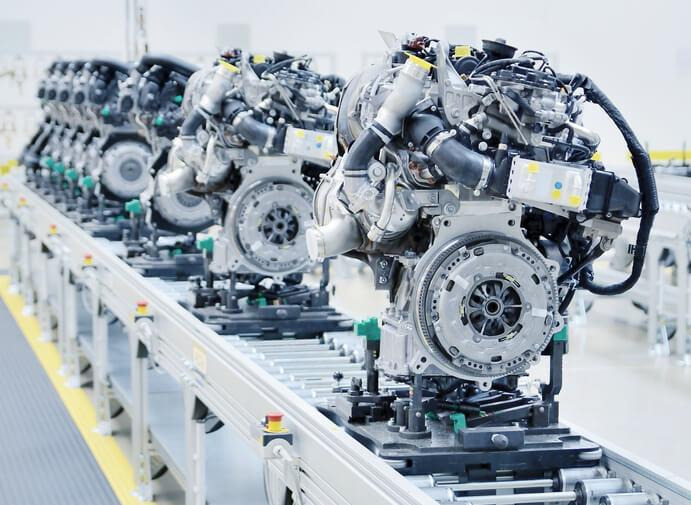
The GM Gen 6 V8 brings some significant changes to an engine family that has powered vehicles for more than 70 years. GM’s latest small-block design combines two fuel injection methods with a lubrication system that can adjust oil delivery as engine conditions change. These developments promise improved control over performance, efficiency, and engine protection.
For aspiring automotive technicians, the 2027 GM small-block V8 offers an interesting look at how traditional gasoline engines continue to evolve. Its familiar V8 configuration now works alongside more sophisticated fuel management and lubrication controls, making it increasingly valuable to understand both mechanical components and electronic systems.
What’s New in GM’s Sixth-Generation Small-Block V8?
GM’s sixth-generation small-block V8 introduces significant updates to fuel delivery, combustion, airflow, and lubrication. Designed for the 2027 Chevrolet Silverado 1500 and GMC Sierra 1500, the new engine family includes two gasoline V8 options:
- 5.7L V8 (L76): Produces 402 horsepower and 428 lb-ft of torque.
- 6.6L V8 (L78): Produces 481 horsepower and 501 lb-ft of torque.
Although both engines retain the familiar small-block V8 configuration, several important changes distinguish them from previous generations.
One of the biggest developments is dual fuel injection, which combines port fuel injection and direct injection to give the engine greater flexibility in managing fuel delivery. GM has also introduced higher compression ratios, redesigned intake manifolds, and larger throttle openings to improve combustion and airflow.
The lubrication system receives substantial attention, too. A continuously variable oil pump adjusts oil delivery according to engine requirements, while an integrated oil cooler and revised oil passages help manage oil temperature and pressure.
Together, these changes illustrate how GM is refining conventional gasoline engine technology through more sophisticated mechanical systems and electronic controls. For aspiring technicians, the GM Gen 6 V8 provides a useful example of why modern engine diagnostics require an understanding of how fuel, airflow, lubrication, and electronic management systems work together.
How Does Dual Fuel Injection Work in the GM Gen 6 V8?
A dual injection engine uses two fuel delivery methods: port fuel injection and gasoline direct injection.
Port injectors spray fuel into the intake ports, where it mixes with incoming air before entering the combustion chamber. Direct injectors deliver fuel straight into the combustion chamber under much higher pressure.
The distinction between port injection vs direct injection becomes clearer when comparing their functions:
| Port fuel injection | Direct fuel injection |
|---|---|
| Delivers fuel into the intake port | Delivers fuel into the combustion chamber |
| Uses a comparatively lower-pressure fuel supply | Requires high-pressure fuel delivery |
| Allows fuel to mix with air before entering the cylinder | Supports precise fuel delivery within the cylinder |
Combining both systems allows the engine controller to select or blend injection strategies according to operating conditions.
GM says its dual-injection arrangement expands opportunities to optimize power, fuel efficiency, and emissions. However, the company has not published every detail of the control strategy used in each operating condition.
Why Does Combining Port and Direct Injection Matter for Technicians?
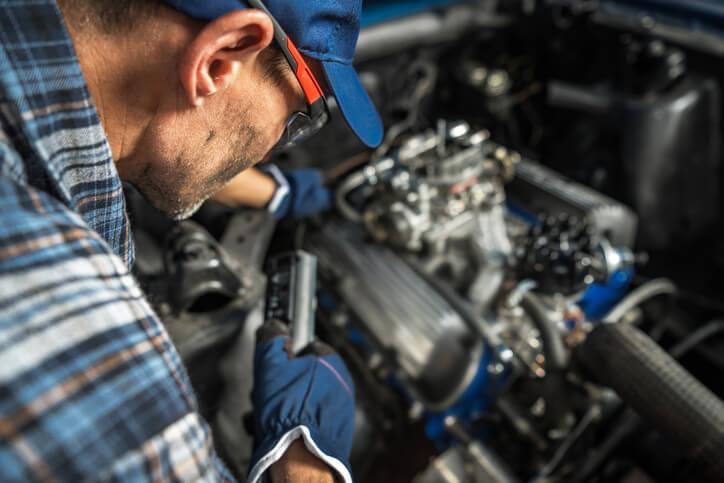
Two injection systems create additional diagnostic possibilities. A rough-running engine, hesitation, or fuel-related fault could involve the low-pressure supply, high-pressure circuit, injectors, sensors, or electronic controls.
Technicians need to identify which components are operating and how the engine management system controls them before replacing parts. Diagnostic work may involve reviewing trouble codes, monitoring fuel pressure data, checking electrical circuits, and following manufacturer-specific testing procedures.
High-pressure gasoline systems also require strict safety precautions before inspection or repair. These concepts demonstrate why automotive training increasingly involves understanding how electronic controls interact with mechanical engine components.
What Does a Variable Oil Pump Do?
A conventional fixed-displacement oil pump delivers a volume of oil largely related to engine speed. Some of that flow may be unnecessary under certain operating conditions, creating additional pumping losses.
A variable oil pump can adjust its output to better match engine lubrication requirements. GM’s sixth-generation V8 uses a continuously variable oil pump, together with an on-engine oil cooler and revised oil feed locations designed to improve oil pressure consistency.
By managing oil delivery more precisely, the system can help reduce unnecessary pumping work while maintaining appropriate lubrication. For technicians, this means an oil-pressure complaint may involve more than oil level, viscosity, or a worn mechanical pump. Depending on the system design, control components and operating conditions may also need investigation.
What Should New Technicians Know About Engine Lubrication Diagnostics?
Modern lubrication systems require technicians to understand how oil pressure, temperature, engine speed, and operating conditions relate to one another.
A practical diagnostic approach includes:
- Confirm the complaint: Identify when low oil pressure, unusual noise, or a warning occurs.
- Check basic conditions: Verify oil level, condition, and the manufacturer’s required oil specification.
- Review electronic information: Examine relevant diagnostic codes and available sensor data.
- Test system operation: Follow approved procedures for checking oil pressure and associated components.
- Verify the repair: Confirm that the system operates within manufacturer specifications.
The important lesson is to avoid treating every oil-pressure concern as an automatic pump replacement.
Students at our auto mechanic school can see how these diagnostic principles apply across different engine designs.
Why Is the 2027 GM V8 Relevant to Future Auto Careers?
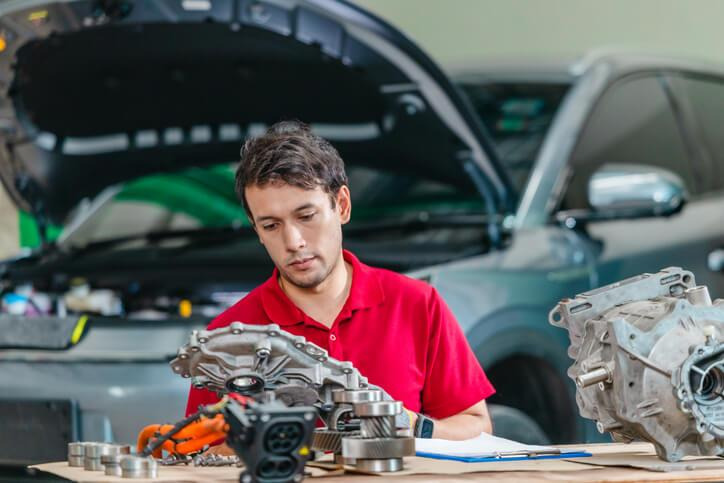
GM’s latest V8 shows that internal combustion technology continues to develop alongside electric and hybrid powertrains. Technicians entering the industry may encounter sophisticated fuel injection, advanced lubrication controls, and increasingly integrated powertrain controls.
For students considering auto careers, understanding these technologies provides a useful foundation for troubleshooting modern gasoline engines.
The same diagnostic habits remain important regardless of manufacturer: understand system operation, gather evidence, consult service information, and verify the cause before making repairs.
Explore Automotive Training at ATC Toronto
The sixth-generation GM small-block V8 illustrates how modern engine servicing combines mechanical knowledge with electronic diagnostics. Explore Automotive Training Centre Toronto’s automotive training opportunities to learn more about the systems, service procedures, and troubleshooting skills involved in maintaining today’s vehicles.
Are you looking for comprehensive automotive training?
Contact ATC Toronto for more information.
Key Takeaways
- The GM Gen 6 V8 introduces new 5.7L and 6.6L engines for the 2027 Chevrolet Silverado 1500 and GMC Sierra 1500.
- GM’s dual-injection system combines port and direct fuel injection to expand control over engine performance, efficiency, and emissions.
- Port injection delivers fuel into the intake port, while direct injection delivers fuel into the combustion chamber.
- A continuously variable oil pump adjusts oil delivery to help reduce unnecessary pumping losses.
- New technicians need to understand fuel pressure systems, lubrication controls, electronic diagnostics, and manufacturer service procedures.
- Modern gasoline engine technology continues to create opportunities for technicians with strong mechanical and electrical diagnostic skills.
FAQ
What is dual fuel injection in a gasoline engine?
Dual fuel injection combines port fuel injection and direct fuel injection in the same engine. Port injectors deliver fuel into the intake ports, while direct injectors spray fuel into the combustion chambers. An electronic control system manages fuel delivery according to the engine’s operating requirements.
Why combine direct injection with port injection?
Combining both systems gives engineers greater flexibility in managing combustion. Direct injection supports precise in-cylinder fuel delivery, while port injection provides another way to prepare the air-fuel mixture. GM says its sixth-generation V8 uses both systems to expand opportunities for optimizing power, efficiency, and emissions.
How does a variable oil pump reduce engine losses?
A variable oil pump adjusts its output according to lubrication requirements instead of continuously delivering the same volume per revolution. This can reduce unnecessary pumping work under conditions where maximum oil delivery is not required, helping improve engine efficiency.
What should technicians know about the next-generation GM V8?
Technicians should understand the differences between port and direct injection, the operation of high-pressure fuel systems, and the principles of variable oil delivery. They should also be comfortable interpreting diagnostic data, following manufacturer procedures, and distinguishing mechanical problems from electronic control faults.


