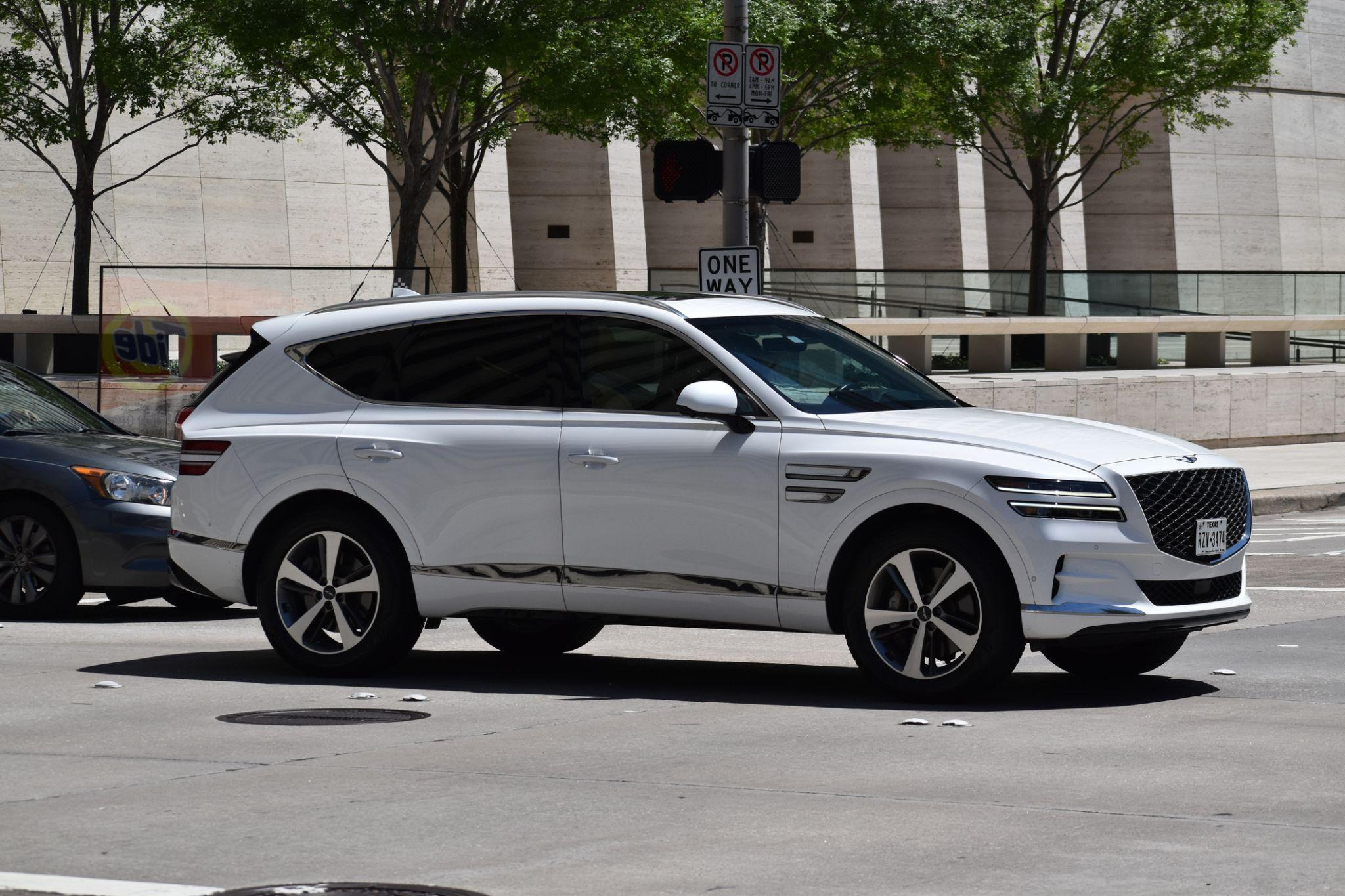
2027 Genesis GV90: New EV Systems Future Hybrid Technicians Should Know
In Brief: 2027 Genesis GV90 New Systems
The 2027 Genesis GV90 gives future technicians a glimpse at the increasing complexity of EV service. Its technology includes a 123.5-kWh high-voltage battery, Wireless Battery Management System, front and rear electric motors producing a combined 490 kW and 800 Nm, Dual E-LSD, 350-kW fast-charging capability, and a New Power Control System. Genesis Canada confirms the all-electric flagship SUV is coming to Canada in 2027.
Electric vehicles are changing more than the source of propulsion. They are also changing the systems automotive technicians need to understand.
The 2027 Genesis GV90 is a useful example. Unveiled in August 2026, Genesis’s first full-size flagship SUV combines a large high-voltage battery with dual motors, wireless battery management, sophisticated power control, and electronically managed chassis technology.
For students considering hybrid and electrical mechanic training, those systems illustrate how electrical knowledge and traditional automotive diagnosis increasingly overlap.
What Battery Does the 2027 Genesis GV90 Use?
The GV90 has a 123.5-kWh high-voltage battery, currently the largest-capacity battery used in a Hyundai Motor Group EV. The Genesis GV90 battery uses high-density, high-output cells designed to improve energy density, output, and fast-charging performance. It is also paired with a Wireless Battery Management System (WBMS), which Genesis says improves packaging efficiency by reducing conventional battery-management wiring.
Genesis estimates approximately 500 km of range for the seven-seat model based on internal R&D testing. With a 350-kW DC fast charger, it says the battery can charge from 10% to 80% in approximately 22 minutes. These remain manufacturer estimates rather than final Canadian regulatory ratings.
For future technicians, the Genesis GV90 123.5 kWh specification is only part of the story. Battery service also involves understanding high-voltage isolation, thermal management, state-of-charge information, battery-management data, diagnostic procedures, and strict electrical-safety practices.

What Is the Genesis eMP Platform?
The Electric Mobility Prime, or eMP, platform is an EV architecture developed specifically for Genesis flagship vehicles, with the GV90 becoming its first production application.
Genesis says the architecture was designed around the requirements of a large luxury EV, including cabin space, driving performance, and ride comfort. The GV90 has a 3,245-mm wheelbase, flat cabin floor, and new aluminum frame designed to increase rigidity while reducing weight.
The important lesson for students in automotive training in Montreal is that modern EV platforms integrate far more than a battery and motors.
Electrical architecture, structural design, battery packaging, suspension, thermal systems, charging hardware, networking, and software all need to work together. Diagnosing a modern EV, therefore, increasingly requires technicians to understand interactions between systems rather than viewing components in isolation.
What Powertrain Technology Is in the Genesis GV90?
The Genesis GV90 powertrain combines front and rear electric motors with a maximum combined output of 490 kW and 800 Nm of torque. The front motor produces up to 240 kW and 350 Nm, while the rear produces up to 250 kW and 450 Nm.
Genesis has also introduced its first Dual Electronic Limited Slip Differential system. Rather than relying only on conventional mechanical torque distribution, the technology manages the motors’ output according to driving conditions. The vehicle additionally uses a multi-chamber air suspension.
Another notable feature is the New Power Control System. Genesis says it integrates the vehicle’s major power-conversion functions and improves efficiency and charging performance while reducing the system’s size and weight.
For students at our auto mechanic school, systems like these demonstrate why EV diagnosis can involve scan data, electronic controls, communication networks, power electronics, and high-voltage components alongside familiar mechanical systems.
When Is the Genesis GV90 Coming to Canada?
Genesis Canada officially states that the GV90 is coming to Canada in 2027. A more specific Canadian on-sale date has not yet been published on the brand’s current GV90 page.
The Canadian announcement identifies two main versions: the standard GV90 with conventional swing doors and the GV90 Neolun with its unusual hidden B-pillar coach-door system.
That distinction is worth making because information from other markets does not necessarily describe the eventual Genesis GV90 Canada specifications. Equipment, configurations, ratings, and timing can vary by country.
For technicians, however, the broader direction is already clear. As EV architectures become more sophisticated, working on them increasingly means understanding how high-voltage batteries, motors, power electronics, charging systems, software, and electronically controlled chassis systems interact.
What Can Future Hybrid and EV Technicians Learn From the GV90?
The GV90 shows just how quickly electrified-vehicle technology is developing.
Its wireless battery-management architecture alone introduces a different approach to monitoring a large battery pack. Dual motors and electronically controlled torque distribution add another diagnostic layer. The integrated power-control system and 350-kW charging capability bring power electronics and charging performance into the picture.
For future hybrid and EV technicians, that reinforces several priorities:
- Understanding high-voltage safety procedures
- Reading wiring diagrams and technical information
- Interpreting diagnostic trouble codes and scan data
- Understanding battery-management systems
- Learning electric-motor and power-electronics fundamentals
- Recognizing interactions between electrical and mechanical systems
The technology may change, but the technician’s fundamental task remains familiar: understand how the system should operate, gather evidence, and diagnose the cause when it does not.
Are you looking for comprehensive hybrid and electrical mechanic training?
Contact ATC Montreal for more information.
Key Takeaways
- The 2027 Genesis GV90 is Genesis’s first full-size flagship electric SUV.
- Its 123.5-kWh battery is the largest-capacity EV battery announced within Hyundai Motor Group.
- A Wireless Battery Management System helps reduce conventional battery-management wiring.
- The Genesis eMP platform is an EV architecture developed specifically for Genesis flagship vehicles.
- Front and rear motors deliver up to 490 kW and 800 Nm combined.
- Technologies include Dual E-LSD, multi-chamber air suspension, 350-kW fast charging, and a New Power Control System.
- Genesis officially confirms the GV90 is coming to Canada in 2027, although a specific Canadian launch date has not yet been announced.
FAQ
What battery does the 2027 Genesis GV90 use?
It uses a 123.5-kWh high-voltage battery with high-density, high-output cells and a Wireless Battery Management System. Genesis says it is the largest-capacity EV battery currently used by Hyundai Motor Group.
What is the Genesis eMP platform?
Electric Mobility Prime, or eMP, is an EV architecture developed specifically for Genesis flagship vehicles. The GV90 is its first production application.
What powertrain technology is in the Genesis GV90?
The GV90 uses front and rear electric motors producing up to 490 kW and 800 Nm combined, alongside technologies including Dual E-LSD and a New Power Control System.
When is the Genesis GV90 coming to Canada?
Genesis Canada confirms that the GV90 is coming in 2027. As of September 2026, the company has not published a more specific Canadian on-sale date on its GV90 page.