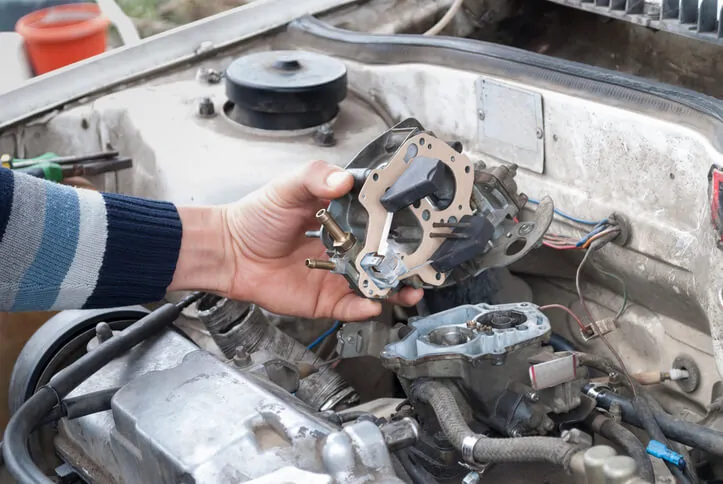
Engine Chokes on Older Cars: What New Mechanics Can Learn
TL;DR
An engine choke may seem like outdated technology, but it teaches valuable lessons about fuel delivery, cold starts, and engine performance. Understanding what a choke does helps future technicians learn how carbureted engines operated before fuel injection became standard. Even though modern vehicles no longer use chokes, studying these systems helps students build a stronger understanding of engine fundamentals.
Today’s automotive students spend much of their training learning about fuel injection systems, sensors, and computerized engine controls. However, some of the best lessons about engine operation come from older technologies.
The engine choke is a perfect example. While most modern vehicles no longer use one, understanding how it worked helps explain important concepts that still apply to today’s engines. For students at our auto mechanic school in Surrey, learning about older systems can provide valuable insight into how engines manage air and fuel under different operating conditions. This blog post explains the purpose of engine chokes and what new mechanics can learn from them.
What Does a Choke Do in a Car?
One of the most common questions automotive students ask is “What does a choke do?”
A choke is a device used on carbureted engines to restrict airflow during startup. When an engine is cold, fuel does not vaporize as efficiently, making it harder for the engine to start. By limiting the amount of incoming air, the choke creates a richer fuel mixture that helps the engine ignite more easily.
As the engine warms up, the choke gradually opens, allowing the air-fuel mixture to return to normal. Whether it was a manual control operated by the driver or an automatic system controlled by engine temperature, the choke in a car played an important role in cold-weather drivability. Students enrolled in our automotive service technician program often discover that understanding older technologies improves their ability to diagnose newer systems.
Why Did Older Engines Use Chokes?
Before electronic fuel injection systems became common, carburetors were responsible for mixing air and fuel. While effective, carburetors could not automatically adjust to changing temperatures as precisely as modern engine management systems.
This is why many older vehicles relied on an engine choke. Without it, cold engines often struggled to start, idled poorly, or stalled shortly after startup.
As budding mechanics at our auto mechanic school in Surrey learn, the choke provided a simple mechanical solution to a common problem. Enriching the fuel mixture during cold starts, it helped ensure smoother operation until the engine reached normal operating temperature.
Although modern vehicles achieve the same result electronically, the underlying principle remains the same: cold engines require different fuel management strategies than warm engines.
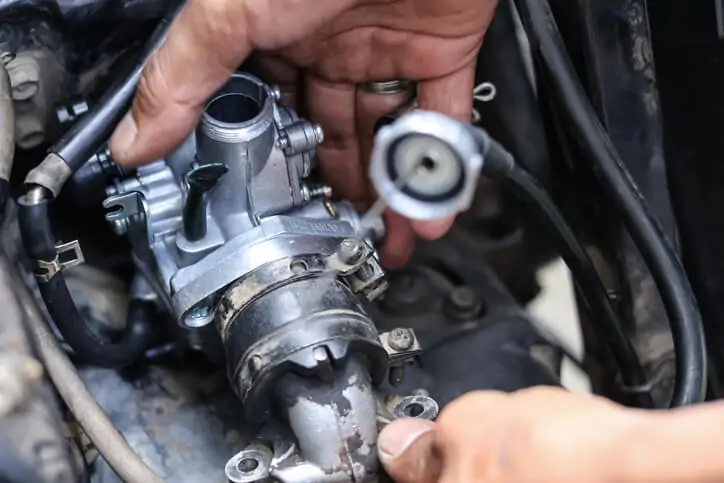
How Is a Choke Related to Carburetor Operation?
What is the carburetor? To understand the choke, students first need to understand this. A carburetor is a mechanical device that mixes fuel and air before delivering the mixture to the engine. The choke works directly within this system by controlling airflow during startup.
When the choke closes, less air enters the carburetor. This increases the fuel-to-air ratio and creates the richer mixture needed for cold operation. Once the engine warms up, the choke opens and normal carburetor operation resumes.
Learning how a choke vehicle system functions helps students understand the relationship between airflow, fuel delivery, and engine performance—concepts that remain important even on today’s fuel-injected vehicles.

Why Should New Mechanics Understand Older Vehicle Systems?
Many technicians will eventually encounter classic cars, collector vehicles, motorcycles, lawn equipment, or small engines that still use carburetors and chokes.
More importantly, older systems help explain the “why” behind modern technology. Fuel injection systems may be more sophisticated, but they still manage air-fuel mixtures, cold starts, and engine performance based on the same principles.
A strong foundation in engine fundamentals makes it easier to understand how today’s vehicles operate.
Are you looking for a comprehensive auto mechanic course?
Contact ATC Surrey for more information.
Key Takeaways
- An engine choke helps carbureted engines start more easily when cold.
- Understanding what a choke does helps explain fuel and air management principles.
- Older vehicles relied on chokes because carburetors could not automatically adjust fuel mixtures.
- Learning what the carburetor is provides valuable insight into engine operation.
- Studying older technologies helps technicians better understand modern vehicle systems.
FAQ
What does a choke do in a car?
A choke restricts airflow during cold starts, creating a richer fuel mixture that helps the engine start and run properly.
Why did older engines use chokes?
Older carbureted engines used chokes because fuel vaporization is less efficient when engines are cold, requiring a richer mixture during startup.
How is a choke related to carburetor operation?
The choke works within the carburetor by controlling airflow and helping create the proper air-fuel mixture for cold starts.
Why should new mechanics understand older vehicle systems?
Understanding older systems strengthens engine knowledge and helps technicians better understand the principles behind modern fuel injection technology.